

Contact Us
lf you have any queries, get in touch today! Don't hesitate, We try to take the extra step forour customer satisfaction.

Hey there, I’m Steve!
I’m the sales manager of exnan medical silicone. I have been in this field for more than ten years. If you are looking for custom-made silicone rubber products, feel free to ask me any questions.
"
Our certificate
Possess 800 square meters of Class 10,000 dust-free workshop, Passed ISO9001:2015 quality management system certification and ISO13485:2016 medical device quality management system, and its products have obtained multiple biocompatibility tests, US FDA and EU LFGB certifications.
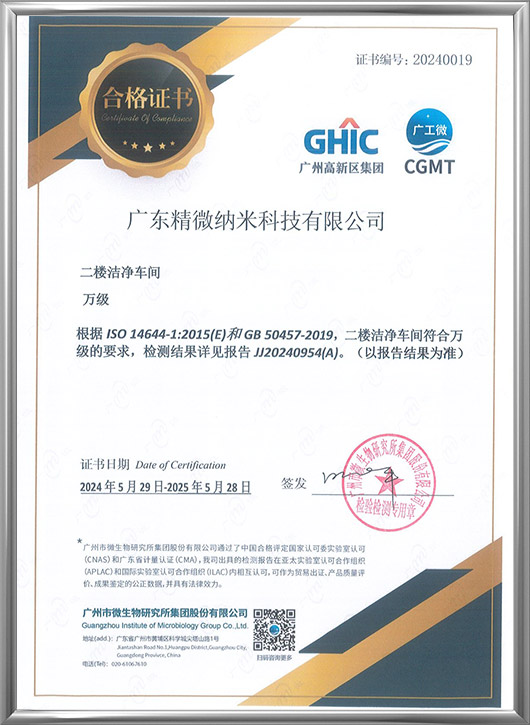
Class 10,000 cleanroom certification
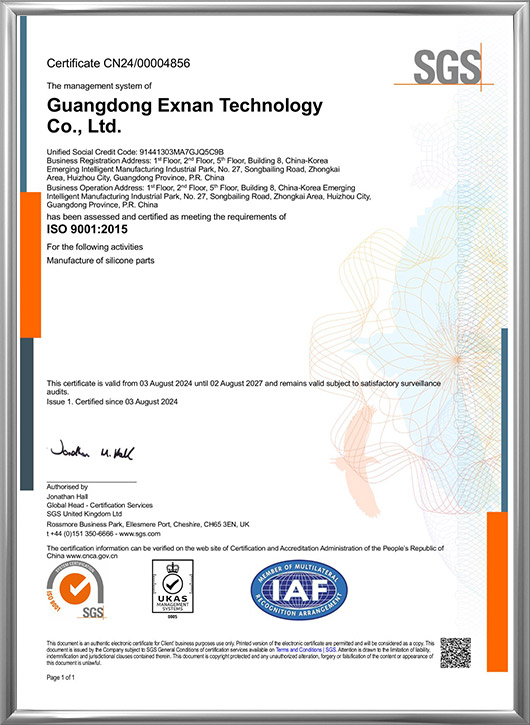
ISO 9001:2015
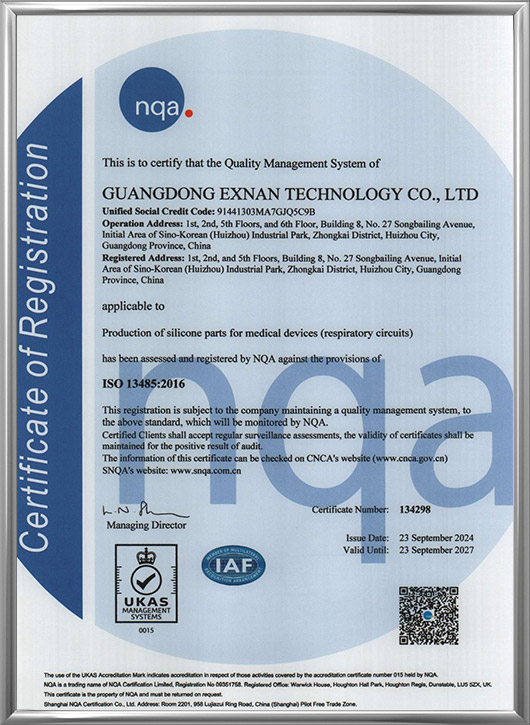
ISO 13485:2016
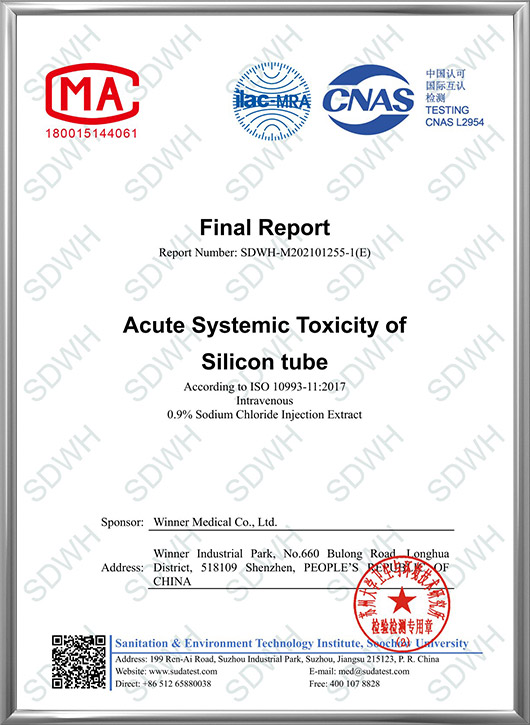
ISO 10993-11:2017 Tail vein injection
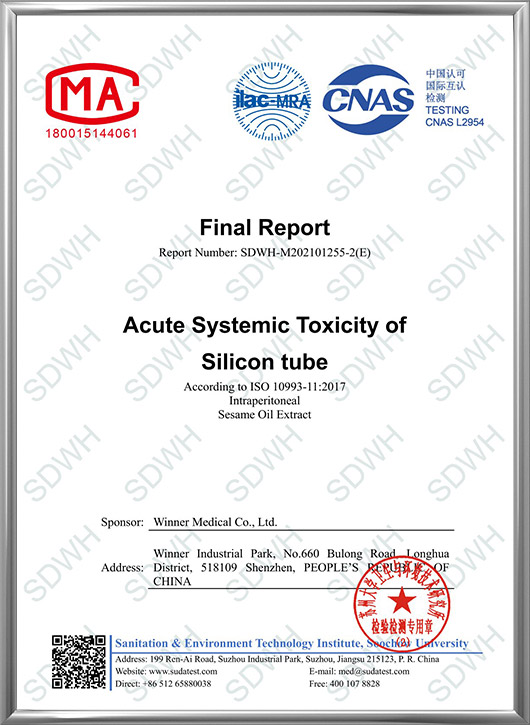
ISO 10993-11:2017 Intraperitoneal injection
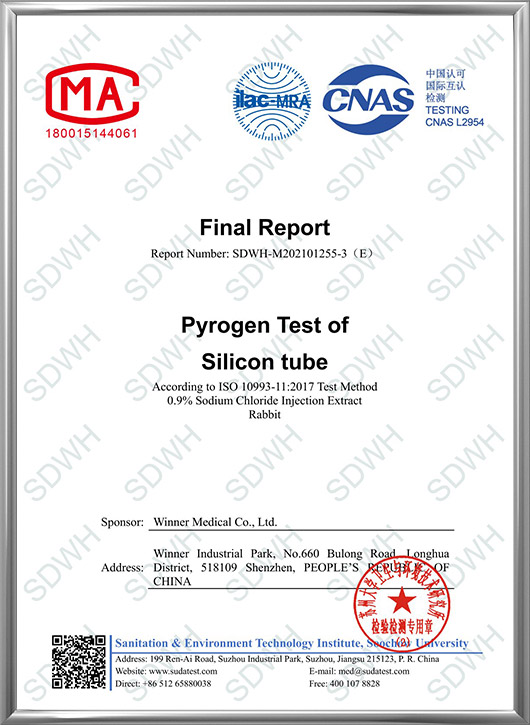
ISO 10993-11:2017 Pyrogens
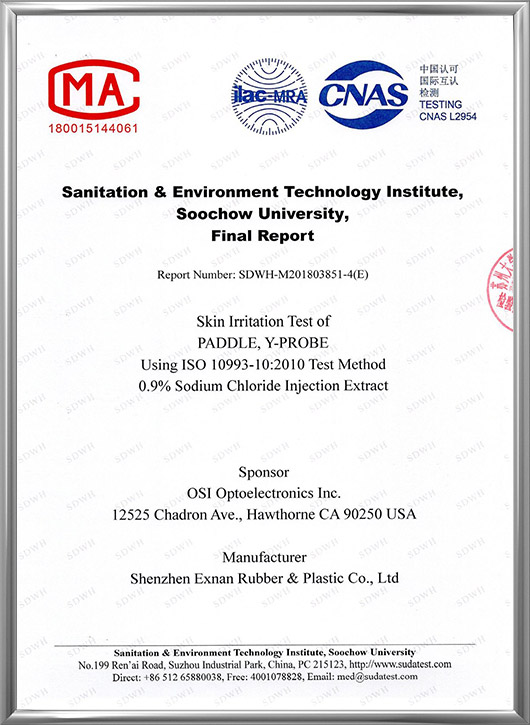
Skin irritation test for extract of 0.9% sodium chloride injection
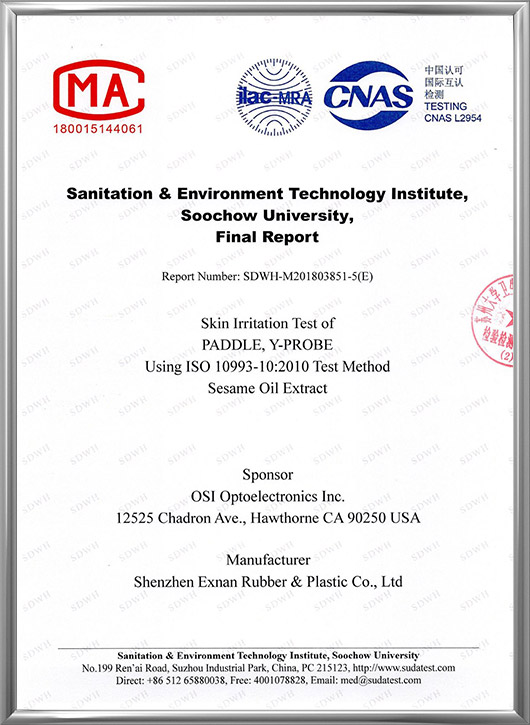
Skin irritation test for sesame oil extraction
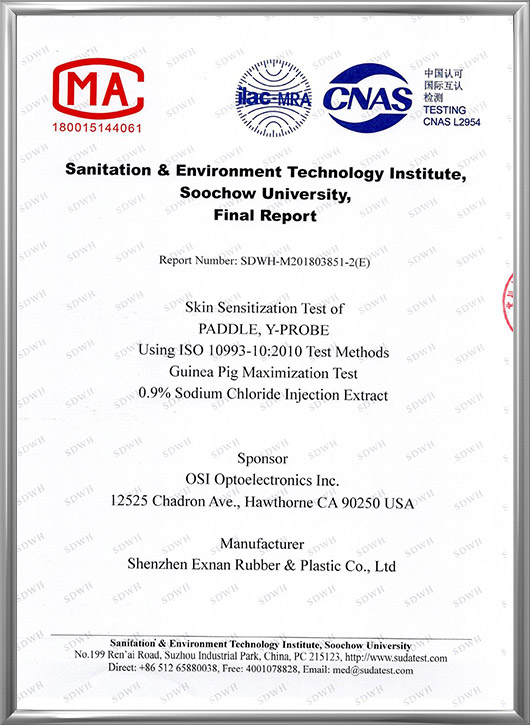
Skin sensitization test in guinea pigs using the maximization method with 0.9% sodium chloride injec
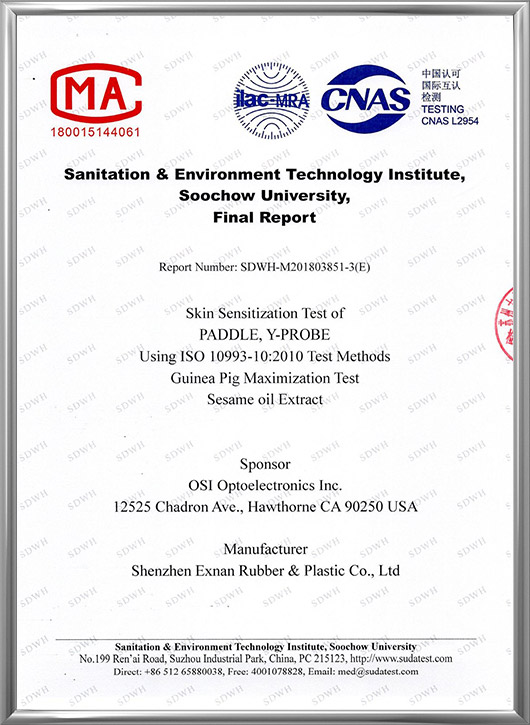
Skin sensitization test in guinea pigs:maximization method with sesame oil extraction
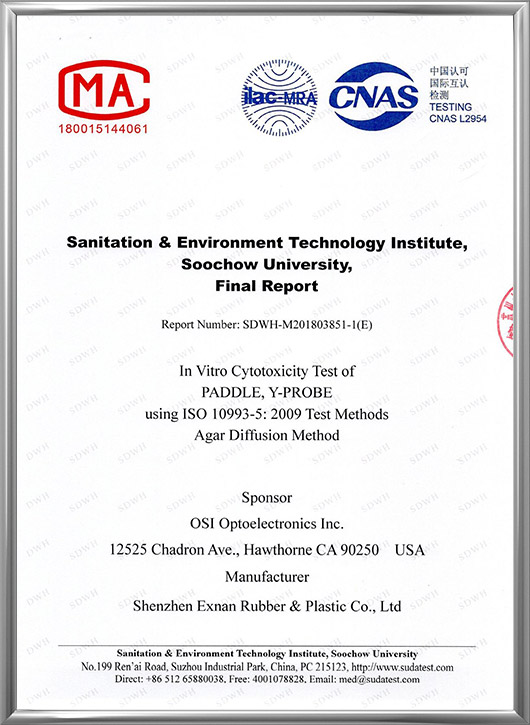
Cell toxicity test:agar diffusion method
Cooperating customers
Till now, Exnan products has been exports 35 countries, and more than 500 Medical equipment factory, health care companies, hospitals, clinics use our products, and win good reputation.



















New
Our silicone accessories meet international medical standards through strict quality control.
Ensure patient safety with our premium products. Explore our catalog today!
News
Our silicone accessories meet international medical standards through strict quality control.
Ensure patient safety with our premium products. Explore our catalog today!
Exploring the Diverse Applications of Medical Silicone in Biomedical Fields
Time: 2024-10-29 16:30:00
Author: Guangdong Exnan Technology Co.,Ltd
Click:
Silicone has become a cornerstone in the field of biomedicine, celebrated for its versatility and adaptability. It stands out not only because of its unique material properties but also because of its profound impact on medical technology.

I. Introduction
Silicone has become a cornerstone in the field of biomedicine, celebrated for its versatility and adaptability. It stands out not only because of its unique material properties but also because of its profound impact on medical technology. Silicone's journey from simple material to essential biomaterial illustrates its importance in advancing healthcare technologies. This article delves into what makes silicone such a prized component in medical applications and explores its various uses and future potential.
II. Material Properties of Silicone
Silicone is renowned for its hydrophobic nature and low surface tension, making it an ideal choice for applications requiring minimal interaction with water or bodily fluids. Its chemical and thermal stability allow it to maintain performance under a wide range of conditions, a crucial factor for any medical device. Its biocompatibility—its ability to coexist without eliciting an adverse biological response—along with its durability, ensures that silicone remains safely in the body for extended periods. When compared to other biomaterials, silicone often excels in flexibility and longevity, offering benefits that others may lack.

III. Historical Development of Silicone in Medicine
The history of silicone in medicine dates back several decades. Early applications primarily focused on its use in various prosthetics and catheters. Over time, significant milestones were achieved, such as the development of silicone breast implants in the 1960s, which later generated both medical innovation and controversy due to safety concerns. Despite challenges, silicone’s use evolved, leading to its adoption across a wide array of medical devices, each advancement marked by improvements in manufacturing and safety.

IV. Major Biomedical Applications of Silicone
Silicone's applications in biomedicine are diverse:
- Implants: Silicone is perhaps best known for its use in breast implants, a topic surrounded by both medical advancement and public debate. These implants are designed for both short-term and long-term use, each with specific medical indications and patient considerations.
- Medical Devices: Silicone is integral in the design of various medical devices, such as catheters and tubing, due to its flexibility and inert nature. It also serves as critical insulation in pacemakers and defibrillators, ensuring that these life-saving devices operate safely.
- Specialized Uses: Beyond conventional uses, silicone finds application in contact lenses and silicone hydrogels, contributing to improved eye health. It is also pivotal in the development of prosthetics and orthotics, aiding in the enhancement of patient mobility and comfort.

V. Recent Advances and Innovations
Recent years have seen exciting advancements in silicone technology. Innovations include surface and electrical modifications that broaden silicone’s application to more complex medical needs. The development of silicone-urethane copolymers has led to materials with improved mechanical properties and durability. Additionally, silicone’s use in 3D printing is opening possibilities for highly customized and intricate device designs, showing a glimpse into the future of personalized medicine.
I. Regulatory and Manufacturing Considerations
The success of silicone in medical applications is tightly linked to strict adherence to industry standards and regulatory requirements. Manufacturers play a pivotal role in maintaining quality and safety, ensuring that products meet the rigorous standards set by regulatory bodies like the FDA. When sourcing silicone, factors such as the material’s intended use, supplier reliability, and compliance with Good Manufacturing Practices (GMP) must be carefully considered.

VII. Future Prospects and Challenges
The future of silicone in medicine holds significant promise. With continuous research and development, new applications and technologies are on the horizon. However, challenges remain, such as improving the mechanical strength of silicone while retaining its desirable properties. Addressing these challenges will be key to expanding its usage further.
VIII. Conclusion
Silicone’s impact on the biomedical field cannot be overstated. Its unique properties have made it an invaluable component in medical innovation. As technology advances, so too does the potential for silicone to enhance medical devices and treatments. The future of silicone in biomedicine looks bright, promising continued contributions to the health and well-being of patients worldwide.
For more detailed insights into the role of silicone in medical devices, you can refer to this comprehensive guide by Healthline.

点击右上角
分享给朋友吧







 Long by picture save/share
0
文章推荐
Silicone Parts Fail After Sterilization: 5 Proven Fixes
Medical Silicone vs. TPE/TPU: Why Is Silicone Still the Preferred Material for Medical Consumables?
Medical Silicone Mold Design: The First Gateway to Product Precision
New Requirements of ISO13485:2016 for Medical Silicone Suppliers
Medical Silicone Consumables Market Sees New Growth: Respiratory Equipment Drives Demand for Precision Components
Related news recommendations —
Related Products —




News Products —
INQUIRY


Add Successfully

Hey there, I’m Steve!
15+ years in medical silicone accessories, linking manufacturers and healthcare providers for compliant, high-quality products. Trusted advisor focused on innovation and patient care. If you are looking for custom-made silicone rubber products, feel free to ask me any questions.
Hey there, I’m Steve!
15+ years in medical silicone accessories, linking manufacturers and healthcare providers for compliant, high-quality products. Trusted advisor focused on innovation and patient care. If you are looking for custom-made silicone rubber products, feel free to ask me any questions.
Welcome to contact us
If you have any questions, please fill in the relevant information. Weare very willing to provide more information and a full range ofservices for both you and your company
Welcome to contact us
If you have any questions, please fill in the relevant information. Weare very willing to provide more information and a full range ofservices for both you and your company
EXNAN
点击右上角
分享给朋友吧
Copyright © 2004-2024 Guangdong Exnan Technology Co.,Ltd
点击右上角
分享给朋友吧
Copyright © 2004-2024 Guangdong Exnan Technology Co.,Ltd

 +86-0752-3869959 / 3869960
 +86 180 0752 8206
 Building 8, China-Korea Emerging Intelligent Manufacturing Industrial Park, No.27, Songbailing Road, China-Korea (Huizhou) Industrial Park, Zhongkai Area, Huizhou City, Guangdong Province, China

WeChat scan
