

Contact Us
lf you have any queries, get in touch today! Don't hesitate, We try to take the extra step forour customer satisfaction.

Hey there, I’m Steve!
I’m the sales manager of exnan medical silicone. I have been in this field for more than ten years. If you are looking for custom-made silicone rubber products, feel free to ask me any questions.
"
Our certificate
Possess 800 square meters of Class 10,000 dust-free workshop, Passed ISO9001:2015 quality management system certification and ISO13485:2016 medical device quality management system, and its products have obtained multiple biocompatibility tests, US FDA and EU LFGB certifications.
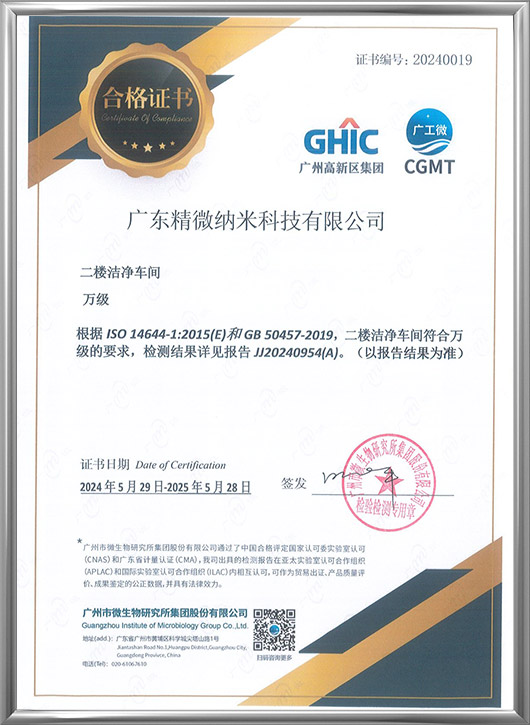
Class 10,000 cleanroom certification
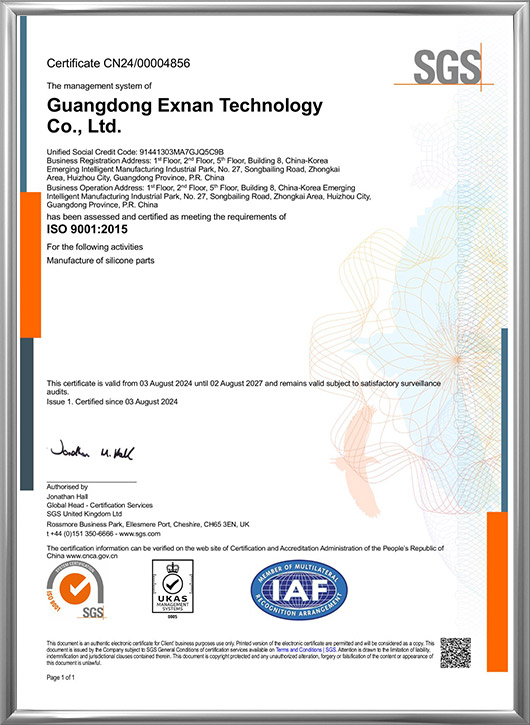
ISO 9001:2015
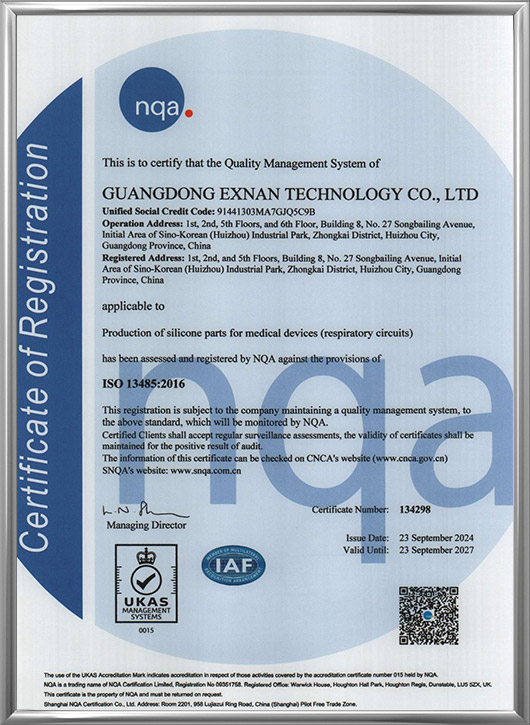
ISO 13485:2016
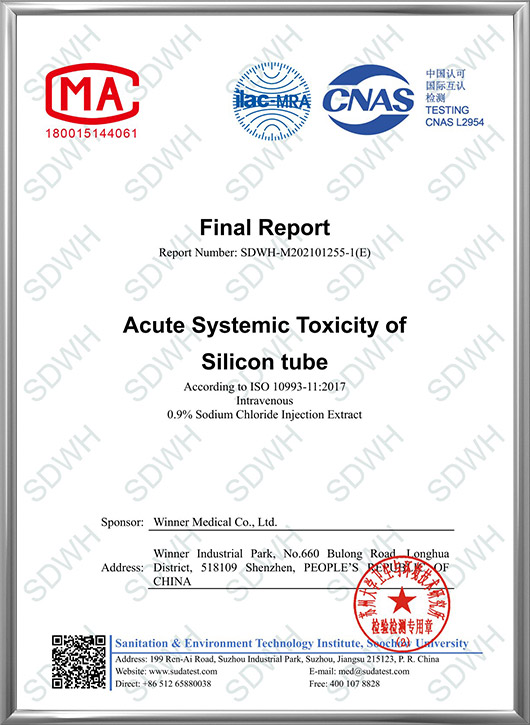
ISO 10993-11:2017 Tail vein injection
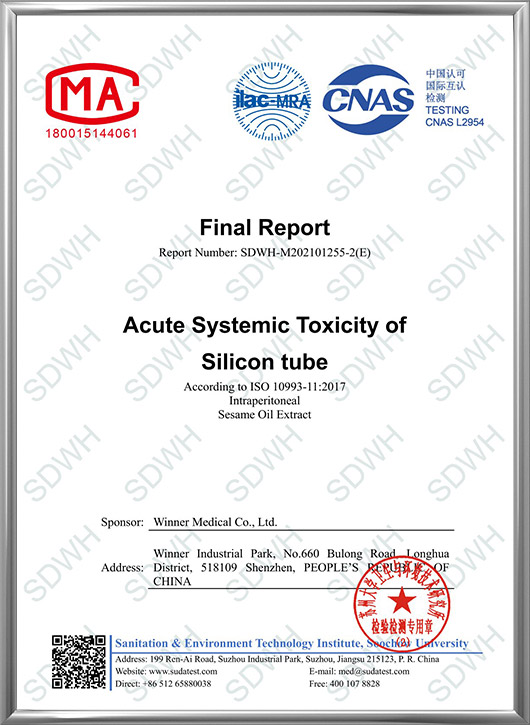
ISO 10993-11:2017 Intraperitoneal injection
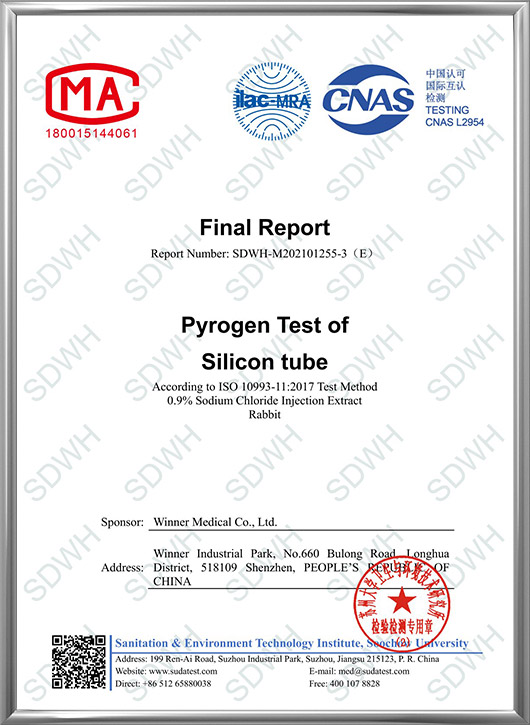
ISO 10993-11:2017 Pyrogens
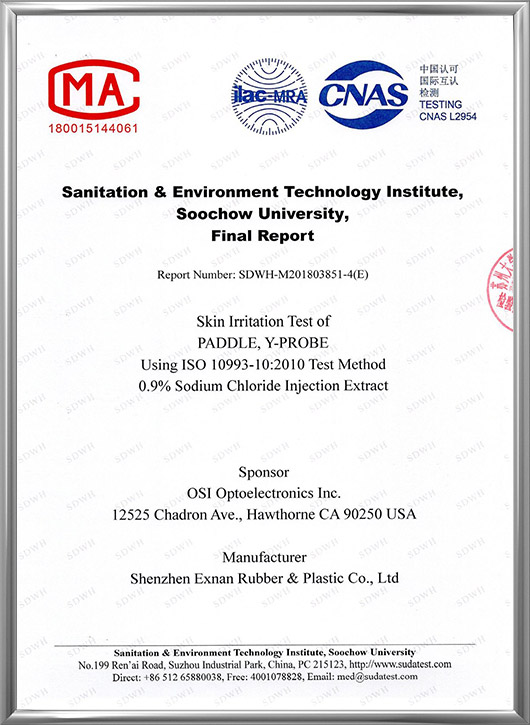
Skin irritation test for extract of 0.9% sodium chloride injection
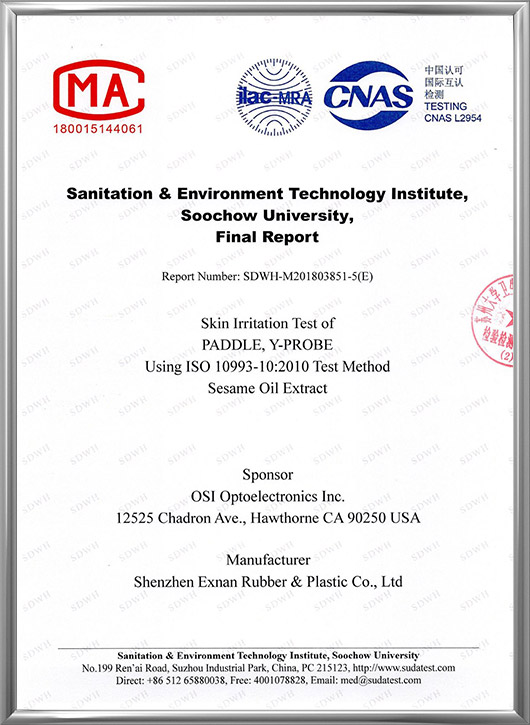
Skin irritation test for sesame oil extraction
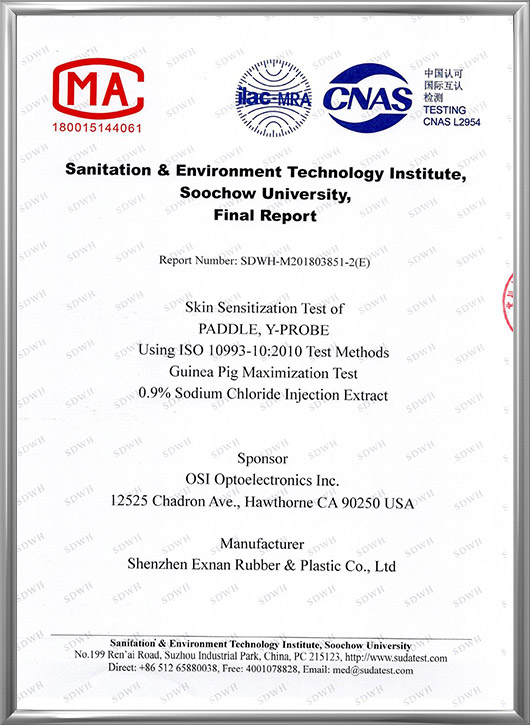
Skin sensitization test in guinea pigs using the maximization method with 0.9% sodium chloride injec
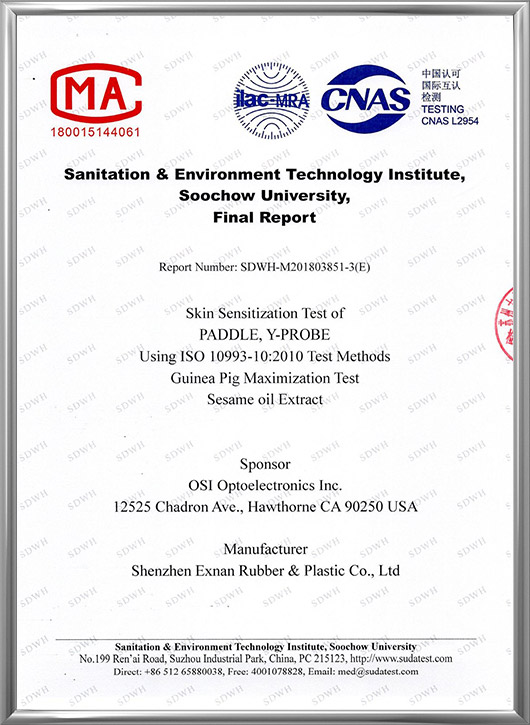
Skin sensitization test in guinea pigs:maximization method with sesame oil extraction
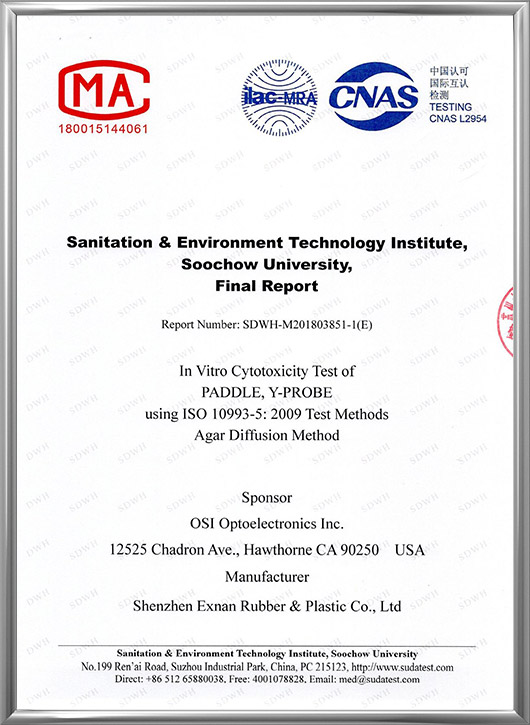
Cell toxicity test:agar diffusion method
Cooperating customers
Till now, Exnan products has been exports 35 countries, and more than 500 Medical equipment factory, health care companies, hospitals, clinics use our products, and win good reputation.



















New
Our silicone accessories meet international medical standards through strict quality control.
Ensure patient safety with our premium products. Explore our catalog today!
News
Our silicone accessories meet international medical standards through strict quality control.
Ensure patient safety with our premium products. Explore our catalog today!
Applications and Future Prospects of Medical Silicone Materials
Time: 2024-10-28 00:00:00
Author: Guangdong Exnan Technology Co.,Ltd
Click:
Medical silicone materials have become a cornerstone in modern healthcare, thanks in no small part to their unique properties. Renowned for their flexibility, durability, and biocompatibility, silicones serve in an array of applications.

I. Introduction
A. Overview of Medical Silicone Materials
Medical silicone materials have become a cornerstone in modern healthcare, thanks in no small part to their unique properties. Renowned for their flexibility, durability, and biocompatibility, silicones serve in an array of applications, from intricate diagnostic devices to life-saving implants. Their adaptability ensures they remain a preferred choice in the medical field, providing solutions that meet the rigorous demands of both patients and healthcare providers.
B. Importance of Biocompatibility and Versatility
The chemical inertness of silicones drives their acceptability in medical applications, reducing the risk of adverse rea
ctions when interacting with the human body. Historically, silicones have been applied to everything from coating medical glassware to forming heart valves, showcasing a legacy of innovation and reliability in healthcare settings source.

II. Current Applications of Medical-Grade Silicones
A. Implantable Medical Devices
Implantable devices such as stents and pacemakers capitalize on silicone's biocompatibility, which minimizes foreign body reactions and supports long-term use. The material’s stability and safety allow patients to enjoy improved health outcomes with minimal complications.
B. Non-Implantable Devices
In non-implantable devices, silicone contributes to patient comfort through its use in prosthetics and orthotics, where its soft touch and flexibility make it ideal for devices that are worn or attached to the body. This ensures enhanced comfort while maintaining the necessary support and function.
C. Coatings and Adhesives
Silicone's utility as a coating is unparalleled, providing longevity and reduced friction for surgical tools and syringes. As an adhesive in medical tapes and patches, it ensures secure yet gentle adherence, crucial for wound care and drug delivery systems.
D. Diagnostic Devices
The compatibility of silicone with electronics makes it indispensable in diagnostic devices that require electrical components and internet connectivity. This synergy improves real-time monitoring and intervention, enhancing patient care and treatment outcomes.

III. Types of Medical Silicone Materials
A. Liquid Silicone Rubber (LSR)
LSR is prized for its processing ease and precision in manufacturing complex parts through injection molding, offering consistency in quality and speed. This makes it ideal for mass production where accuracy and efficiency are paramount.
B. High Consistency Rubber (HCR)
HCR’s robustness makes it suitable for producing medical hoses, tubes, and catheters, where strength and resilience are essential. Its ability to withstand high stress without compromising performance is crucial in dynamic medical environments.
C. Adhesive and RTV Silicones
Both adhesive and room temperature vulcanizing (RTV) silicones provide excellent sealing and bonding solutions, crucial for maintaining the integrity of medical devices. Their versatility across temperature conditions further enhances their application scope.
D. Silicones in Gels and Fluids
Silicone gels and fluids, used in cushioning and coating applications, offer comfort and protection vital for sensitive medical uses like tissue implants and lubrication of surgical tools, ensuring function without compromising patient safety.

IV. Future Prospects and Innovations
A. Advances in Silicone Chemistry
Innovations in silicone chemistry are continuously enhancing material properties, unlocking new possibilities in emerging medical technologies. These advances ensure that silicones remain at the forefront of medical innovation, improving both device performance and patient care source.
B. Integration with New Technologies
The integration of silicones with advanced technologies like 3D printing is paving the way for more customized and scalable healthcare solutions. This adaptability allows for rapid prototyping and functional end products, expanding their applicability in personalized medicine.
C. Expanding Applications in Wearable Devices
Silicone's use in wearable health technology is growing, facilitating the development of more sophisticated diagnostic and therapeutic devices. This trend highlights silicone's potential to revolutionize patient monitoring and healthcare delivery systems.

V. Conclusion
A. Summary of Silicone's Impact on Medical Technology
Silicone materials have profoundly impacted medical device design by offering unparalleled versatility and reliability. Their key advantages, from biocompatibility to manufacturing ease, underline their critical role in advancing modern medicine.
B. Outlook on Continued Research and Development
The future of silicone in medical applications looks promising, with ongoing research and development poised to drive further market growth. Continuous innovation and collaboration will ensure that silicone materials continue to meet the evolving needs of the healthcare industry.
For those looking to explore high-quality silicone solutions, EXNAN offers an impressive range of medical-grade silicone products tailored to meet diverse healthcare demands, underlining our commitment to innovation and excellence in medical technology. Visit EXNAN's website to learn more about how their products can enhance your medical applications.

点击右上角
分享给朋友吧







 Long by picture save/share
0
文章推荐
Silicone Parts Fail After Sterilization: 5 Proven Fixes
Medical Silicone vs. TPE/TPU: Why Is Silicone Still the Preferred Material for Medical Consumables?
Medical Silicone Mold Design: The First Gateway to Product Precision
New Requirements of ISO13485:2016 for Medical Silicone Suppliers
Medical Silicone Consumables Market Sees New Growth: Respiratory Equipment Drives Demand for Precision Components
Related news recommendations —
Related Products —




News Products —
INQUIRY


Add Successfully

Hey there, I’m Steve!
15+ years in medical silicone accessories, linking manufacturers and healthcare providers for compliant, high-quality products. Trusted advisor focused on innovation and patient care. If you are looking for custom-made silicone rubber products, feel free to ask me any questions.
Hey there, I’m Steve!
15+ years in medical silicone accessories, linking manufacturers and healthcare providers for compliant, high-quality products. Trusted advisor focused on innovation and patient care. If you are looking for custom-made silicone rubber products, feel free to ask me any questions.
Welcome to contact us
If you have any questions, please fill in the relevant information. Weare very willing to provide more information and a full range ofservices for both you and your company
Welcome to contact us
If you have any questions, please fill in the relevant information. Weare very willing to provide more information and a full range ofservices for both you and your company
EXNAN
点击右上角
分享给朋友吧
Copyright © 2004-2024 Guangdong Exnan Technology Co.,Ltd
点击右上角
分享给朋友吧
Copyright © 2004-2024 Guangdong Exnan Technology Co.,Ltd

 +86-0752-3869959 / 3869960
 +86 180 0752 8206
 Building 8, China-Korea Emerging Intelligent Manufacturing Industrial Park, No.27, Songbailing Road, China-Korea (Huizhou) Industrial Park, Zhongkai Area, Huizhou City, Guangdong Province, China

WeChat scan
