

Contact Us
lf you have any queries, get in touch today! Don't hesitate, We try to take the extra step forour customer satisfaction.

Hey there, I’m Steve!
I’m the sales manager of exnan medical silicone. I have been in this field for more than ten years. If you are looking for custom-made silicone rubber products, feel free to ask me any questions.
"
Our certificate
Possess 800 square meters of Class 10,000 dust-free workshop, Passed ISO9001:2015 quality management system certification and ISO13485:2016 medical device quality management system, and its products have obtained multiple biocompatibility tests, US FDA and EU LFGB certifications.
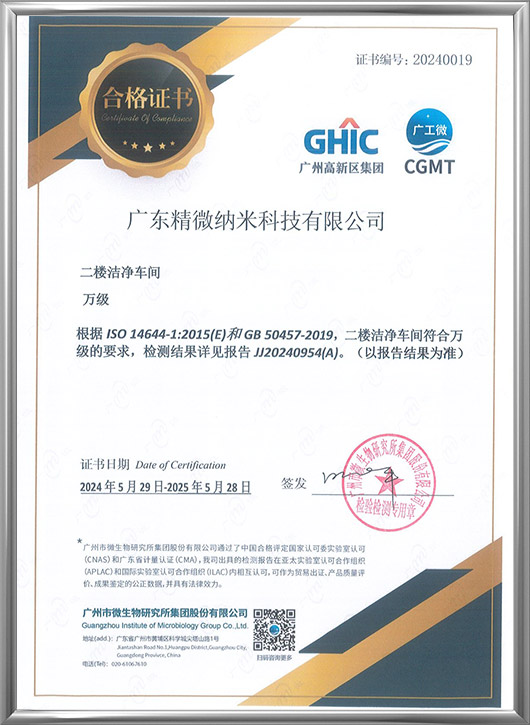
Class 10,000 cleanroom certification
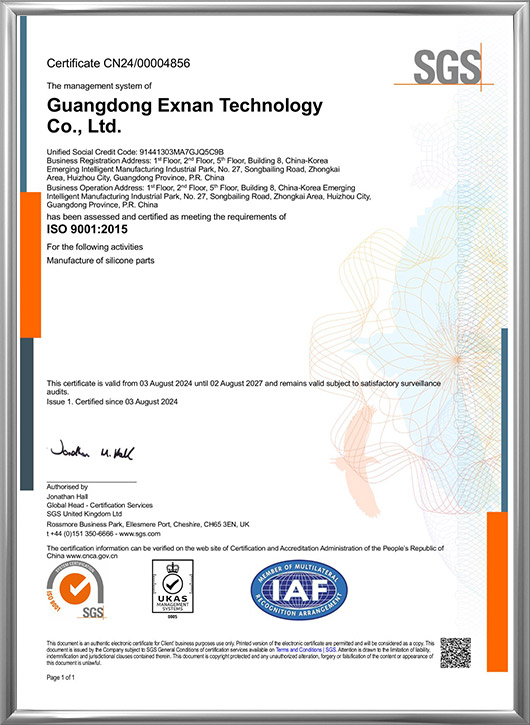
ISO 9001:2015
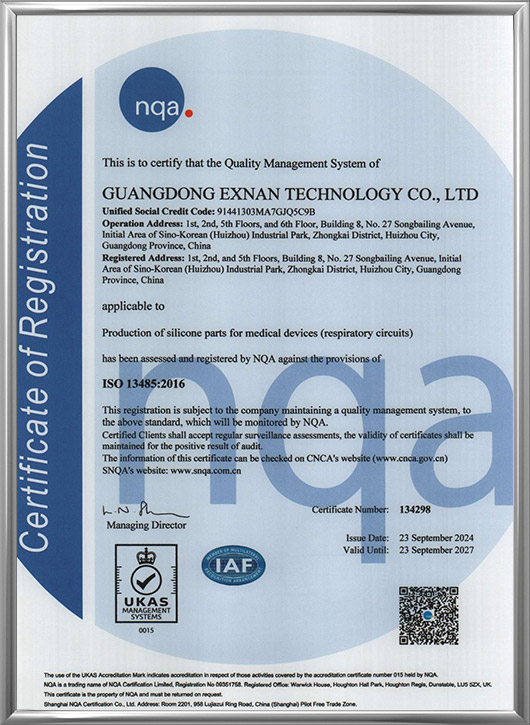
ISO 13485:2016
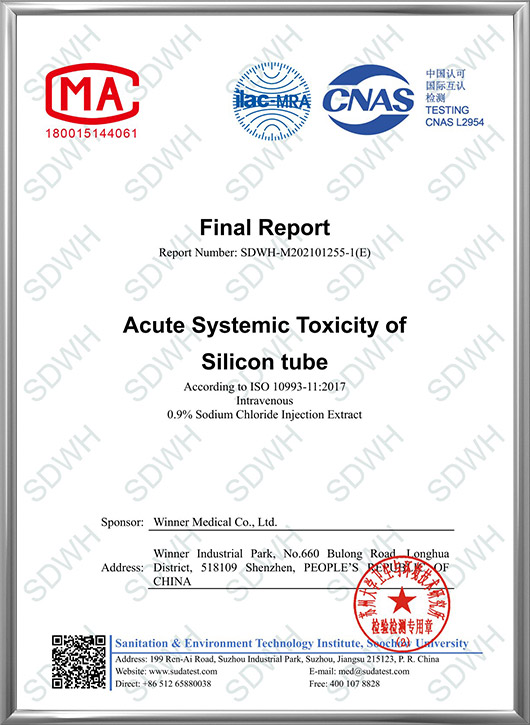
ISO 10993-11:2017 Tail vein injection
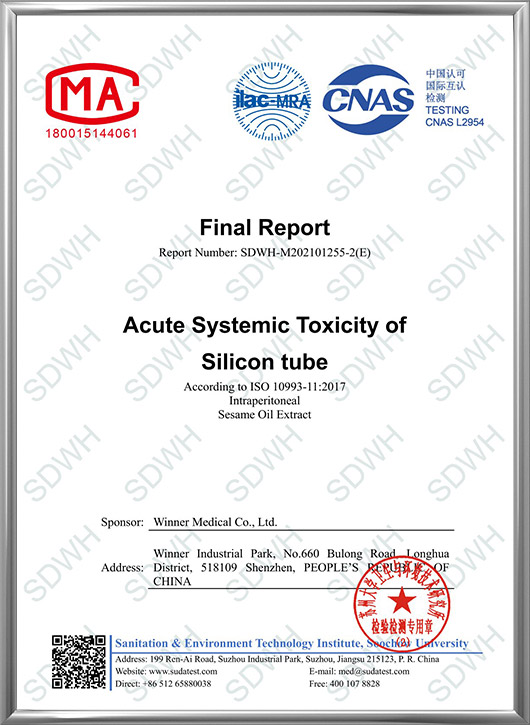
ISO 10993-11:2017 Intraperitoneal injection
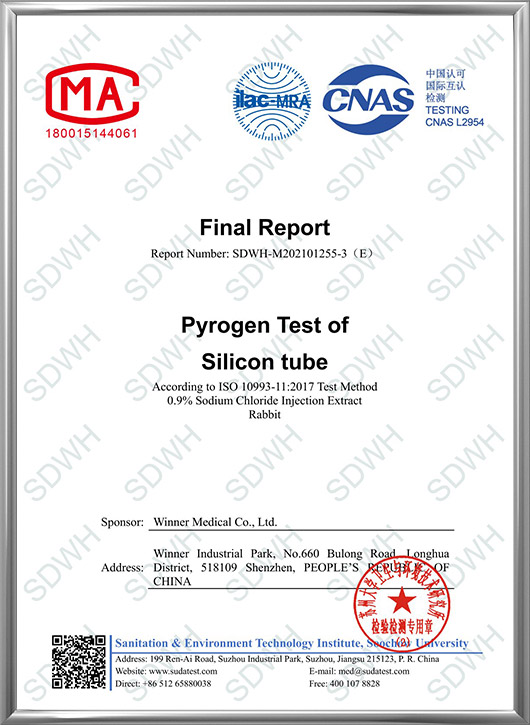
ISO 10993-11:2017 Pyrogens
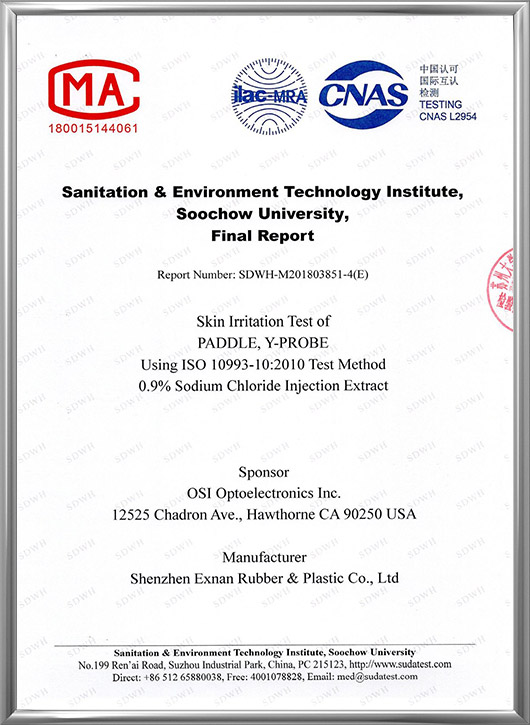
Skin irritation test for extract of 0.9% sodium chloride injection
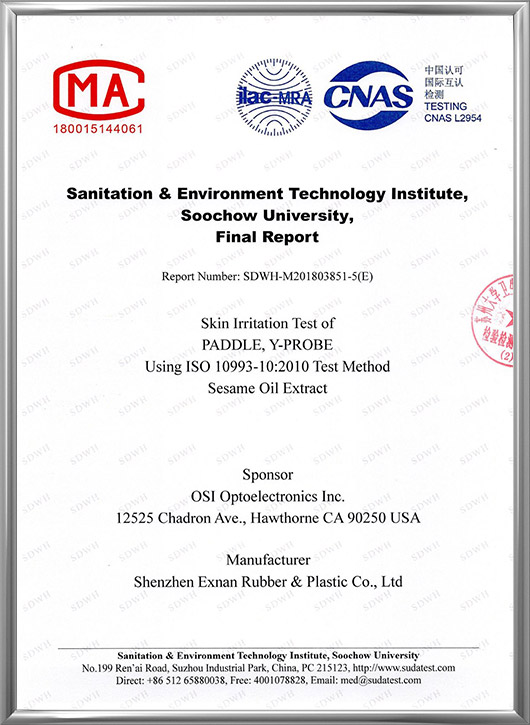
Skin irritation test for sesame oil extraction
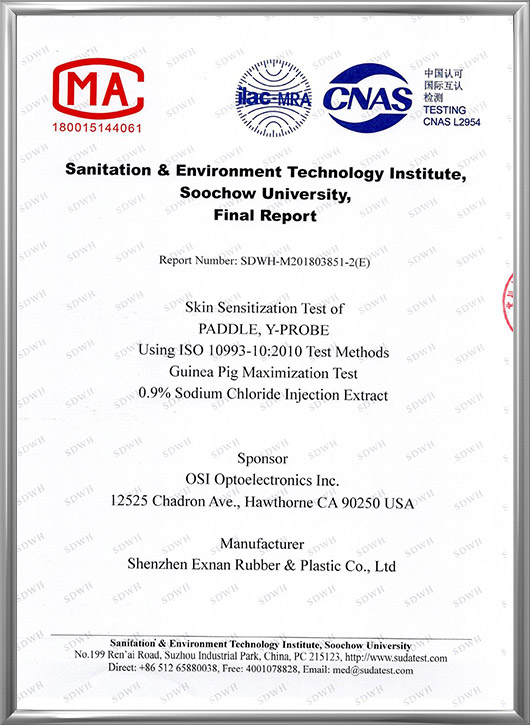
Skin sensitization test in guinea pigs using the maximization method with 0.9% sodium chloride injec
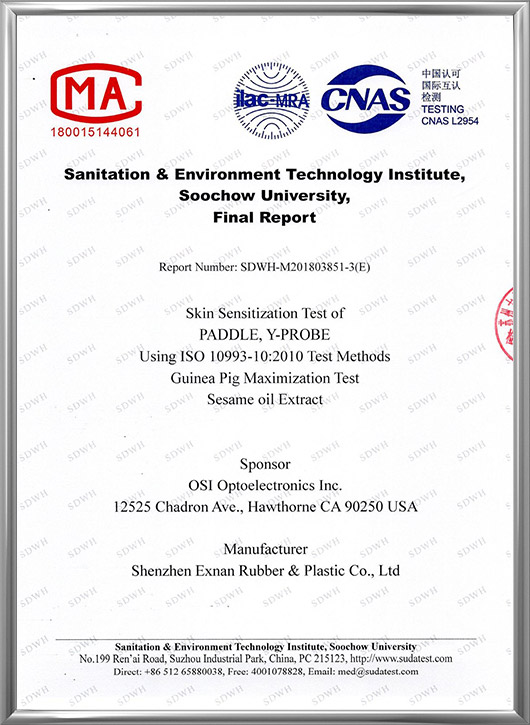
Skin sensitization test in guinea pigs:maximization method with sesame oil extraction
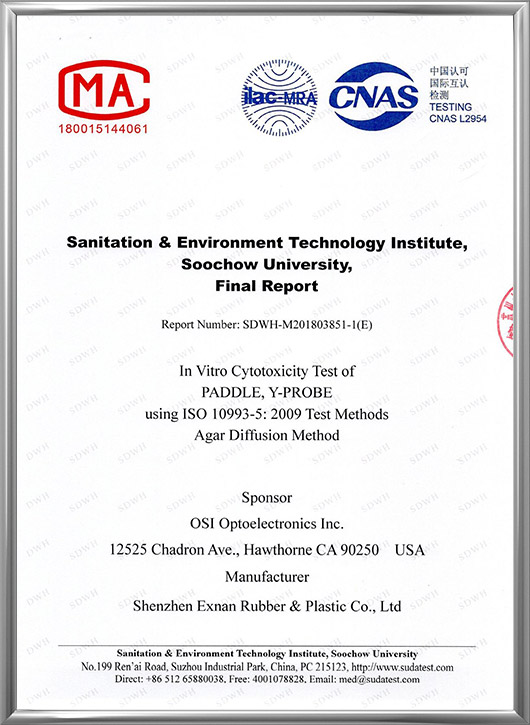
Cell toxicity test:agar diffusion method
Cooperating customers
Till now, Exnan products has been exports 35 countries, and more than 500 Medical equipment factory, health care companies, hospitals, clinics use our products, and win good reputation.




















New
Our silicone accessories meet international medical standards through strict quality control.
Ensure patient safety with our premium products. Explore our catalog today!
News
Our silicone accessories meet international medical standards through strict quality control.
Ensure patient safety with our premium products. Explore our catalog today!
Advantages of Silicone in Medical Device Manufacturing: Enhancing Performance, Safety, and Innovation
Time: 2024-12-13 09:28:01
Author: Guangdong Exnan Technology Co.,Ltd
Click:
Advantages of Silicone in Medical Device Manufacturing: Enhancing Performance, Safety, and Innovation

1. Introduction
When it comes to medical device manufacturing, selecting the right material is crucial. One material that stands out is silicone. Silicone has been a game-changer for the medical industry, thanks to its unique combination of properties that make it ideal for a wide range of applications. In this article, we'll explore the advantages of silicone in medical device manufacturing, from its biocompatibility and flexibility to its cost-effectiveness and ease of customization.
2. Properties of Silicone That Make It Ideal for Medical Use
Silicone is more than just a rubber; it's a material that can be tailored to meet specific performance, aesthetic, and therapeutic needs. Here are some of the key properties that make silicone a top choice in medical device manufacturing:
- Biocompatibility and Non-Toxicity
Silicone is highly biocompatible, meaning it can be used in direct contact with human tissue without causing adverse reactions. It is also non-toxic, making it safe for use in medical devices. Studies have shown that silicone is one of the most biocompatible materials available, even when exposed to the body for extended periods Journal of Biomedical Materials Research.
- Flexibility and Durability Under Various Conditions
Silicone remains flexible over a wide range of tempratures, from -50°C to 200°C. It can also withstand repeated sterilization without degrading, ensuring long-term reliability. This flexibility and durability make silicone suitable for devices that need to move or bend, such as catheters and implants.
- Resistance to Temperature, Aging, and Chemical Degradation
Silicone has excellent resistance to temperature changes, aging, and chemical degradation. This means that it can maintain its properties over time, even when exposed to harsh environments or sterilization processes.
- Transparency and Aesthetic Appeal
Silicone can be produced in transparent or translucent forms, which is beneficial for devices like wound care products or diagnostic equipment where visibility is important. The material also has a smooth and appealing texture, which can enhance patient comfort and device acceptance.
- Electrical and Thermal Insulation Properties
Silicone is an excellent insulator, both electrically and thermally. This property is useful in devices that need to protect against electrical conduction or heat transfer, such as wearable devices with electronic components.

3. Applications of Silicone in Medical Devices
Silicone's versatility allows it to be used in a variety of medical devices, each benefiting from its unique properties:
- Prosthetics and Implants
Silicone is widely used in prosthetics and implants due to its biocompatibility and flexibility. For example, silicone breast implants and artificial heart valves are known for their durability and patient comfort Plastics Today.
- Catheters and Tubing
Silicone catheters and tubing are favored for their flexibility, which reduces patient discomfort and the risk of tissue damage. They are also easy to sterilize and can be customized for specific applications.
- Medical Seals and Gaskets
Silicone seals and gaskets are used in various medical devices to ensure airtight and watertight seals. Their resistance to temperature and chemicals makes them ideal for this application.
- Diagnostic Equipment and Wearable Devices
Silicone is used in diagnostic equipment and wearable devices for its transparency, flexibility, and electrical insulation properties. It can help protect sensitive electronic components while maintaining patient comfort.
- Wound Care and Drug Delivery Systems
Silicone-based dressings and drug delivery systems are popular for their ability to promote healing and reduce the risk of infection. Silicone's biocompatibility and adhesive properties make it an excellent choice for these applications.

4. Advantages of Silicone Over Alternative Materials
While silicone is a great choice, it's important to compare it with other materials commonly used in medical device manufacturing:
- Comparison with Rubber, Thermoplastics, and Metals
| Property | Silicone | Rubber | Thermoplastics | Metals |
| Biocompatibility | Excellent | Good | Fair | Variable |
| Flexibility | High | High | Moderate | Low |
| Durability | High | Moderate | Low | High |
| Temperature Resistance | Excellent | Moderate | Low | High |
| Chemical Resistance | Excellent | Moderate | Low | High |
| Transparency | Excellent | None | None | None |
| Electrical Insulation | Excellent | Moderate | Good | Poor |
- Cost-Effectiveness and Long-Term Reliability
Silicone can be more cost-effective than some alternative materials, especially when considering the long-term reliability and reduced need for replacement. This is particularly important for devices that are used repeatedly or for extended periods.
- Ease of Sterilization and Repeat Use
Silicone can be easily sterilized using various methods, including gamma radiation, ethylene oxide (EO) gas, and steam sterilization. This makes it ideal for devices that need to be reused or are in contact with sterile environments.
- Customizability in Formulation and Manufacturing
Silicone can be formulated to meet specific needs, such as different levels of hardness, transparency, or color. It can also be manufactured using various methods, including injection molding, dip molding, and calendaring, making it highly customizable for different applications.

5. Challenges and Considerations in Using Silicone
Despite its many advantages, using silicone in medical device manufacturing comes with some challenges:
- Need for Stringent Quality Control in Manufacturing
Ensuring the quality and consistency of silicone components is crucial. Suppliers must have robust quality control processes in place to meet the high standards of the medical industry.
- Regulatory Compliance (e.g., FDA Approval)
Medical devices must meet strict regulatory requirements, such as FDA approval. Suppliers and manufacturers need to stay up-to-date with the latest regulations and ensure their products comply.
- Potential Issues with Surface Interactions in Certain Applications
In some applications, surface interactions between silicone and other materials can be a concern. For example, silicone's hydrophobic nature can make it challenging to bond with certain surfaces. Proper surface treatment and adhesion techniques are essential to overcome these issues.
6. Future Trends and Innovations in Silicone Use
The use of silicone in medical device manufacturing is continually evolving, with new trends and innovations on the horizon:
- Integration with Smart Technologies (e.g., Sensors, IoT)
Silicone is being integrated with smart technologies to create devices that can monitor patient health and provide real-time data. For example, silicone-based wearable sensors are being developed to track vital signs and other health metrics Medical Design Technology.
- Development of Bioactive Silicones for Enhanced Therapeutic Effects
Researchers are developing bioactive silicones that can release therapeutic agents, such as drugs or growth factors, directly at the site of application. This innovation can significantly improve patient outcomes and reduce the need for additional treatments ScienceDirect.
- Sustainability in Silicone Production and Recycling
The medical industry is increasingly focused on sustainability. New methods for producing and recycling silicone are being developed to reduce environmental impact. For instance, some companies are exploring the use of renewable resources and closed-loop recycling systems Silicone Engineering.

7. Conclusion
Silicone's unique properties make it an invaluable material in medical device manufacturing. From its biocompatibility and flexibility to its cost-effectiveness and ease of customization, silicone offers numerous advantages that can enhance performance, safety, and innovation. While there are challenges to using silicone, such as stringent quality control and regulatory compliance, the benefits far outweigh the drawbacks. Continued innovation and collaboration between manufacturers and suppliers will ensure that silicone continues to play a crucial role in advancing medical technology and improving patient care.
By leveraging the advantages of silicone, manufacturers can create medical devices that not only meet but exceed the expectations of the medical community and their patients.

点击右上角
分享给朋友吧







 Long by picture save/share
0
文章推荐
Silicone Parts Fail After Sterilization: 5 Proven Fixes
Medical Silicone vs. TPE/TPU: Why Is Silicone Still the Preferred Material for Medical Consumables?
Medical Silicone Mold Design: The First Gateway to Product Precision
New Requirements of ISO13485:2016 for Medical Silicone Suppliers
Medical Silicone Consumables Market Sees New Growth: Respiratory Equipment Drives Demand for Precision Components
Related news recommendations —
Related Products —




News Products —
INQUIRY


Add Successfully

Hey there, I’m Steve!
15+ years in medical silicone accessories, linking manufacturers and healthcare providers for compliant, high-quality products. Trusted advisor focused on innovation and patient care. If you are looking for custom-made silicone rubber products, feel free to ask me any questions.
Hey there, I’m Steve!
15+ years in medical silicone accessories, linking manufacturers and healthcare providers for compliant, high-quality products. Trusted advisor focused on innovation and patient care. If you are looking for custom-made silicone rubber products, feel free to ask me any questions.
Welcome to contact us
If you have any questions, please fill in the relevant information. Weare very willing to provide more information and a full range ofservices for both you and your company
Welcome to contact us
If you have any questions, please fill in the relevant information. Weare very willing to provide more information and a full range ofservices for both you and your company
EXNAN
点击右上角
分享给朋友吧
Copyright © 2004-2024 Guangdong Exnan Technology Co.,Ltd
点击右上角
分享给朋友吧
Copyright © 2004-2024 Guangdong Exnan Technology Co.,Ltd

 +86-0752-3869959 / 3869960
 +86 180 0752 8206
 Building 8, China-Korea Emerging Intelligent Manufacturing Industrial Park, No.27, Songbailing Road, China-Korea (Huizhou) Industrial Park, Zhongkai Area, Huizhou City, Guangdong Province, China

WeChat scan
