

Contact Us
lf you have any queries, get in touch today! Don't hesitate, We try to take the extra step forour customer satisfaction.

Hey there, I’m Steve!
I’m the sales manager of exnan medical silicone. I have been in this field for more than ten years. If you are looking for custom-made silicone rubber products, feel free to ask me any questions.
"
Our certificate
Possess 800 square meters of Class 10,000 dust-free workshop, Passed ISO9001:2015 quality management system certification and ISO13485:2016 medical device quality management system, and its products have obtained multiple biocompatibility tests, US FDA and EU LFGB certifications.
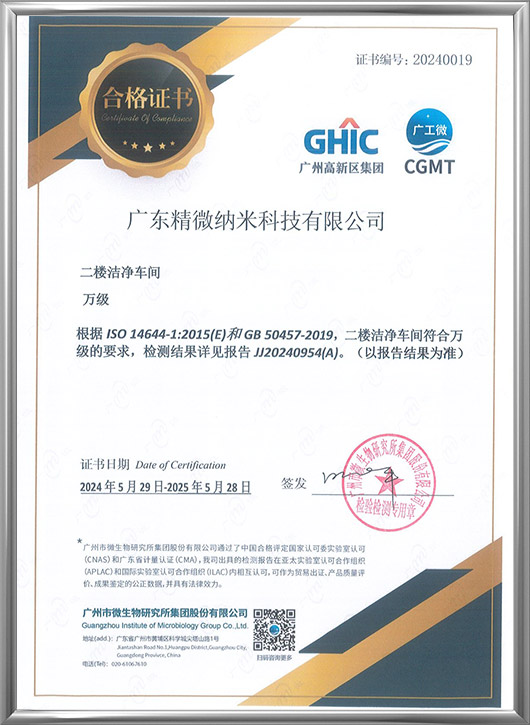
Class 10,000 cleanroom certification
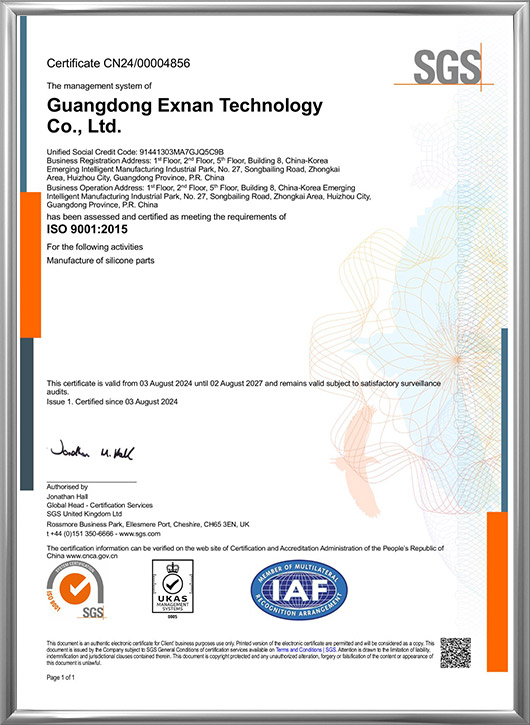
ISO 9001:2015
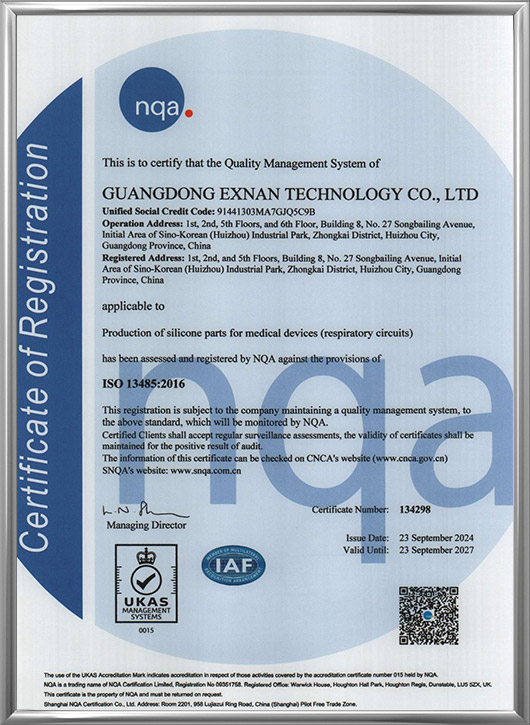
ISO 13485:2016
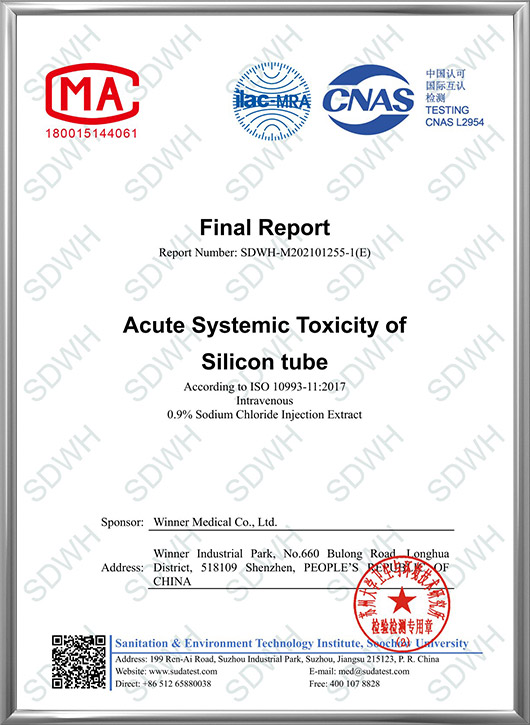
ISO 10993-11:2017 Tail vein injection
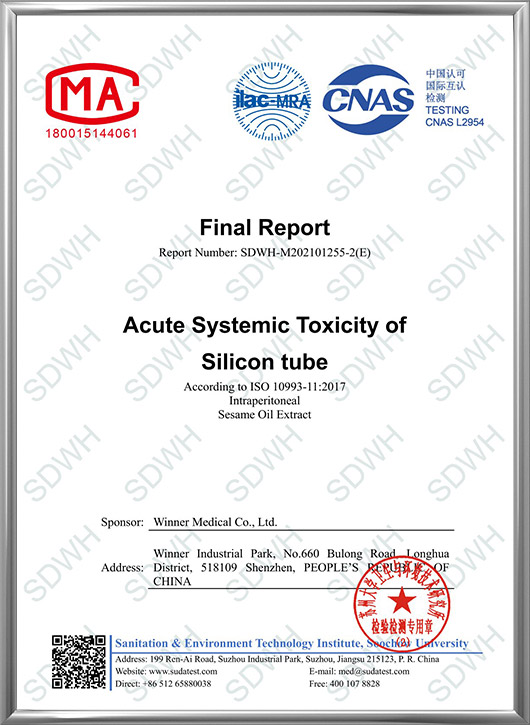
ISO 10993-11:2017 Intraperitoneal injection
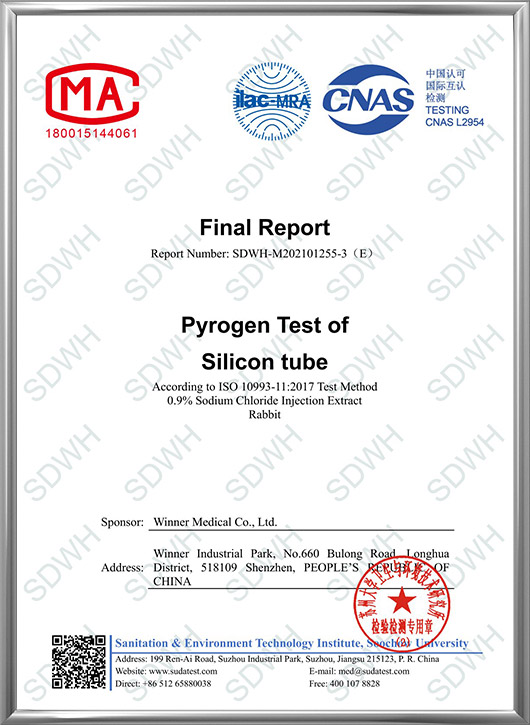
ISO 10993-11:2017 Pyrogens
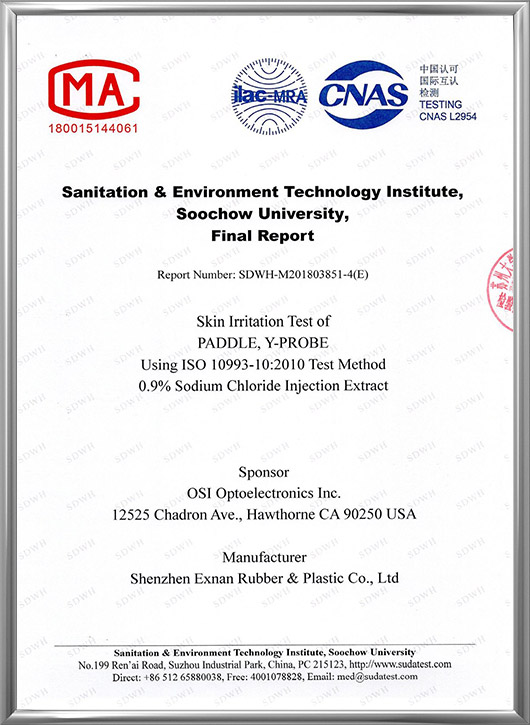
Skin irritation test for extract of 0.9% sodium chloride injection
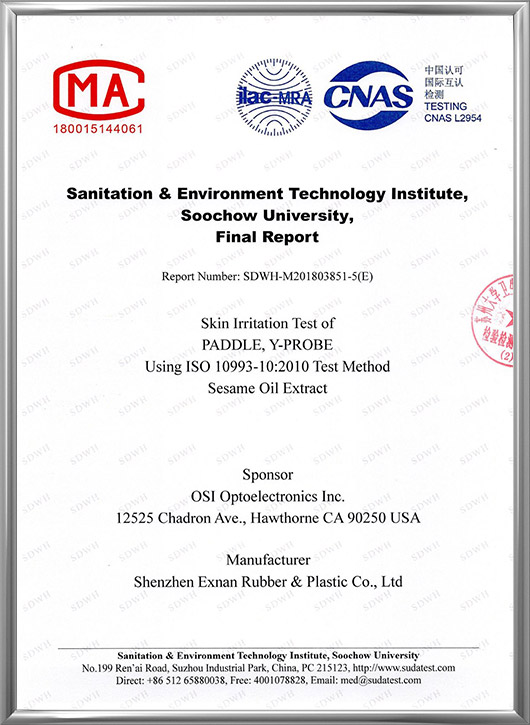
Skin irritation test for sesame oil extraction
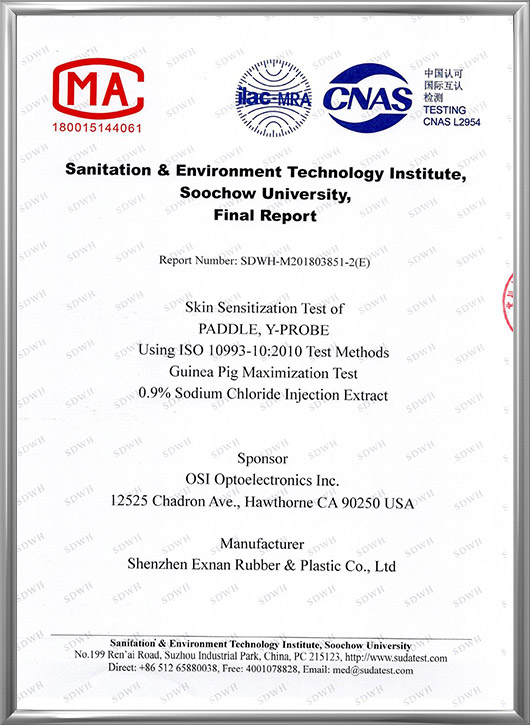
Skin sensitization test in guinea pigs using the maximization method with 0.9% sodium chloride injec
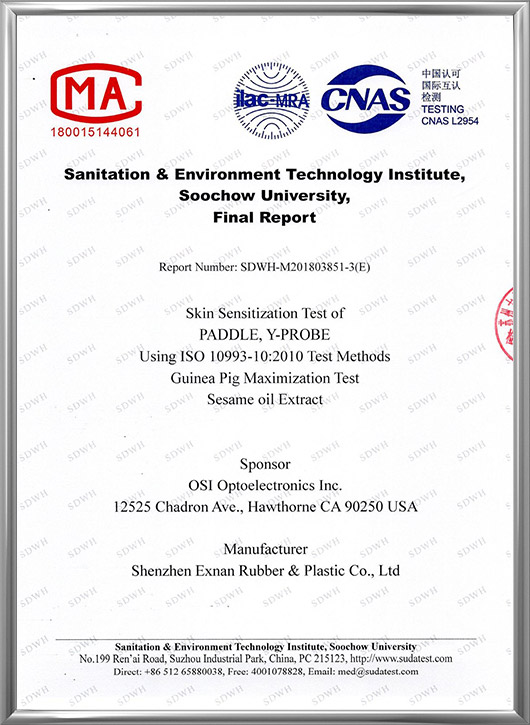
Skin sensitization test in guinea pigs:maximization method with sesame oil extraction
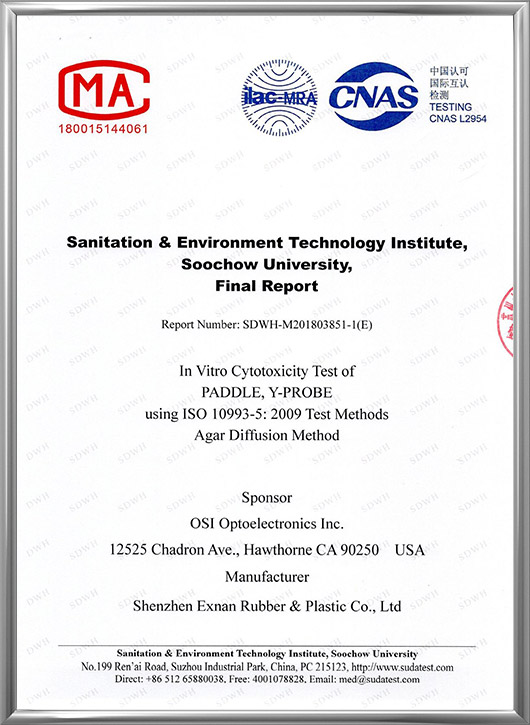
Cell toxicity test:agar diffusion method
Cooperating customers
Till now, Exnan products has been exports 35 countries, and more than 500 Medical equipment factory, health care companies, hospitals, clinics use our products, and win good reputation.

















New
Our silicone accessories meet international medical standards through strict quality control.
Ensure patient safety with our premium products. Explore our catalog today!
News
Our silicone accessories meet international medical standards through strict quality control.
Ensure patient safety with our premium products. Explore our catalog today!
Silicone Rubber Uses in the Medical Industry
Time: 2024-12-16 00:00:00
Author: Guangdong Exnan Technology Co.,Ltd
Click:
Hey there, folks! Whether you are a healthcare professional, a curious tech enthusiast, or just someone interested in the medical field

Hey there, folks! Whether you are a healthcare professional, a curious tech enthusiast, or just someone interested in the medical field, this article is for you. We are diving deep into the world of silicone rubber and how it has revolutionized the medical industry. Buckle up, it's going to be a journey filled with interesting facts and real-world examples!
1. Introduction
Silicone rubber is a versatile material that has found its way into numerous medical applications due to its unique properties. But what exactly is silicone rubber, and why is it so important in healthcare?
- Definition and Basic Properties:
Silicone rubber is a synthetic polymer made from silicon, oxygen, and other elements. It has a high degree of flexibility, resistance to temperature extremes, and excellent biocompatibility, making it perfect for medical use.
- Historical Context and Evolution:
Silicone rubber has been used in medical devices since the 1950s. Initially, it was used for simple applications like tubing, but over the years, its use has expanded to more complex and specialized devices. Thanks to ongoing research and development, silicone rubber is now a cornerstone of modern medical technology.
2. Versatility and Adaptability
Silicone rubber comes in different forms, each tailored for specific medical needs. Let's break it down:
- Room Temperature Vulcanization (RTV) Silicone Rubber:
RTV silicone rubber cures at room temperature, making it ideal for molding and casting. It is commonly used in wound care and skin adhesives.
- Application Example: RTV silicone rubber is used to create custom prosthetic limbs and facial prosthetics, ensuring a perfect fit and maximum comfort.
- Liquid Silicone Rubber (LSR):
LSR is a two-part liquid that cures under heat and pressure. It is known for its high purity and precise manufacturing capabilities.
- Application Example: LSR is used in the production of medical device components like catheters, syringe stoppers, and valve seals.
| Type of Silicone Rubber | Key Properties | Typical Medical Applications |
| RTV | Cures at room temperature, flexible | Wound care, skin adhesives, custom prosthetics |
| LSR | Two-part liquid, cures under heat, high purity | Catheters, syringe stoppers, valve seals |
- Patient-Centric Modifications:
One of the significant advantages of silicone rubber is its ability to address common issues like latex allergies. Traditional latex products can cause allergic reactions in some patients, but silicone rubber provides a safe and effective alternative.
- Case Study: The development of silicone-based urinary catheters has greatly improved the quality of life for patients with latex allergies, reducing the risk of adverse reactions.

3. Biocompatibility and Safety
Biocompatibility is crucial in medical materials, and silicone rubber excels in this area. Here are some key properties:
- Low Toxicity and Minimal Allergic Reactions:
Silicone rubber is non-toxic and rarely causes allergic reactions, making it safe for long-term use in the body.
- Source: [1] Properties and applications of silicone rubber
- Resistance to Body Fluids:
Silicone rubber can withstand exposure to body fluids without degrading, ensuring that devices remain functional and safe over time.
- Sterilization Compatibility:
Medical devices must be sterile to prevent infections. Silicone rubber can be sterilized using various methods, including autoclaving, ethylene oxide, and gamma radiation.
- Example: Liquid Silicone Rubber (LSR) is particularly resistant to high-temperature and radiation sterilization, making it a preferred choice for many medical applications.
- Source: [9] Curing systems for Liquid Silicone Rubber (LSR)

4. Specific Medical Applications
Silicone rubber is used in a wide range of medical devices, each designed to meet specific needs. Here are some common applications:
- Tubing and Cord:
Silicone rubber tubing is essential for the transfer of bodily fluids, such as in urinary catheters and blood transfusion tubing.
- Examples: Urinary catheters, blood transfusion tubing, and IV lines.
- Benefit: Silicone rubber tubing is flexible, durable, and biocompatible, ensuring patient safety and comfort.
- Seals and Encasings:
Seals made from silicone rubber are crucial for maintaining a sterile environment in medical devices.
- Examples: Syringe stoppers, valve seals, and pump diaphragms.
- Benefit: These seals are highly elastic and can withstand repeated use without degrading.
- Prosthetics and Implants:
Silicone rubber is widely used in prosthetics and implants due to its biocompatibility and durability.
- Maxillofacial Prosthodontics: Silicone rubber is used to create facial prosthetics that look and feel natural.
- Case Study: Silicone implants for breast augmentation and joint replacement have been shown to have excellent long-term results with minimal complications.
- Source: [12] Degradation and mechanical properties of silicone rubber in biomedical applications
- Wearable Devices:
Comfort and flexibility are critical in wearable medical devices, and silicone rubber delivers on both.
- Examples: Continuous glucose monitors (CGMs) and wearable insulin pumps.
- Benefit: Silicone rubber's soft and flexible nature ensures that these devices are comfortable to wear and can move with the patient's body.
5. Advanced Medical Devices
As technology advances, so does the use of silicone rubber in more sophisticated medical devices. Here are a couple of examples:
- Drug-Eluting Devices:
Drug-eluting devices are designed to release medication over a controlled period. Silicone rubber is used to encapsulate the drug, ensuring precise and consistent delivery.
- Examples: NuvaRing for hormonal contraception and drug-eluting stents for treating coronary artery disease.
- Benefit: LSR is particularly suitable for drug-eluting devices due to its high purity and ability to maintain the integrity of the drug over time.
- Source: [1] Properties and applications of silicone rubber
- Cardiac and Pacemaker Applications:
Silicone rubber is used in pacemakers to reduce inflammation and improve biocompatibility.
- Example: Silicone-coated pacemaker leads have been shown to reduce the risk of inflammation and infection.
- Case Study: A study published in the Journal of Biomedical Materials Research found that silicone-coated leads significantly reduced the incidence of lead-related complications.
- Source: [1] Properties and applications of silicone rubber

6. Manufacturing and Processing
The manufacturing process of silicone rubber is critical to ensuring its performance in medical applications. Here’s a look at the key steps:
- Precision and Efficiency:
High-precision injection molding of LSR ensures that medical device components meet strict quality standards.
- Leading Companies: Companies like SIMTEC Silicone Parts lead the way in LSR manufacturing, producing components for a wide range of medical devices.
- Optimizing Curing and Post-Curing:
The curing process is crucial for the long-term performance of silicone rubber. Proper curing and post-curing can enhance the material's properties.
- Importance: Curing conditions, such as temperature and time, need to be precisely controlled to ensure optimal performance.
- Best Practices: Post-curing can further improve the material's mechanical properties and resistance to environmental factors.
- Source: [9] Curing systems for Liquid Silicone Rubber (LSR)
7. Future Trends and Innovations
The future of silicone rubber in the medical industry looks bright, with ongoing research and development opening up new possibilities.
- Emerging Applications:
- Tissue Engineering and Regenerative Medicine: Silicone rubber is being explored for use in scaffolds for tissue engineering, where it can support the growth of new tissue.
- Smart Medical Devices: Integrating sensors into silicone rubber can create smart devices that monitor patient health in real-time.
- Research and Development:
Scientists and engineers are continuously working to improve the biocompatibility and durability of silicone rubber.
- Potential Advancements: New formulations of silicone rubber could offer even better resistance to degradation and improved mechanical properties.
- Source: [12] Degradation and mechanical properties of silicone rubber in biomedical applications

8. Conclusion
In summary, silicone rubber is a versatile and adaptable material that has significantly impacted the medical industry. Its biocompatibility, safety, and specific applications in medical devices have made it a go-to material for healthcare professionals and manufacturers alike.
- Key Points:
- Versatility and Adaptability: Silicone rubber comes in different forms, each suited for various medical applications.
- Biocompatibility and Safety: It is non-toxic, resistant to body fluids, and can withstand multiple sterilization methods.
- Specific and Advanced Medical Uses: From simple tubing to advanced drug-eluting devices, silicone rubber plays a crucial role in modern healthcare.
- Final Thoughts:
The importance of silicone rubber in the medical industry cannot be overstated. As research continues, we can expect even more innovative uses and improvements in this remarkable material. Stay tuned for the exciting future of silicone rubber in healthcare!
References
- [1] Properties and applications of silicone rubber.
- [9] Curing systems for Liquid Silicone Rubber (LSR).
- [12] Degradation and mechanical properties of silicone rubber in biomedical applications.
- [17] Comfort and biocompatibility issues in maxillofacial prosthodontics.

点击右上角
分享给朋友吧







 Long by picture save/share
0
文章推荐
Medical Silicone vs. TPE/TPU: Why Is Silicone Still the Preferred Material for Medical Consumables?
Medical Silicone Mold Design: The First Gateway to Product Precision
New Requirements of ISO13485:2016 for Medical Silicone Suppliers
Medical Silicone Consumables Market Sees New Growth: Respiratory Equipment Drives Demand for Precision Components
From Concept to Compliant Mass Production – EXNAN’s One‑Stop Custom Implantable Silicone Components Service
Related news recommendations —
Related Products —



News Products —
INQUIRY


Add Successfully

Hey there, I’m Steve!
15+ years in medical silicone accessories, linking manufacturers and healthcare providers for compliant, high-quality products. Trusted advisor focused on innovation and patient care. If you are looking for custom-made silicone rubber products, feel free to ask me any questions.
Hey there, I’m Steve!
15+ years in medical silicone accessories, linking manufacturers and healthcare providers for compliant, high-quality products. Trusted advisor focused on innovation and patient care. If you are looking for custom-made silicone rubber products, feel free to ask me any questions.
Welcome to contact us
If you have any questions, please fill in the relevant information. Weare very willing to provide more information and a full range ofservices for both you and your company
Welcome to contact us
If you have any questions, please fill in the relevant information. Weare very willing to provide more information and a full range ofservices for both you and your company
EXNAN
点击右上角
分享给朋友吧
Copyright © 2004-2024 Guangdong Exnan Technology Co.,Ltd
点击右上角
分享给朋友吧
Copyright © 2004-2024 Guangdong Exnan Technology Co.,Ltd

 +86-0752-3869959 / 3869960
 +86 180 0752 8206
 Building 8, China-Korea Emerging Intelligent Manufacturing Industrial Park, No.27, Songbailing Road, China-Korea (Huizhou) Industrial Park, Zhongkai Area, Huizhou City, Guangdong Province, China

WeChat scan
