

Contact Us
lf you have any queries, get in touch today! Don't hesitate, We try to take the extra step forour customer satisfaction.

Hey there, I’m Steve!
I’m the sales manager of exnan medical silicone. I have been in this field for more than ten years. If you are looking for custom-made silicone rubber products, feel free to ask me any questions.
"
Our certificate
Possess 800 square meters of Class 10,000 dust-free workshop, Passed ISO9001:2015 quality management system certification and ISO13485:2016 medical device quality management system, and its products have obtained multiple biocompatibility tests, US FDA and EU LFGB certifications.
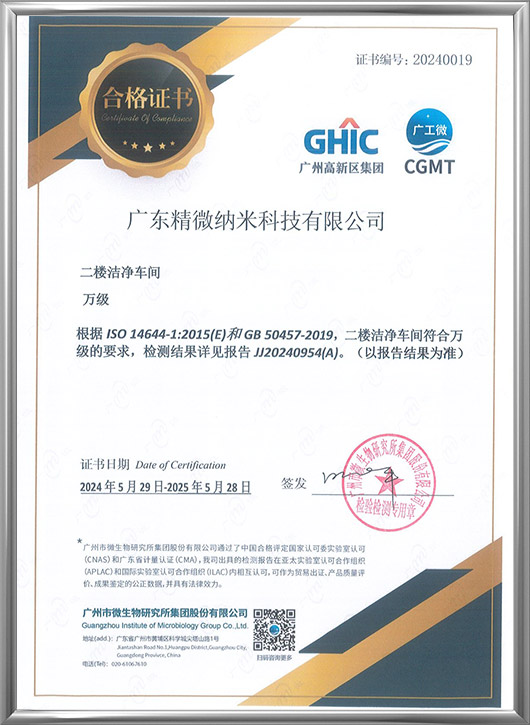
Class 10,000 cleanroom certification
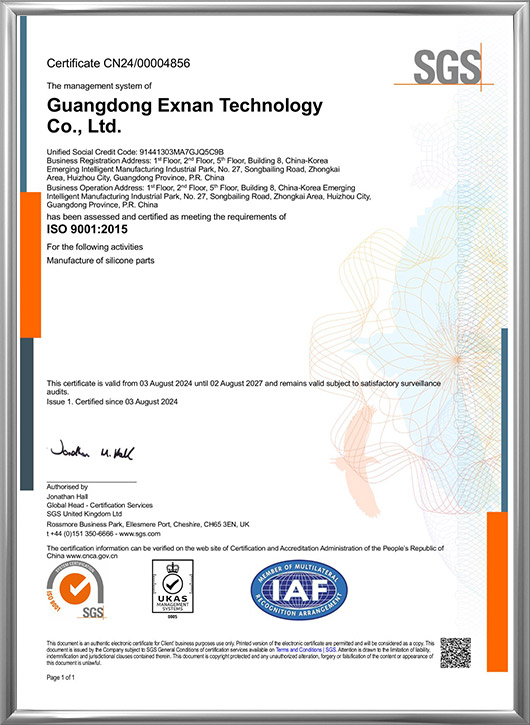
ISO 9001:2015
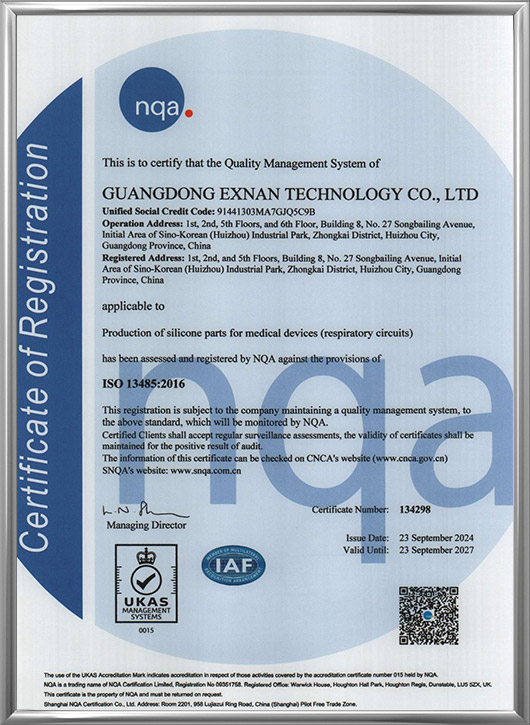
ISO 13485:2016
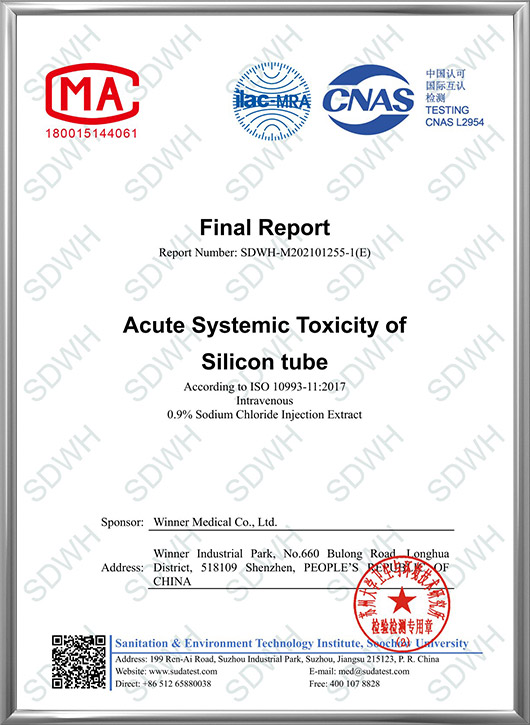
ISO 10993-11:2017 Tail vein injection
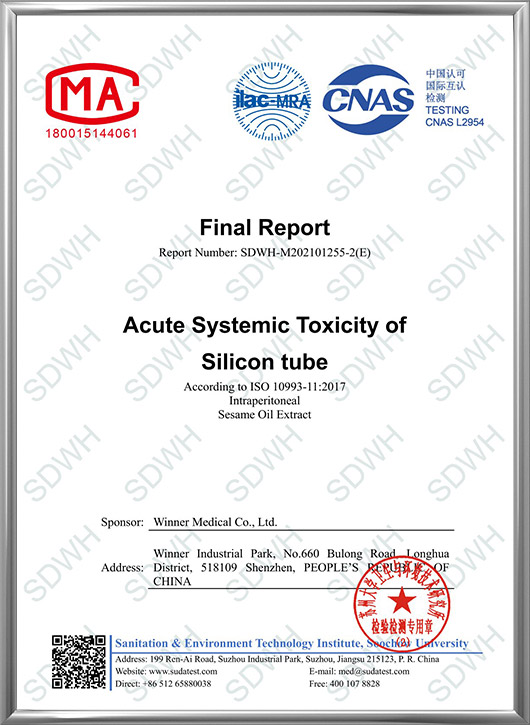
ISO 10993-11:2017 Intraperitoneal injection
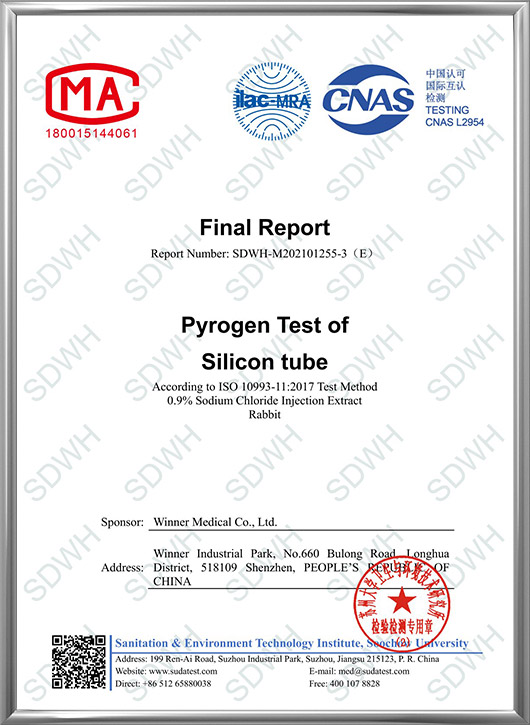
ISO 10993-11:2017 Pyrogens
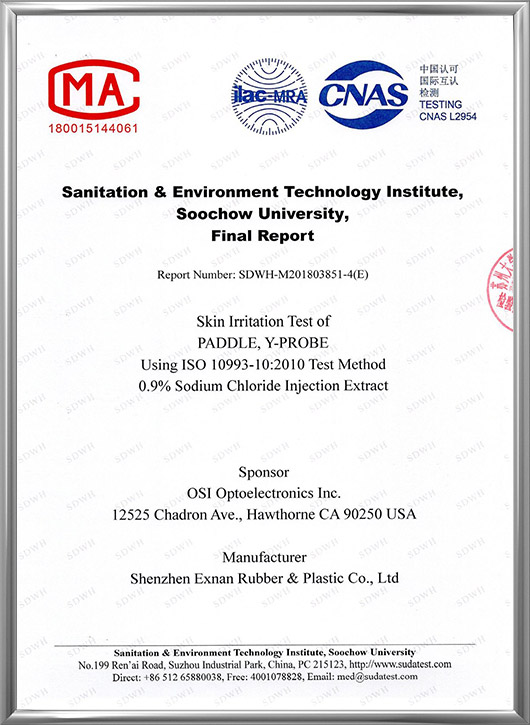
Skin irritation test for extract of 0.9% sodium chloride injection
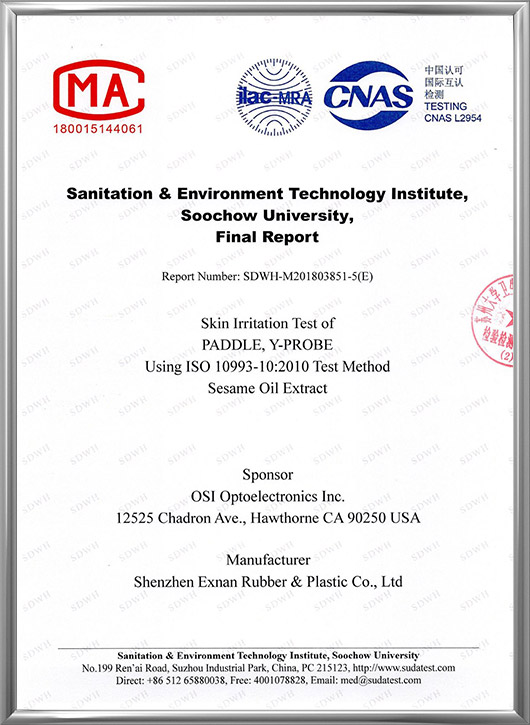
Skin irritation test for sesame oil extraction
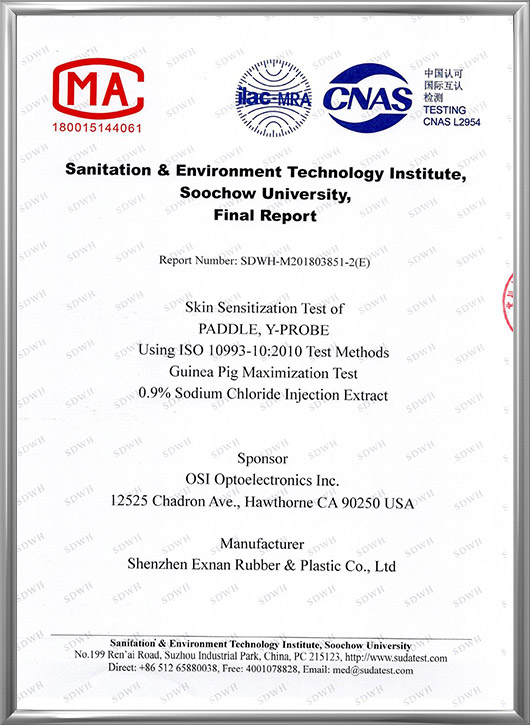
Skin sensitization test in guinea pigs using the maximization method with 0.9% sodium chloride injec
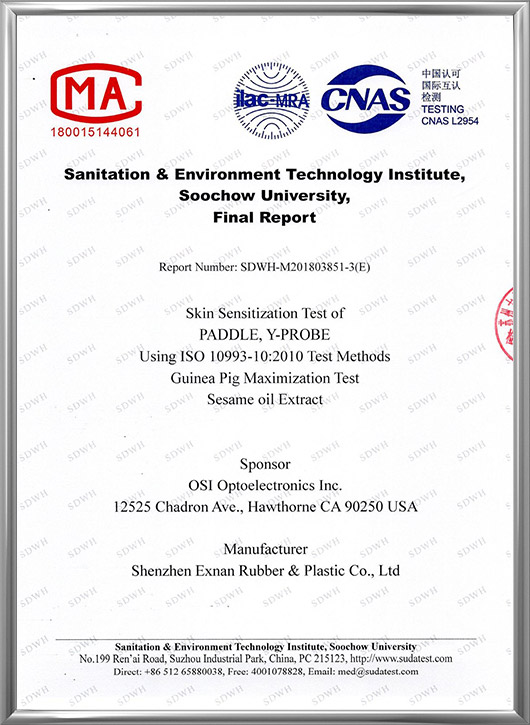
Skin sensitization test in guinea pigs:maximization method with sesame oil extraction
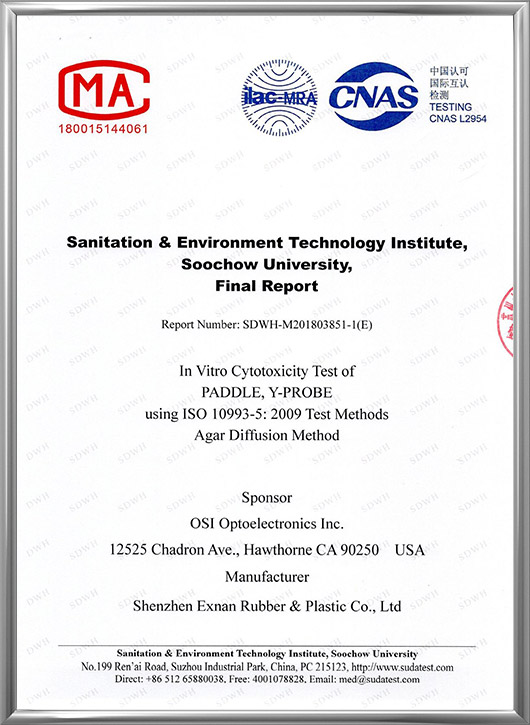
Cell toxicity test:agar diffusion method
Cooperating customers
Till now, Exnan products has been exports 35 countries, and more than 500 Medical equipment factory, health care companies, hospitals, clinics use our products, and win good reputation.




















New
Our silicone accessories meet international medical standards through strict quality control.
Ensure patient safety with our premium products. Explore our catalog today!
News
Our silicone accessories meet international medical standards through strict quality control.
Ensure patient safety with our premium products. Explore our catalog today!
The Role and Applications of Silicone Components in Medical Devices
Time: 2024-10-31 09:32:29
Author: Guangdong Exnan Technology Co.,Ltd
Click:
Silicone has become an indispensable material in the medical field, offering a myriad of benefits that make it ideal for a wide range of applications. This article delves into the many roles silicone components play in medical devices, highlighting why their use is so pervasive and valuable in this sector.

Silicone has become an indispensable material in the medical field, offering a myriad of benefits that make it ideal for a wide range of applications. This article delves into the many roles silicone components play in medical devices, highlighting why their use is so pervasive and valuable in this sector.
Properties of Silicone Relevant to Medical Applications
Silicone possesses several properties that make it highly suitable for medical applications. These traits ensure reliability, safety, and effectiveness in various medical devices. Here’s a closer look at the key properties:
1. Biocompatibility and Bio-inertness
- Biocompatibility: Silicone is widely recognized for its ability to coexist with biological tissues without causing adverse reactions. This is essential for any material used in medical implants or devices that are in prolonged contact with human tissues.
- Bio-inertness: Silicone does not interact negatively with bodily fluids or tissues, reducing the risk of inflammation or infection. This inertness is crucial for ensuring the safety and effectiveness of devices such as catheters and implants.
2. Physical Properties
- Temperature Resistance: Silicone can withstand a broad range of temperatures, making it suitable for both autoclaving and cold sterilization processes. This allows for safe and efficient sterilization without degrading the material.
- Flexibility and Elasticity: The flexibility of silicone allows it to conform to dynamic anatomical structures, maintaining comfort and functionality. Its elasticity ensures that it returns to its original shape after deformation, which is key for products like tubing and seals.
- Tear Strength and Durability: Despite its softness, silicone is robust and resistant to tearing. This durability ensures that silicone products maintain their integrity and function even under mechanical stress.

3. Chemical Resistance
- Resistance to Chemicals: Silicone's resistance to a wide range of chemical agents means it remains stable and effective even when exposed to various sterilizing chemicals. This is important for maintaining device hygiene and safety.
Common Silicone Components in Medical Devices
Silicone is extensively used in the medical field due to its versatile properties, making it a vital component in many medical devices. Here are some common applications of silicone in medical devices:
1. Surgical Tools and Accessories
- Overmolded Handles: Silicone is often used to create overmolded handles for surgical instruments. These handles provide a comfortable grip and are resistant to slipping, even in wet conditions.
- Seals and Gaskets: Silicone's flexibility and durability make it ideal for gaskets and seals that prevent fluid leaks and maintain sterile environments during surgical procedures.
2. Implantable Devices
- Short-term Implants: For devices that are intended to be in the body for a limited time, such as drainage tubes and temporary pacemaker leads, silicone offers the necessary biocompatibility and flexibility.
- Long-term Implants: Silicone is also used in permanent implants, such as joint replacements or breast implants, where its biocompatibility and inertness are crucial for avoiding adverse body reactions.
3. Diagnostic Equipment
- Keypad Covers: Silicone is used in the covers of keypads for diagnostic machines, providing durability and ease of cleaning, which is essential for maintaining hygiene standards.
- Electrical Insulations: In diagnostic equipment, silicone insulates electrical components, protecting them from moisture and maintaining the device's performance.

Advanced Applications of Silicone in Medical Devices
Silicone's properties make it suitable not only for traditional applications but also for advanced and innovative medical devices. Here are some advanced applications of silicone in the medical field:
1. Drug Delivery Systems
- Controlled Release Devices: Silicone is used in drug delivery implants that provide a controlled and sustained release of medication over time. These devices can be crucial in delivering hormones, pain medications, or cancer treatments directly to a target site, enhancing efficacy and reducing side effects.
2. Wearable Devices
- Biometric Sensors: Silicone is used in the encapsulation and protective coatings of sensors in wearable medical devices, such as fitness trackers and continuous glucose monitoring systems. Its flexibility and skin-friendliness make it comfortable for prolonged skin contact.
- Adhesive Patches: Advanced silicone adhesives are used for medical patches that monitor vital signs or administer drugs transdermally. These patches need to be safe for skin, breathable, and comfortable for extended wear.
3. Prosthetics and Orthotics
- Customizable Liners: Silicone is used in liners for prosthetic limbs due to its cushioning effect and ability to mimic the properties of skin, providing comfort and reducing friction at the interface between the limb and the prosthesis.
- Soft Actuators: In robotic prosthetics, silicone can be used to create soft actuators that mimic human muscle movements, providing a more natural range of motion.
4. Minimally Invasive Surgery Tools
- Balloon Catheters: Silicone is often used in the construction of balloon catheters due to its flexibility and strength, which allow for minimally invasive procedures like angioplasty. The material can be inflated without risking rupture, allowing it to navigate and dilate blood vessels efficiently.
- Flexible Endoscopes: Silicone coatings on flexible endoscopes enhance maneuverability and ensure durability as they navigate through the complex structures of the body during diagnostic or therapeutic procedures.
5. Regenerative Medicine and Tissue Engineering
- Scaffolds for Tissue Growth: Silicone is used in creating scaffolds that support the growth of tissues and organs in regenerative medicine. Its stability and ease of modification allow it to be used as a framework to guide cell growth and tissue development.
6. Advanced Implantable Electronics
- Neuroprosthetics: Silicone is critical in insulating and encasing components of neuroprosthetic devices, such as cochlear implants and brain-machine interfaces, ensuring electrical isolation and biocompatibility.
- Cardiac Devices: Silicone is used in pacemaker leads and other cardiac implants owing to its durability and biocompatibility, providing reliable performance in critical and continuous-use scenarios.

Manufacturing Processes for Silicone Components
The manufacturing processes for silicone components in medical devices are designed to capitalize on the material's versatility and ensure compliance with strict medical standards. Here are some of the key manufacturing techniques used:
1. Injection Molding
- Process: Silicone is heated until it becomes liquid and is then injected into a mold where it cools and solidifies into the desired shape.
- Applications: This method is ideal for producing complex shapes with high precision, such as seals, gaskets, and small intricate parts used in medical equipment.
2. Compression Molding
- Process: Pre-measured silicone material is placed into an open mold cavity. The mold is then closed and heat and pressure are applied to shape the silicone.
- Applications: Best suited for simpler shapes or larger components like orthopedic braces and mats. This process is cost-effective for high-volume production.
3. Extrusion
- Process: Silicone is forced through a die to create long continuous shapes with uniform cross-sections.
- Applications: Commonly used for creating tubing (like catheter tubes and respiratory hoses) and seals. The resulting products can be cut to length as needed.
4. Liquid Silicone Rubber (LSR) Molding
- Process: A two-component liquid silicone is mixed and injected into a mold, where it cures into a solid part.
- Applications: Ideal for producing flexible, durable parts with complex geometries, such as medical seals, valves, and high-precision components where biocompatibility is crucial.
5. Dip Molding and Coating
- Process: A mold or substrate is dipped into liquid silicone, forming a thin layer that is allowed to cure.
- Applications: Used for creating gloves, balloon catheters, or coatings on other materials to enhance biocompatibility and provide a smooth surface finish.
6. 3D Printing
- Process: Involves layer-by-layer addition of silicone material to build a shape based on digital models.
- Applications: Used for prototyping as well as custom parts that require precise design adjustments, like customized ear molds, prosthetic fabrication, and special orthopedic aids.
7. Cast Molding
- Process: Liquid silicone is poured into a mold and allowed to cure without applying high pressure.
- Applications: Suited for making parts that do not require high precision or complex features, such as pads or large, less detailed components.
8. Overmolding
- Process: Combines silicone with other materials by molding silicone onto or around another part, often a rigid substrate.
- Applications: Utilized for producing ergonomic handles for surgical tools and devices that require a combination of flexible and rigid components.

Challenges and Considerations
The design and geometry of silicone components, along with regulatory and safety considerations, pose significant challenges in the medical device industry. Here are some key challenges and considerations:
1. Design and Geometry Complexities
- Tooling and Molding Processes: Complex geometries can complicate the tooling process, leading to higher costs and longer production times. Precision is crucial, and minor variations can affect the final product's performance.
- Undercuts and Internal Features: Features like undercuts or internal channels may require more advanced molding techniques, such as insert molding, two-shot molding, or overmolding, which can increase complexity and cost.
- Wall Thickness and Uniformity: Variations in wall thickness can affect the flow of silicone during molding, leading to potential issues like voids, sinks, and uneven shrinkage.
2. Material Selection and Properties
- Biocompatibility: Ensuring that the silicone material is biocompatible and suitable for long-term implantation is critical. Materials must pass rigorous biocompatibility tests, such as those outlined by ISO 10993.
- Mechanical Properties: Silicone must meet specific mechanical requirements, such as tensile strength, elongation, and tear resistance, depending on the application.
- Chemical Resistance: The material should resist degradation from bodily fluids, disinfectants, and other chemicals commonly encountered in medical environments.
3. Regulatory and Safety Standards
- Compliance with FDA and CE Marking: Medical devices must comply with stringent regulatory standards, such as those set by the FDA in the United States and the EU's Medical Device Regulation (MDR).
- Quality Management Systems: Implementing and maintaining robust quality management systems (QMS) is essential to ensure consistent quality and compliance. ISO 13485 is a widely recognized standard for this purpose.
- Documentation and Traceability: Detailed documentation and traceability of materials, processes, and testing are required to meet regulatory requirements and facilitate recalls if necessary.
4. Manufacturing and Production
- Consistent Quality: Ensuring consistent quality across all production batches is crucial. Variations in raw materials, process parameters, and environmental conditions can affect the final product.
- Cleanroom Manufacturing: Many medical devices require production in controlled cleanroom environments to minimize contamination and ensure sterility.
- Automation and Advanced Technologies: Implementing automation and advanced manufacturing technologies can improve precision and efficiency, but requires significant investment and expertise.
5. Testing and Validation
- Physical and Mechanical Testing: Extensive testing is required to validate the physical and mechanical properties of the silicone components, including tensile testing, compression testing, and fatigue testing.
- Biological Testing: Biological testing, including cytotoxicity, sensitization, and irritation tests, is essential to ensure the material is safe for use in the human body.
- Long-Term Performance Testing: Long-term performance testing, such as aging and degradation studies, is necessary to ensure the device's durability and reliability over its intended lifespan.
6. Cost and Efficiency
- Tooling Costs: Advanced tooling for complex geometries can be expensive, and the initial investment can be significant.
- Production Efficiency: Optimizing the production process to reduce waste and improve throughput is critical for cost-effective manufacturing.
- Material Costs: High-quality medical-grade silicone can be costly, and material selection must balance performance requirements with budget constraints.
7. Environmental and Sustainability Considerations
- Eco-Friendly Materials: As sustainability becomes a growing concern, there is a trend towards using more eco-friendly and biodegradable silicone materials.
- Waste Management: Proper waste management and recycling practices are essential to minimize the environmental impact of silicone manufacturing processes.
Future Trends in Silicone Use in Medical Devices
The use of silicone in medical devices continues to evolve with advancements in technology and emerging healthcare needs. Here are some future trends in silicone use in medical devices:
1. Smart Medical Devices
- Integration with Electronics: As the demand for wearable health monitors and connected devices increases, silicone materials are being developed to incorporate sensors and electronics seamlessly. This includes stretchable silicone substrates that can house electronic circuits and sensors for real-time health monitoring.
- Enhanced Sensory Interfaces: Silicone's flexibility and comfort make it ideal for interfaces that gather biometric data, offering improved patient-device interaction.
2. Biocompatible and Drug-Delivering Implants
- Functionalization of Surfaces: Research is focused on modifying silicone surfaces to enhance biocompatibility and reduce infection rates. Antimicrobial coatings can be added to silicone implants and catheters to prevent bacterial growth.
- Drug-Eluting Devices: Silicone will increasingly be used in implants that release drugs at controlled rates, providing localized treatment and reducing systemic side effects.
3. Personalized Medicine
- Custom-Fit Implants and Devices: With advancements in imaging and 3D printing, silicone materials will be used to create customized medical devices tailored to individual patients, such as prosthetics or orthopedic supports.
- Patient-Specific Solutions: Developments in modeling and fabrication will allow for silicone devices that offer custom solutions for unique anatomical and medical challenges.
4. Regenerative Medicine and Tissue Engineering
- Advanced Scaffolds: Silicone will play a vital role in creating scaffolds that support cell growth and tissue regeneration. These scaffolds can be engineered to degrade over time as new tissue forms.
- Stem Cell Support: Modified silicone surfaces may be used to support stem cell attachment and differentiation, aiding in complex tissue engineering applications.
5. Enhanced Prosthetics and Robotics
- Soft Robotics: Silicone's unique mechanical properties will be leveraged in developing soft robotic components for advanced prosthetics, providing lifelike movements and improved dexterity.
- Responsive Materials: Future silicone materials may possess properties that allow them to respond dynamically to environmental changes, enhancing their utility in assistive devices.
6. Sustainable and Eco-Friendly Manufacturing
- Eco-Conscious Processes: As sustainability becomes more prominent, there is a trend towards more eco-friendly silicone manufacturing processes, reducing waste and energy consumption.
- Biodegradable Options: Research into biodegradable silicones could lead to medical devices that break down naturally after use, minimizing environmental impact.
7. Advanced Diagnostics
- Enhanced Imaging Compatibility: Silicone's transparency and flexibility are being harnessed to develop advanced imaging devices that offer clearer and more accurate diagnostic capabilities.
- In-situ Diagnostic Tools: New configurations of silicone materials may be used to create diagnostic tools that operate within the body, providing continuous monitoring and rapid results.
Conclusion
In conclusion, silicone components play a critical role in the development and functionality of medical devices. As technology and material science continue to advance, the scope for silicone's applications in this field only broadens. Companies like EXNAN are poised to drive innovation, delivering enhanced materials that not only meet current demands but also anticipate the future needs of the healthcare industry. For more in-depth insights, visiting credible sources such as MDPI and industry leaders like EXNAN can provide further valuable information and updates on silicone technologies.

点击右上角
分享给朋友吧







 Long by picture save/share
0
Prev : How Does Medical Silicone Work?
Next : The Critical Role of Silicone Components in Medical Devices
文章推荐
Silicone Parts Fail After Sterilization: 5 Proven Fixes
Medical Silicone vs. TPE/TPU: Why Is Silicone Still the Preferred Material for Medical Consumables?
Medical Silicone Mold Design: The First Gateway to Product Precision
New Requirements of ISO13485:2016 for Medical Silicone Suppliers
Medical Silicone Consumables Market Sees New Growth: Respiratory Equipment Drives Demand for Precision Components
Related news recommendations —
Related Products —




News Products —
INQUIRY


Add Successfully

Hey there, I’m Steve!
15+ years in medical silicone accessories, linking manufacturers and healthcare providers for compliant, high-quality products. Trusted advisor focused on innovation and patient care. If you are looking for custom-made silicone rubber products, feel free to ask me any questions.
Hey there, I’m Steve!
15+ years in medical silicone accessories, linking manufacturers and healthcare providers for compliant, high-quality products. Trusted advisor focused on innovation and patient care. If you are looking for custom-made silicone rubber products, feel free to ask me any questions.
Welcome to contact us
If you have any questions, please fill in the relevant information. Weare very willing to provide more information and a full range ofservices for both you and your company
Welcome to contact us
If you have any questions, please fill in the relevant information. Weare very willing to provide more information and a full range ofservices for both you and your company
EXNAN
点击右上角
分享给朋友吧
Copyright © 2004-2024 Guangdong Exnan Technology Co.,Ltd
点击右上角
分享给朋友吧
Copyright © 2004-2024 Guangdong Exnan Technology Co.,Ltd

 +86-0752-3869959 / 3869960
 +86 180 0752 8206
 Building 8, China-Korea Emerging Intelligent Manufacturing Industrial Park, No.27, Songbailing Road, China-Korea (Huizhou) Industrial Park, Zhongkai Area, Huizhou City, Guangdong Province, China

WeChat scan
