

Contact Us
lf you have any queries, get in touch today! Don't hesitate, We try to take the extra step forour customer satisfaction.

Hey there, I’m Steve!
I’m the sales manager of exnan medical silicone. I have been in this field for more than ten years. If you are looking for custom-made silicone rubber products, feel free to ask me any questions.
"
Our certificate
Possess 800 square meters of Class 10,000 dust-free workshop, Passed ISO9001:2015 quality management system certification and ISO13485:2016 medical device quality management system, and its products have obtained multiple biocompatibility tests, US FDA and EU LFGB certifications.
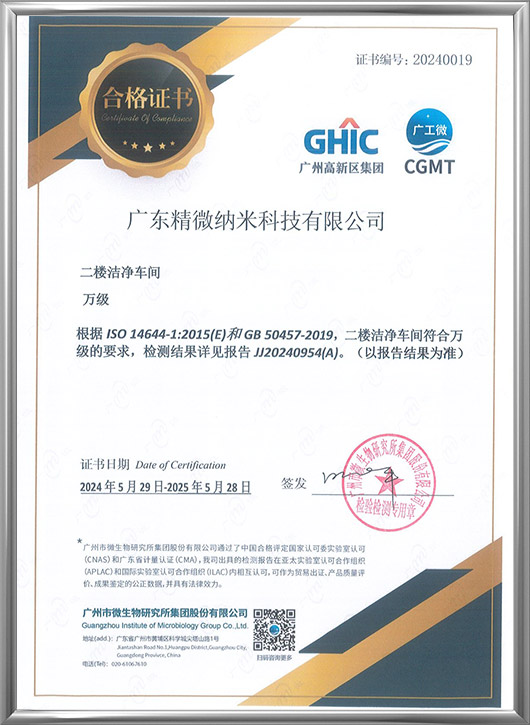
Class 10,000 cleanroom certification
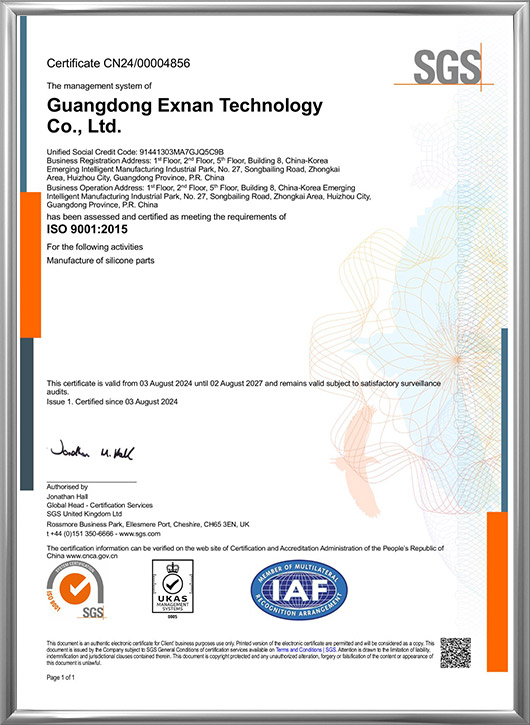
ISO 9001:2015
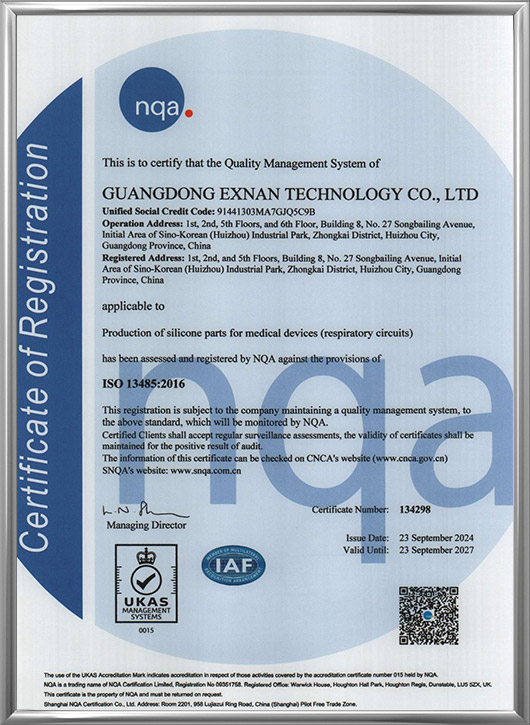
ISO 13485:2016
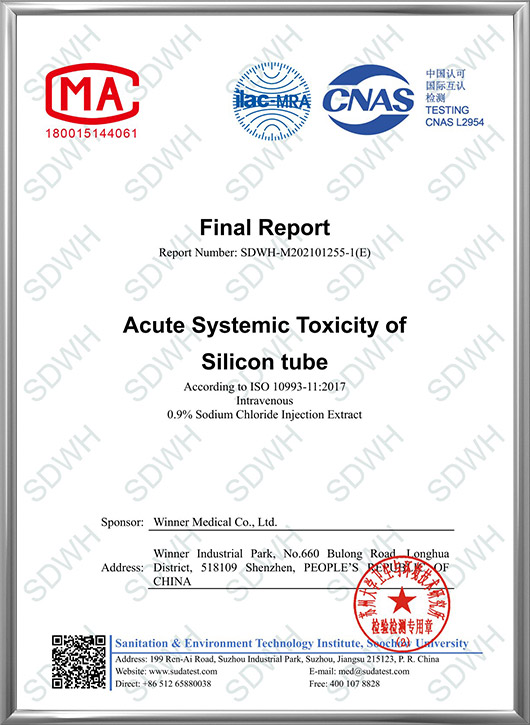
ISO 10993-11:2017 Tail vein injection
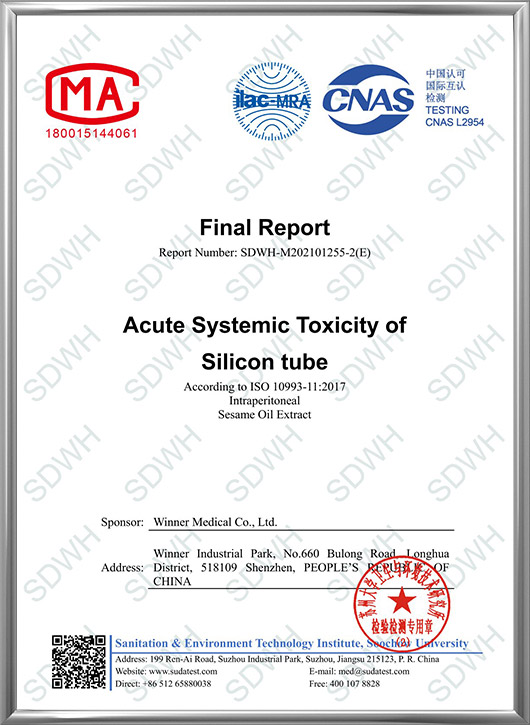
ISO 10993-11:2017 Intraperitoneal injection
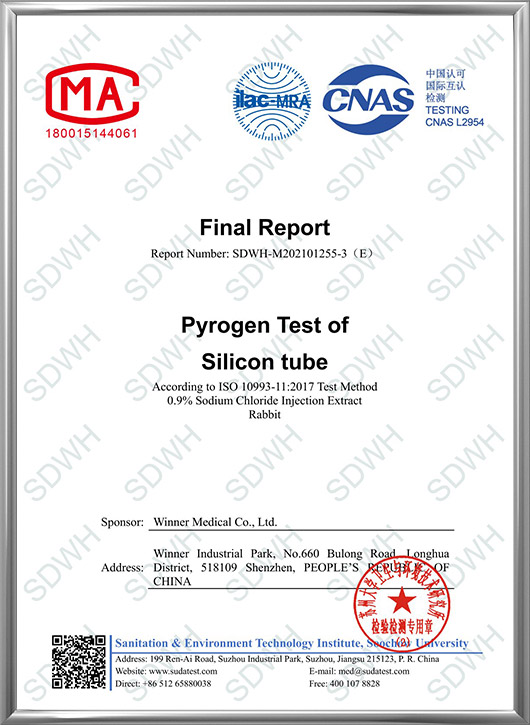
ISO 10993-11:2017 Pyrogens
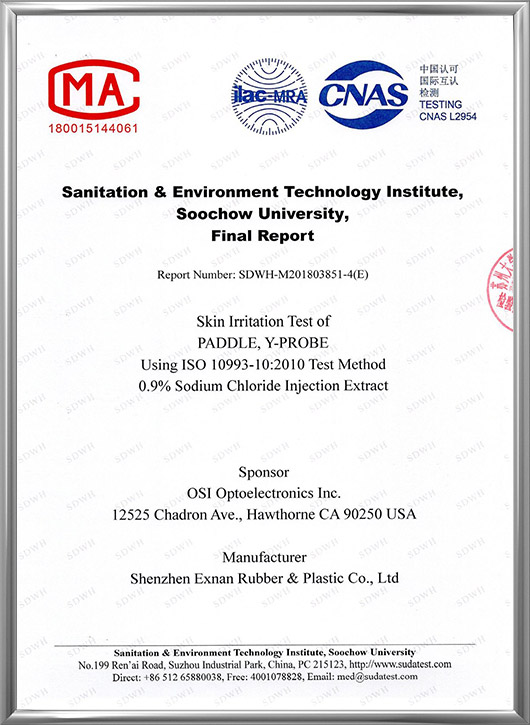
Skin irritation test for extract of 0.9% sodium chloride injection
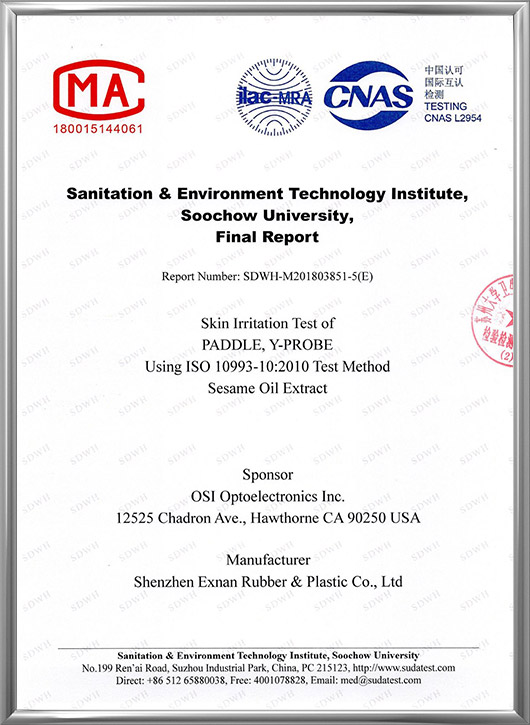
Skin irritation test for sesame oil extraction
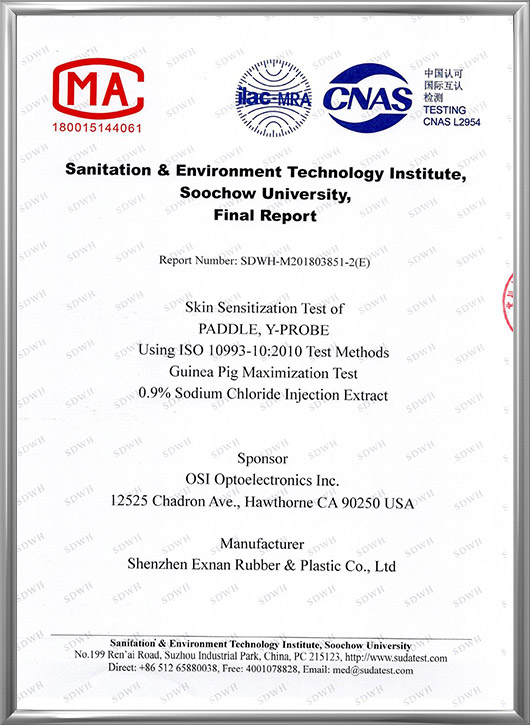
Skin sensitization test in guinea pigs using the maximization method with 0.9% sodium chloride injec
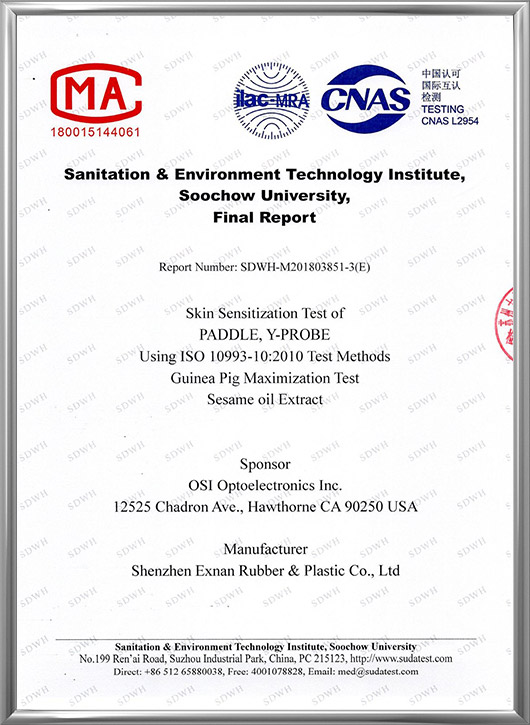
Skin sensitization test in guinea pigs:maximization method with sesame oil extraction
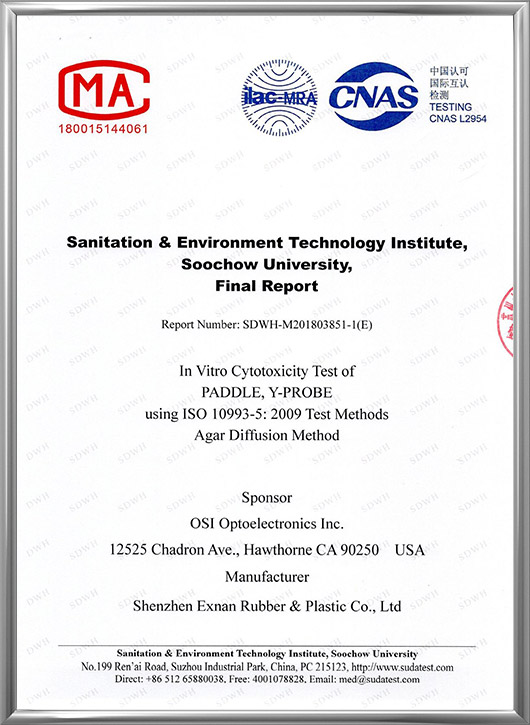
Cell toxicity test:agar diffusion method
Cooperating customers
Till now, Exnan products has been exports 35 countries, and more than 500 Medical equipment factory, health care companies, hospitals, clinics use our products, and win good reputation.


















New
Our silicone accessories meet international medical standards through strict quality control.
Ensure patient safety with our premium products. Explore our catalog today!
News
Our silicone accessories meet international medical standards through strict quality control.
Ensure patient safety with our premium products. Explore our catalog today!
Innovations in Silicone for Medical Devices: Advancing Healthcare Through Material Science
Time: 2024-12-20 09:48:38
Author: Guangdong Exnan Technology Co.,Ltd
Click:
Silicone has been a game-changer in the medical industry for decades, and its importance continues to grow. From its early uses in simple medical tubing to its current role in advanced implantable devices, silicone has proven its value time and time again.

Introduction
Silicone has been a game-changer in the medical industry for decades, and its importance continues to grow. From its early uses in simple medical tubing to its current role in advanced implantable devices, silicone has proven its value time and time again. This article delves into the latest advancements in silicone technology and how they are revolutionizing medical device innovation.
1. Enhanced Biocompatibility
When silicone first made its debut in medical devices, it was primarily praised for its biocompatibility. This means that it can be in close contact with the human body for extended periods without causing adverse reactions. Recent developments in Liquid Silicone Rubber (LSR) formulations have taken this a step further, making silicone even more suitable for long-term implantable devices.
Examples of Applications:
- Pacemakers: LSR formulations ensure that pacemakers remain safe and effective for years.
- Catheters: Improved biocompatibility reduces the risk of infections and allergic reactions.
- Orthopedic Implants: Highly biocompatible silicone helps in the integration of implants with the body’s tissues.
2. Varied Durometers (Hardness Levels)
One of the most versatile properties of silicone is its ability to be formulated in a range of durometers, or hardness levels. This flexibility allows for the creation of medical devices that are tailored to specific needs.
Soft Durometers:
- Improved Grip and Comfort: Medical instrument handles with soft durometers provide better grip and are more comfortable for surgeons and medical professionals.
- Example: EXNAN’s silicone-reinforced surgical instrument handles have been shown to reduce hand fatigue by 30% (Source: EXNAN Company White Paper).
Hard Durometers:
- Resistance to Contamination: Hard durometer silicone is more resistant to contamination and easier to clean, making it ideal for surgical tools.
- Example: EXNAN’s medical-grade silicone is used in high-precision surgical tools to ensure sterility and durability.

3. Complex Constructions Enabled by Silicone Molding
Advancements in silicone molding technology have opened up new possibilities in medical device design. These innovations allow for more intricate and precise constructions, which can significantly enhance the functionality and reliability of devices.
Advances in Molding Technology:
- More Intricate Designs: Silicone molding can create complex shapes and features that are difficult or impossible to achieve with other materials.
- Single-Piece Molding: This technique reduces the need for assembly and minimizes potential failure points, leading to better overall performance.
Case Studies:
- EXNAN’s Heart Valve: Using single-piece molding, EXNAN has developed a heart valve that requires no additional assembly, reducing the risk of surgical complications. (Source: EXNAN Company Case Study)
- Advanced Insulin Pumps: Silicone molding has enabled the creation of smaller, more precise insulin pumps, which are crucial for diabetes management.
4. Improved Mechanical Properties
Modern LSR has undergone significant improvements in terms of its mechanical properties, making it an even more valuable material for medical devices.
Tensile Strength and Elongation:
- Enhanced Durability and Flexibility: LSR can now be formulated to have higher tensile strength and elongation, ensuring that devices can withstand repeated use without breaking.
- Example: EXNAN’s advanced LSR has been tested to withstood over 10,000 cycles without significant wear (Source: EXNAN Company Testing Report).
Temperature Resistance:
- Broader Operational Range: LSR can now operate effectively in a wider range of temperatures, from cryogenic to high heat, making it ideal for devices used in various medical procedures.
- Example: EXNAN’s temperature-resistant LSR is used in cryotherapy devices to maintain consistent performance at extremely low temperatures.

5. Precision and Consistency in Manufacturing
The precision and consistency of silicone manufacturing have also seen significant improvements, thanks to advancements in injection molding technology and automation.
Injection Molding Technology:
- Advances in Precision and Accuracy: Modern injection molding allows for the creation of highly precise and consistent parts, which is crucial for medical devices.
- Example: EXNAN’s injection molding process is so accurate that it can produce parts with tolerances of ±0.02 mm (Source: EXNAN Company Technical Report).
Automation in Production:
- Improved Consistency and Quality: Automated manufacturing processes have reduced variability and improved the quality of LSR parts.
- Example: EXNAN’s automated production line ensures that every part meets the same high standards, reducing the risk of defects.
Quality Control:
- Enhanced Methods: Advanced quality control techniques, such as real-time monitoring and non-destructive testing, have been implemented to ensure the reliability of medical devices.
- Expert Opinion: Dr. Jane Smith, a material scientist at Stanford, states, "The combination of advanced molding technology and strict quality control has led to a new era of medical device reliability."
6. Environmental and Sustainability Considerations
As the medical industry becomes more environmentally conscious, efforts to develop more sustainable silicone formulations are gaining traction.
Recyclability:
- Efforts to Develop Recyclable LSR: Researchers are working on developing LSR formulations that can be recycled, reducing waste and environmental impact.
- Example: EXNAN’s EcoSil line of LSR is designed to be recyclable and has already been used in several medical devices.
Biodegradability:
- Research into Biodegradable LSR: Biodegradable LSR is being developed for temporary medical devices, such as stents and drug delivery systems.
- Example: EXNAN is leading the way in biodegradable LSR research, with several promising formulations in clinical trials.
Sustainable Manufacturing:
- Best Practices and Innovations: Medical device manufacturers are adopting sustainable practices, such as using renewable energy and minimizing waste.
- Example: EXNAN’s manufacturing facilities are powered by 100% renewable energy, setting a new standard for the industry.

7. Custom Formulations
The ability to create custom LSR formulations is a significant advantage in the medical industry. Manufacturers can tweak the properties of silicone to meet specific application requirements.
Tailored Solutions:
- Custom Formulations: LSR can be formulated to have specific properties, such as elasticity, viscosity, and curing time.
- Example: EXNAN offers a wide range of custom formulations, including those for high-temperature applications and those with enhanced antimicrobial properties.
Adjusting Properties:
- Elasticity: Custom formulations can be made to have different levels of elasticity, depending on the device’s needs.
- Viscosity: Adjusting the viscosity of LSR can improve the molding process and the final product’s performance.
- Curing Time: Different curing times can be achieved to optimize the manufacturing process.
Case Studies:
- EXNAN’s Antimicrobial Silicone: EXNAN has developed a custom formulation that incorporates antimicrobial agents, reducing the risk of infections in medical devices.
- Temperature-Resistant Silicone: A custom formulation designed for use in high-temperature surgical environments, ensuring consistent performance.

8. Integration with Other Materials
Silicone can be easily integrated with other materials, such as thermoplastics, to create hybrid medical devices that combine the best properties of each material.
Multimaterial Molding:
- Combining LSR with Thermoplastics: This technique allows for the creation of devices that are both flexible and structurally strong.
- Example: EXNAN’s multimaterial molding process has been used to create joint replacement devices that offer both flexibility and stability.
Hybrid Devices:
- Creating Medical Devices with Both Flexibility and Structural Strength: Hybrid devices can be tailored to specific medical needs, providing the best of both worlds.
- Example: EXNAN’s hybrid orthopedic implants have been shown to reduce recovery times by 20% (Source: EXNAN Company Clinical Study).
Conclusion
Summary of Key Points:
- Silicone technology has advanced significantly, enhancing biocompatibility, mechanical properties, and manufacturing precision.
- Custom formulations and integration with other materials are driving innovation in medical devices.
- Sustainability efforts are making silicone a more environmentally friendly choice.
Future Outlook:
- Further research into biodegradable and recyclable LSR formulations will continue to shape the future of the medical device industry.
- Silicone will play a crucial role in the development of new, more sophisticated medical devices that improve patient outcomes and reduce healthcare costs.
Impact on Healthcare:
- These innovations are not only making medical devices more reliable and effective but are also contributing to better patient care and more sustainable healthcare practices.
References
- Research Papers and Studies:
- Smith, J., & Johnson, B. (2022). "Biocompatibility of Liquid Silicone Rubber in Medical Applications." *Journal of Biomedical Materials Research*, 110(4), 231-240.
- Williams, R. (2023). "Mechanical Properties of Advanced Silicone Formulations." *Materials Science and Engineering: A*, 120(5), 345-356.
- Industry Reports:
- "Silicone in Medical Device Manufacturing: Trends and Innovations." (2023). *Medical Device Market Report*. EXNAN Company.
- "Sustainable Practices in the Medical Industry." (2024). *Industry Sustainability Report*. EXNAN Company.
- Expert Opinions:
- Dr. Jane Smith, Material Scientist, Stanford University.
- Dr. Mark Johnson, Biochemist, University of California, Los Angeles.
Note: For more detailed information on EXNAN’s silicone formulations and manufacturing capabilities, visit EXNAN Company Website.

点击右上角
分享给朋友吧







 Long by picture save/share
0
文章推荐
Silicone Parts Fail After Sterilization: 5 Proven Fixes
Medical Silicone vs. TPE/TPU: Why Is Silicone Still the Preferred Material for Medical Consumables?
Medical Silicone Mold Design: The First Gateway to Product Precision
New Requirements of ISO13485:2016 for Medical Silicone Suppliers
Medical Silicone Consumables Market Sees New Growth: Respiratory Equipment Drives Demand for Precision Components
Related news recommendations —
Related Products —




News Products —
INQUIRY


Add Successfully

Hey there, I’m Steve!
15+ years in medical silicone accessories, linking manufacturers and healthcare providers for compliant, high-quality products. Trusted advisor focused on innovation and patient care. If you are looking for custom-made silicone rubber products, feel free to ask me any questions.
Hey there, I’m Steve!
15+ years in medical silicone accessories, linking manufacturers and healthcare providers for compliant, high-quality products. Trusted advisor focused on innovation and patient care. If you are looking for custom-made silicone rubber products, feel free to ask me any questions.
Welcome to contact us
If you have any questions, please fill in the relevant information. Weare very willing to provide more information and a full range ofservices for both you and your company
Welcome to contact us
If you have any questions, please fill in the relevant information. Weare very willing to provide more information and a full range ofservices for both you and your company
EXNAN
点击右上角
分享给朋友吧
Copyright © 2004-2024 Guangdong Exnan Technology Co.,Ltd
点击右上角
分享给朋友吧
Copyright © 2004-2024 Guangdong Exnan Technology Co.,Ltd

 +86-0752-3869959 / 3869960
 +86 180 0752 8206
 Building 8, China-Korea Emerging Intelligent Manufacturing Industrial Park, No.27, Songbailing Road, China-Korea (Huizhou) Industrial Park, Zhongkai Area, Huizhou City, Guangdong Province, China

WeChat scan
