

Contact Us
lf you have any queries, get in touch today! Don't hesitate, We try to take the extra step forour customer satisfaction.

Hey there, I’m Steve!
I’m the sales manager of exnan medical silicone. I have been in this field for more than ten years. If you are looking for custom-made silicone rubber products, feel free to ask me any questions.
"
Our certificate
Possess 800 square meters of Class 10,000 dust-free workshop, Passed ISO9001:2015 quality management system certification and ISO13485:2016 medical device quality management system, and its products have obtained multiple biocompatibility tests, US FDA and EU LFGB certifications.
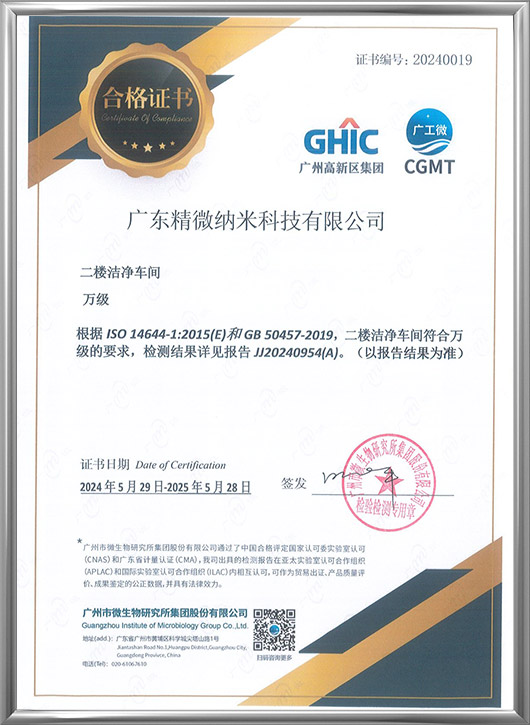
Class 10,000 cleanroom certification
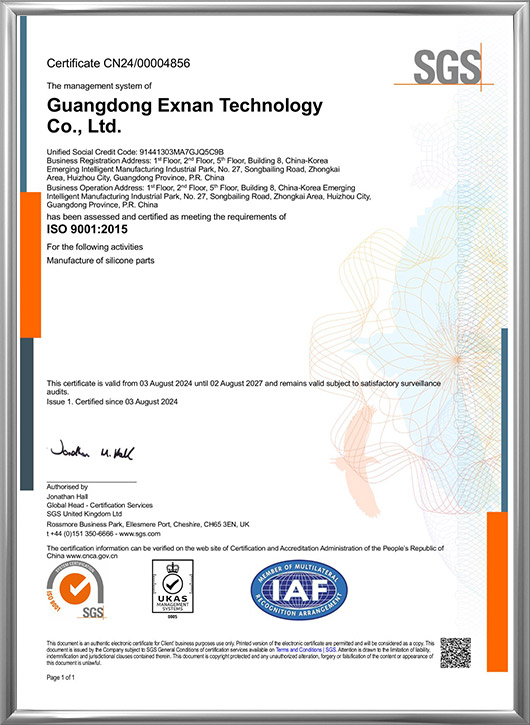
ISO 9001:2015
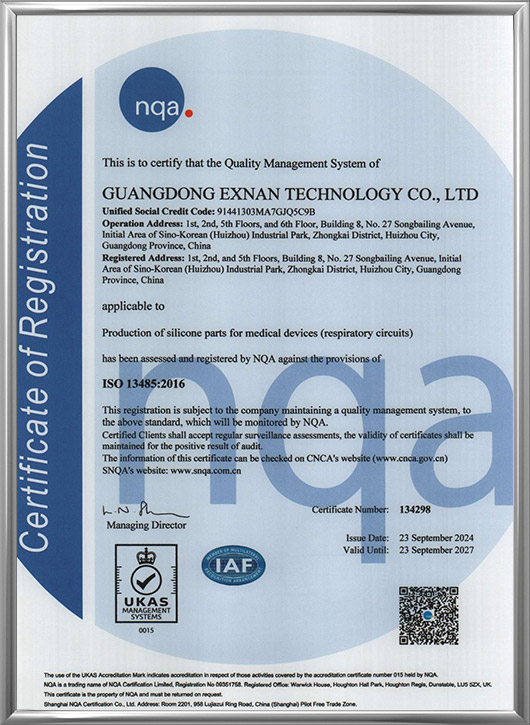
ISO 13485:2016
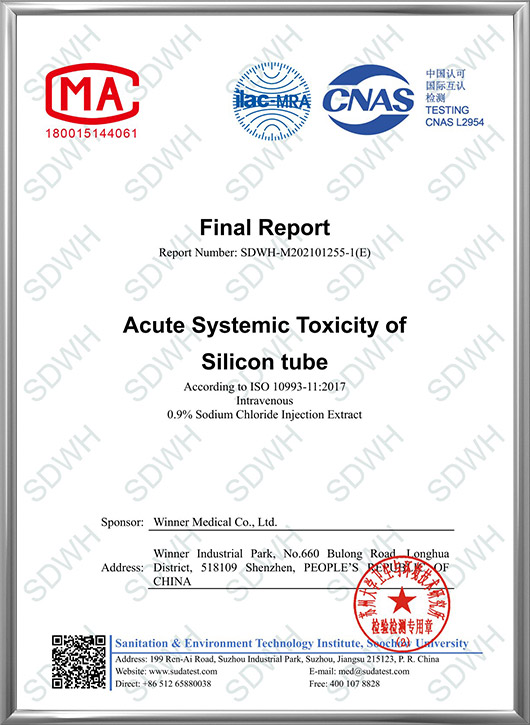
ISO 10993-11:2017 Tail vein injection
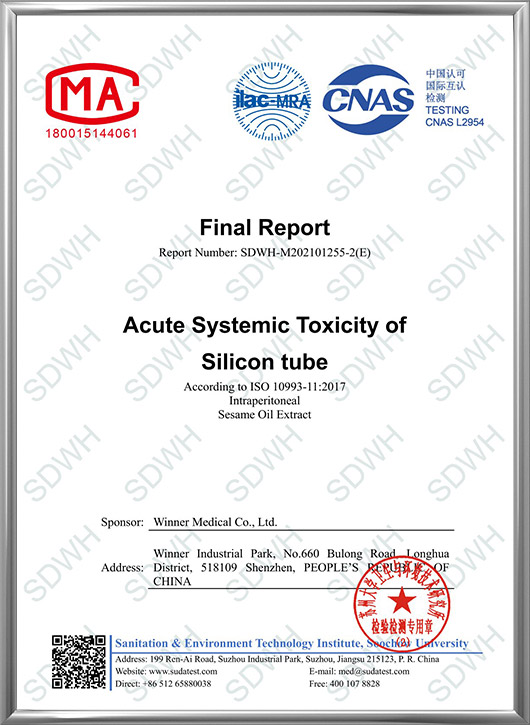
ISO 10993-11:2017 Intraperitoneal injection
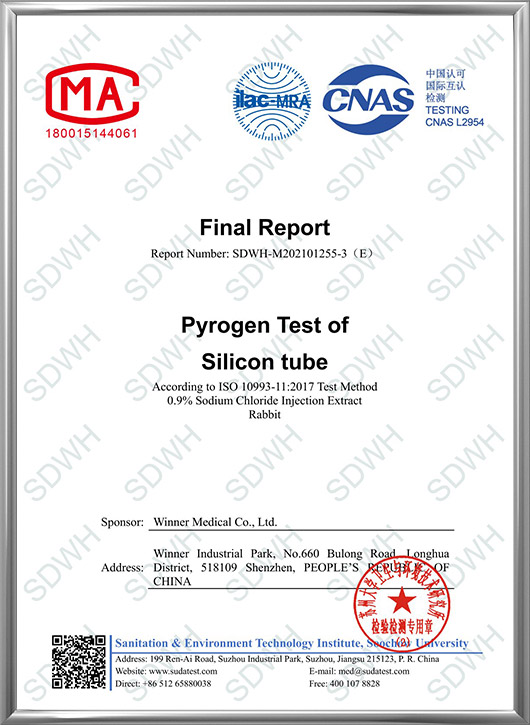
ISO 10993-11:2017 Pyrogens
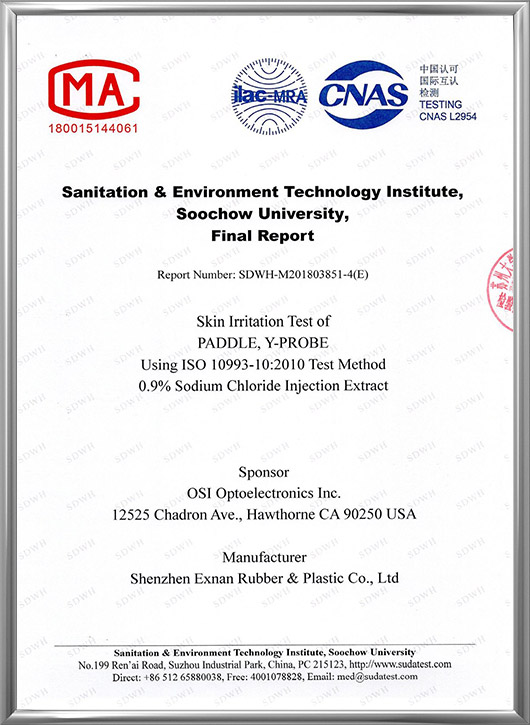
Skin irritation test for extract of 0.9% sodium chloride injection
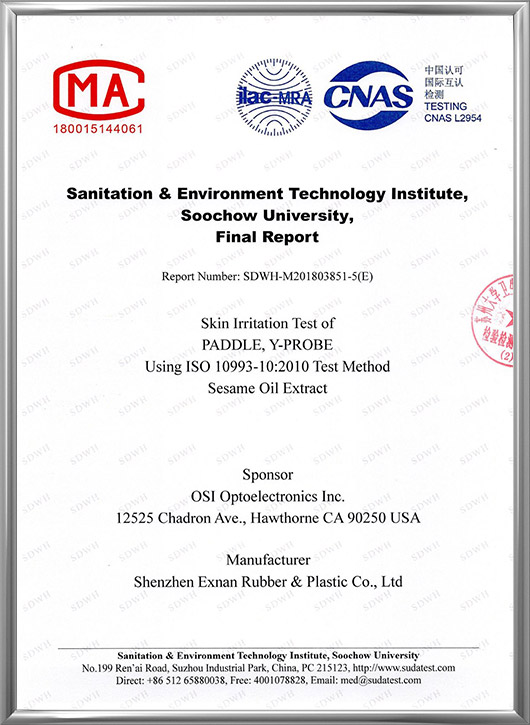
Skin irritation test for sesame oil extraction
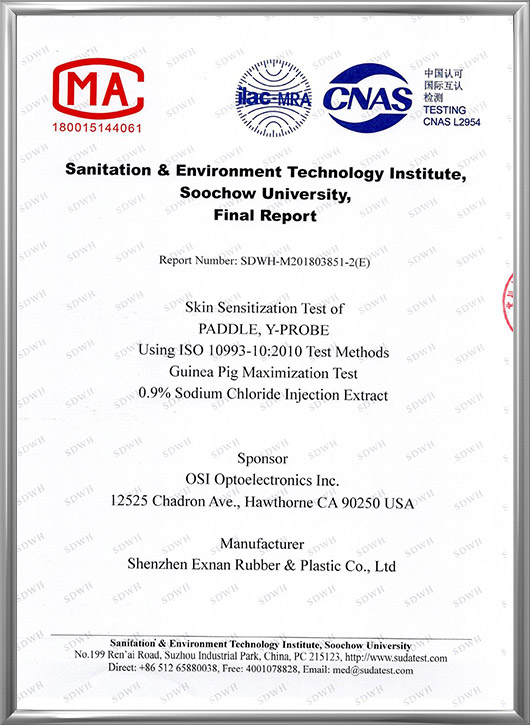
Skin sensitization test in guinea pigs using the maximization method with 0.9% sodium chloride injec
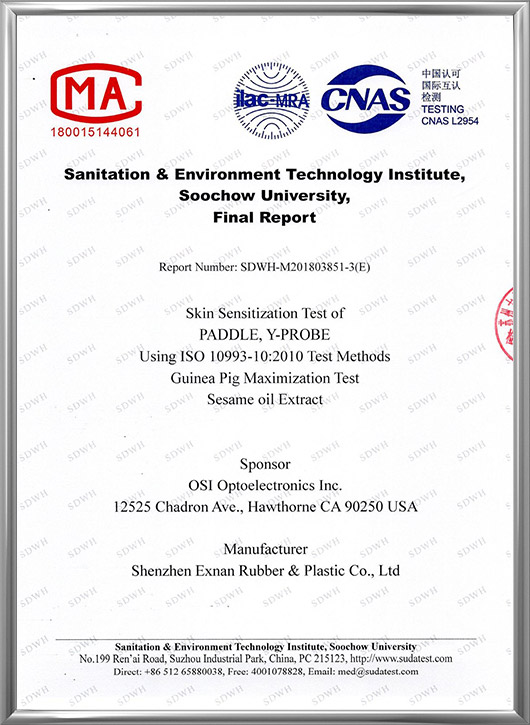
Skin sensitization test in guinea pigs:maximization method with sesame oil extraction
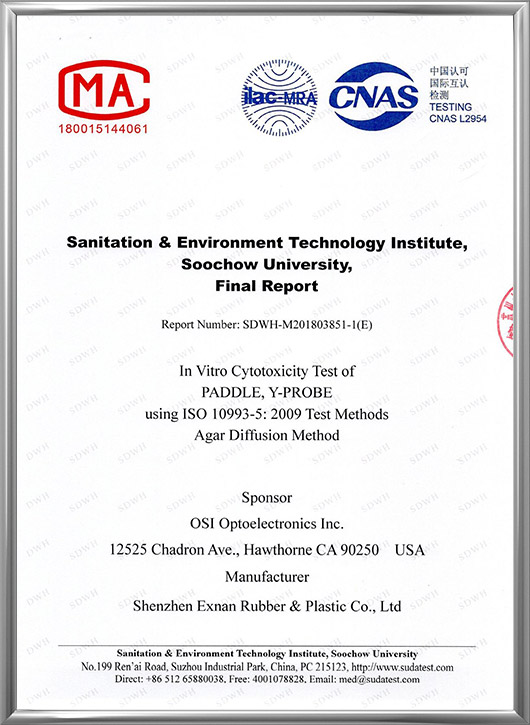
Cell toxicity test:agar diffusion method
Cooperating customers
Till now, Exnan products has been exports 35 countries, and more than 500 Medical equipment factory, health care companies, hospitals, clinics use our products, and win good reputation.


















New
Our silicone accessories meet international medical standards through strict quality control.
Ensure patient safety with our premium products. Explore our catalog today!
News
Our silicone accessories meet international medical standards through strict quality control.
Ensure patient safety with our premium products. Explore our catalog today!
How IoT Revolutionizes Medical Component Lifecycle Management
Time: 2025-02-28 10:28:20
Author: Guangdong Exnan Technology Co.,Ltd
Click:
Did you know that 12% of medical device recalls are linked to supply chain or manufacturing flaws? Imagine the risks: delayed treatments, compromised patient safety, and skyrocketing costs. But what if you could track every component from factory to disposal—in real time?

Introduction
Hook:
Did you know that 12% of medical device recalls are linked to supply chain or manufacturing flaws? Imagine the risks: delayed treatments, compromised patient safety, and skyrocketing costs. But what if you could track every component from factory to disposal—in real time?
Background:
The Internet of Things (IoT)—a network of interconnected sensors and devices—is transforming healthcare. For medical components like silicone seals, catheters, or implantable parts, IoT isn’t just a buzzword; it’s a lifeline. These components undergo a complex journey: production, distribution, clinical use, and disposal. One weak link in this chain can have dire consequences.

Thesis:
IoT isn’t just streamlining processes—it’s redefining safety and efficiency across the medical component lifecycle. Let’s explore how.

I. Production & Manufacturing: Precision at Every Step
Quality Control
IoT-enabled sensors embedded in manufacturing equipment (e.g., injection molding machines for silicone parts) monitor variables like temperature, pressure, and cycle times. For example, EXNAN’s SmartFactory Suite uses real-time analytics to flag deviations (e.g., a 2°C drop in curing temperature) before defective batches occur. Result? 30% fewer recalls and ISO 13485 compliance made effortless.
Supply Chain Transparency
Track raw materials like medical-grade silicone from suppliers to production lines. IoT tags prevent counterfeit materials—a critical concern when 8% of global medical devices are fake. EXNAN’s Blockchain-IoT integration ensures tamper-proof records, so you’ll never risk using unverified materials.
II. Distribution & Storage: No More Guesswork
Environmental Monitoring
Silicone components degrade if exposed to humidity or temperature swings. IoT sensors in shipping containers (like EXNAN’s NanoTrackers) send alerts if conditions stray from thresholds. A hospital in Germany reduced spoilage by 40% using this system.
Smart Inventory Management
IoT-powered RFID tags automate stock counts and expiration tracking. No more manual checks—just real-time dashboards showing shelf life, location, and reorder alerts.

III. Usage Phase: Safety Beyond the OR
Patient Safety
IoT-enabled components (e.g., smart infusion pumps) transmit performance data. If a silicone valve shows unusual resistance, maintenance teams get notified before failure.
Predictive Maintenance
Hospitals using EXNAN’s HealthGuard Platform report 50% less downtime for critical devices. Sensors predict wear-and-tear, scheduling repairs during low-usage periods.

IV. Disposal: Sustainability Meets Compliance
Track-and-Trace for Waste
IoT tags ensure hazardous components (e.g., radioactive or biohazard materials) are disposed of correctly. EXNAN’s EcoCycle System automates compliance reports, saving hours of manual paperwork.
Recycling Opportunities
Data from IoT sensors identifies reusable materials. A UK hospital recycled 1.2 tons of silicone waste annually by analyzing IoT-generated lifecycle reports.

Challenges? Solutions Exist.
- Security: EXNAN uses end-to-end encryption and HIPAA-compliant protocols.
- Interoperability: Our systems integrate with major EHR platforms (Epic, Cerner).
- Cost: ROI kicks in fast—Clients see payback within 18 months.
Conclusion
IoT isn’t the future—it’s the now for medical component management. From ensuring defect-free silicone seals to automating disposal compliance, the benefits are undeniable.
Ready to future-proof your supply chain?
EXNAN offers tailored IoT solutions for medical manufacturers.
References
1. FDA Report on Medical Device Recalls (2024)
2. WHO: Counterfeit Medical Products (2023)
3. Case Study: Berlin Medical Center
4. IoT ROI in Healthcare (McKinsey, 2025)

点击右上角
分享给朋友吧







 Long by picture save/share
0
Prev : How AI & Automation Are Reshaping Medical Silicone Parts Manufacturing
Next : The Latest Trends in the Global Market for Medical Silicone Parts
文章推荐
Silicone Parts Fail After Sterilization: 5 Proven Fixes
Medical Silicone vs. TPE/TPU: Why Is Silicone Still the Preferred Material for Medical Consumables?
Medical Silicone Mold Design: The First Gateway to Product Precision
New Requirements of ISO13485:2016 for Medical Silicone Suppliers
Medical Silicone Consumables Market Sees New Growth: Respiratory Equipment Drives Demand for Precision Components
Related news recommendations —
Related Products —



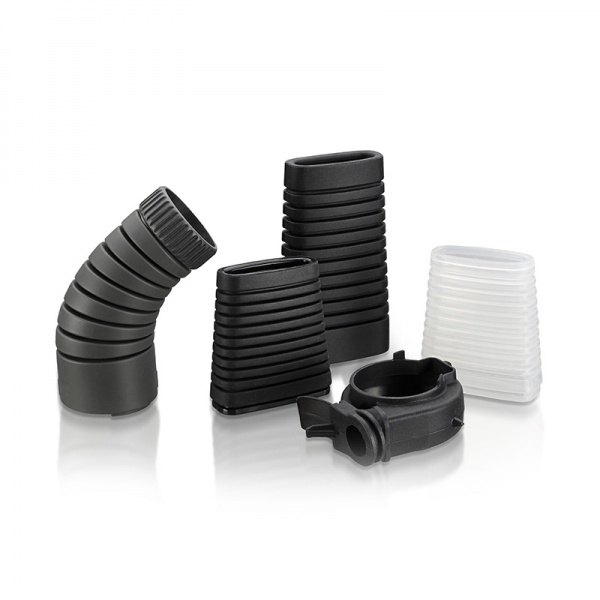

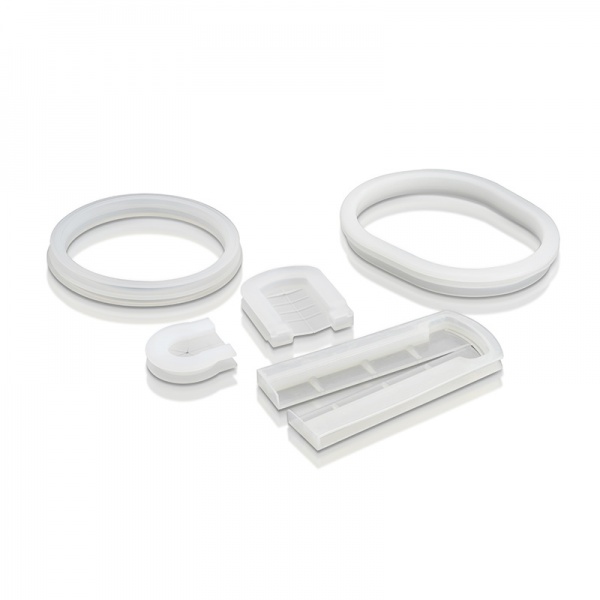
News Products —
INQUIRY


Add Successfully

Hey there, I’m Steve!
15+ years in medical silicone accessories, linking manufacturers and healthcare providers for compliant, high-quality products. Trusted advisor focused on innovation and patient care. If you are looking for custom-made silicone rubber products, feel free to ask me any questions.
Hey there, I’m Steve!
15+ years in medical silicone accessories, linking manufacturers and healthcare providers for compliant, high-quality products. Trusted advisor focused on innovation and patient care. If you are looking for custom-made silicone rubber products, feel free to ask me any questions.
Welcome to contact us
If you have any questions, please fill in the relevant information. Weare very willing to provide more information and a full range ofservices for both you and your company
Welcome to contact us
If you have any questions, please fill in the relevant information. Weare very willing to provide more information and a full range ofservices for both you and your company
EXNAN
点击右上角
分享给朋友吧
Copyright © 2004-2024 Guangdong Exnan Technology Co.,Ltd
点击右上角
分享给朋友吧
Copyright © 2004-2024 Guangdong Exnan Technology Co.,Ltd

 +86-0752-3869959 / 3869960
 +86 180 0752 8206
 Building 8, China-Korea Emerging Intelligent Manufacturing Industrial Park, No.27, Songbailing Road, China-Korea (Huizhou) Industrial Park, Zhongkai Area, Huizhou City, Guangdong Province, China

WeChat scan
