

Contact Us
lf you have any queries, get in touch today! Don't hesitate, We try to take the extra step forour customer satisfaction.

Hey there, I’m Steve!
I’m the sales manager of exnan medical silicone. I have been in this field for more than ten years. If you are looking for custom-made silicone rubber products, feel free to ask me any questions.
"
Our certificate
Possess 800 square meters of Class 10,000 dust-free workshop, Passed ISO9001:2015 quality management system certification and ISO13485:2016 medical device quality management system, and its products have obtained multiple biocompatibility tests, US FDA and EU LFGB certifications.
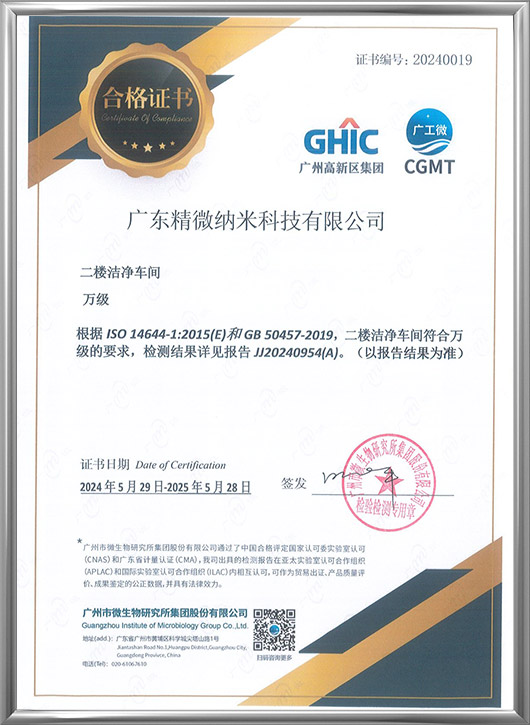
Class 10,000 cleanroom certification
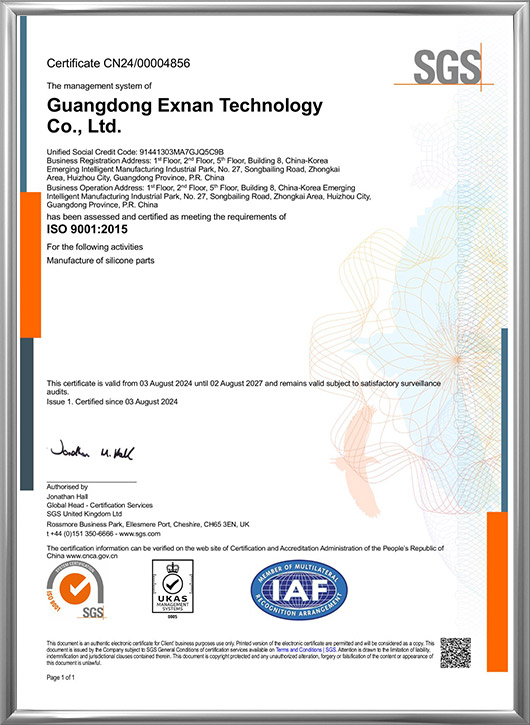
ISO 9001:2015
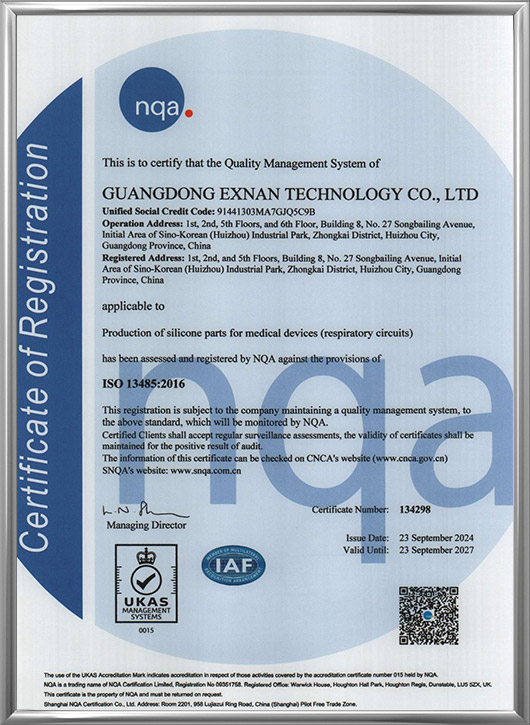
ISO 13485:2016
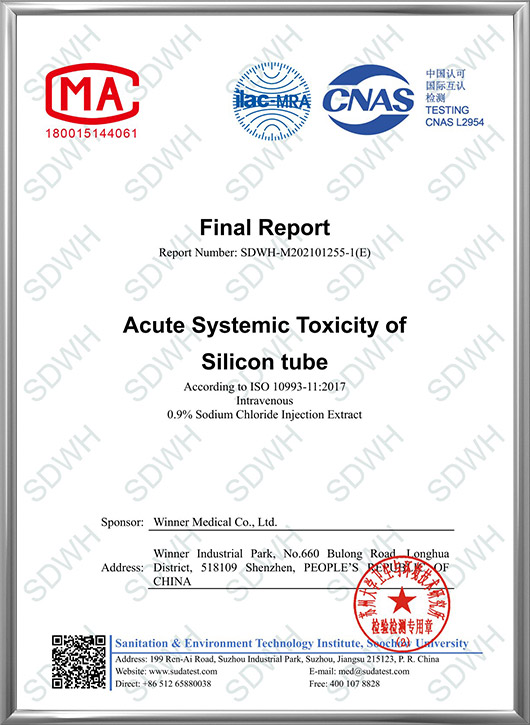
ISO 10993-11:2017 Tail vein injection
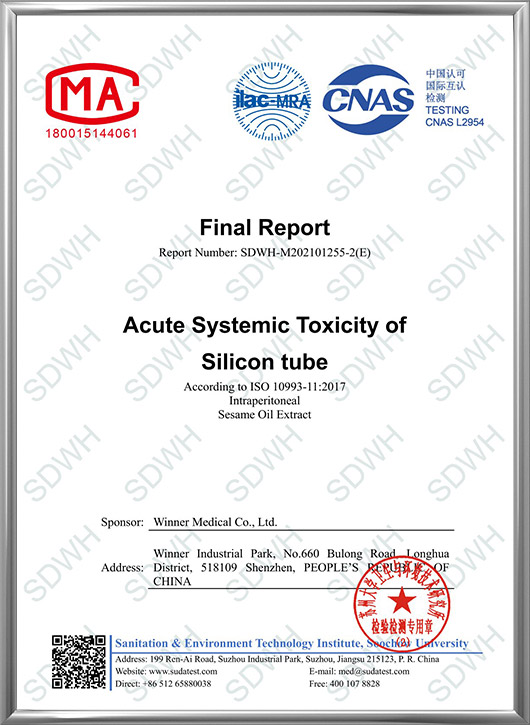
ISO 10993-11:2017 Intraperitoneal injection
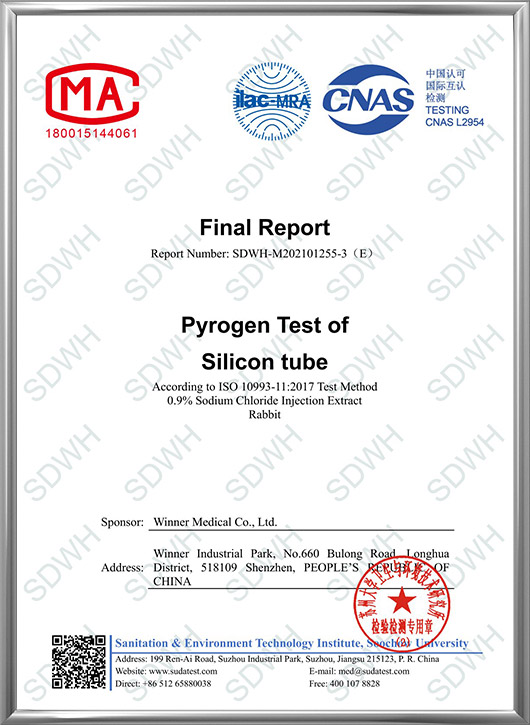
ISO 10993-11:2017 Pyrogens
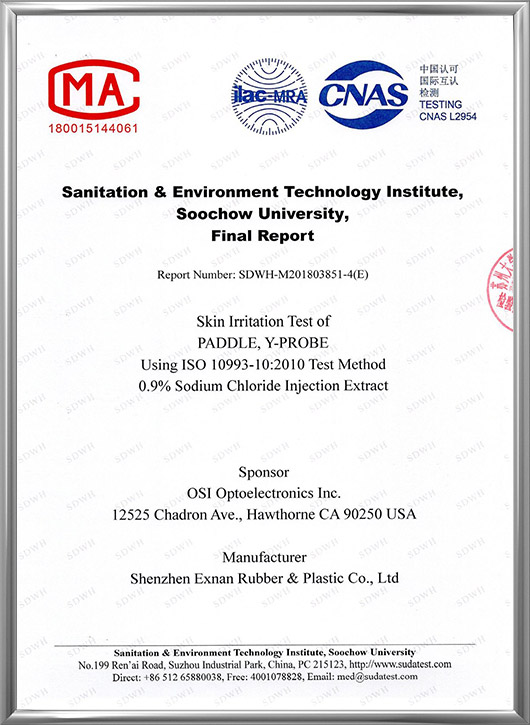
Skin irritation test for extract of 0.9% sodium chloride injection
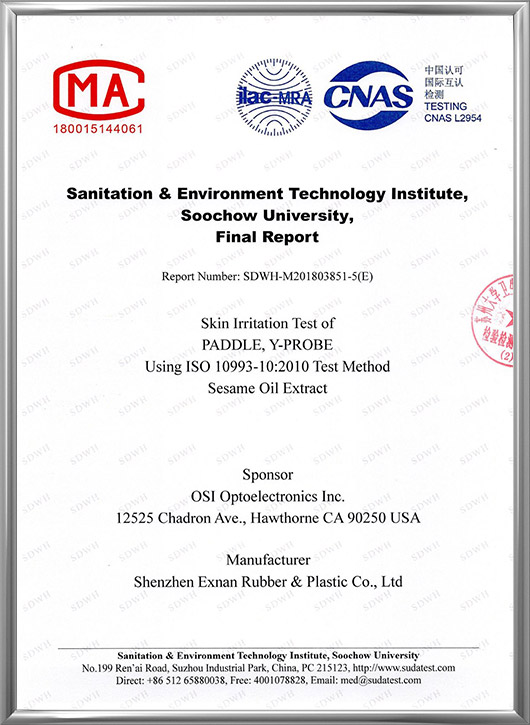
Skin irritation test for sesame oil extraction
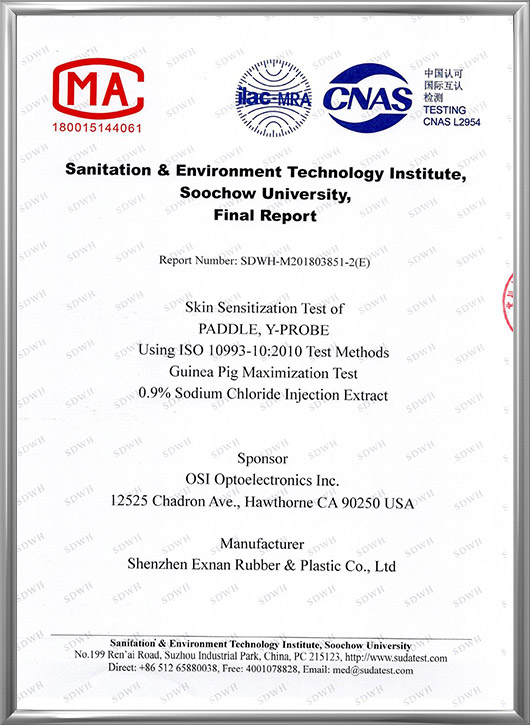
Skin sensitization test in guinea pigs using the maximization method with 0.9% sodium chloride injec
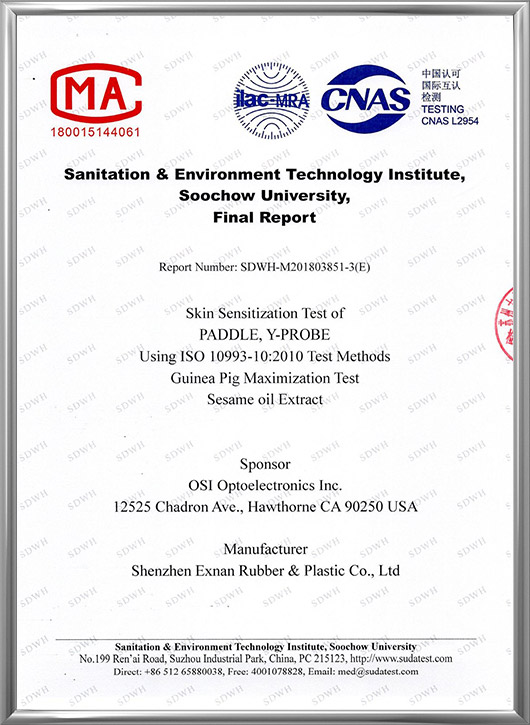
Skin sensitization test in guinea pigs:maximization method with sesame oil extraction
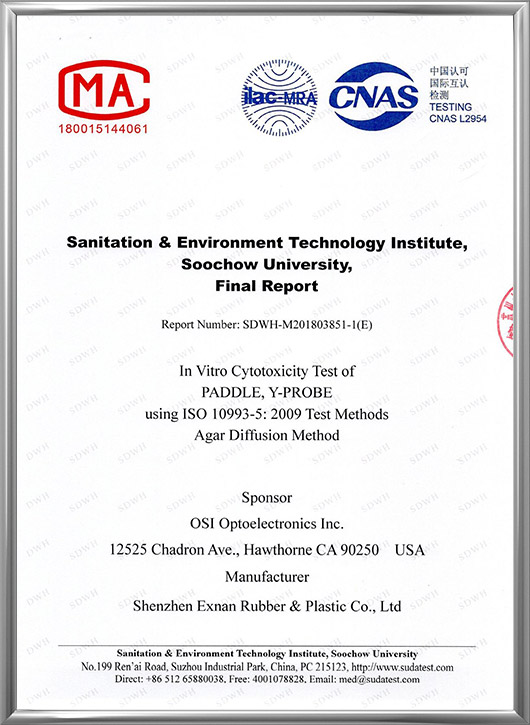
Cell toxicity test:agar diffusion method
Cooperating customers
Till now, Exnan products has been exports 35 countries, and more than 500 Medical equipment factory, health care companies, hospitals, clinics use our products, and win good reputation.




















New
Our silicone accessories meet international medical standards through strict quality control.
Ensure patient safety with our premium products. Explore our catalog today!
News
Our silicone accessories meet international medical standards through strict quality control.
Ensure patient safety with our premium products. Explore our catalog today!
Common Issues and Solutions for Silicone Parts in Medical Devices
Time: 2025-01-15 09:21:55
Author: Guangdong Exnan Technology Co.,Ltd
Click:
Silicone parts are widely used in medical devices due to their biocompatibility, flexibility, and resistance to high temperatures. They are found in everything from catheters and implants to surgical instruments and diagnostic equipment.

I. Introduction
Hey there! If you're involved in the medical device industry, you've probably heard a lot about silicone. It's a versatile material that's used in everything from catheters and implants to surgical tools and diagnostic equipment. But while silicone offers many benefits, it can also come with its share of challenges. In this article, we’re going to dive into some of the most common issues faced when using silicone parts in medical devices and explore practical solutions. We’ll also throw in some expert tip
s from EXNAN, a leading provider of high-quality silicone medical accessories.
II. Biocompatibility Concerns
Definition and Importance of Biocompatibility
Biocompatibility is a big deal in the medical world. Essentially, it means that the material won’t cause any adverse reactions when it comes into contact with the human body. This is crucial for ensuring patient safety and the overall performance of the medical device.
Common Biocompatibility Issues with Silicone Parts
Even though silicone is generally biocompatible, there are still a few issues to watch out for:
- Allergic Reactions: Some patients may be sensitive to certain silicone compounds.
- Cytotoxicity: This refers to the material’s ability to harm living cells.
- Immunogenicity: Silicone can sometimes trigger an immune response.
Solutions for Ensuring Biocompatibility
1. Material Selection
- Choose high-purity, medical-grade silicone. For instance, EXNAN’s medical silicones are specifically designed to minimize biocompatibility issues.
- Example: EXNAN’s Medical Grade Silicone Depot
2. Compliance with Medical Standards
- Make sure your silicone parts meet international standards such as USP Class VI and ISO 10993.
- ISO 10993-1:2018 is a great resource for understanding the biological evaluation process. ISO 10993-1:2018
3. Sterilization Methods
- Use appropriate sterilization techniques that don’t degrade the silicone or introduce contaminants.
- Common methods include steam sterilization, ethylene oxide (EO) sterilization, and gamma radiation.

III. Aging and Degradation
Factors Causing Silicone Degradation in Medical Devices
Silicone can age and degrade over time, which can affect its performance and safety. Here are the main culprits:
- Oxidation: Exposure to oxygen can cause the silicone to break down.
- UV Exposure: Ultraviolet light can lead to surface degradation.
- Chemical Exposure: Certain chemicals can react with silicone, causing it to lose its properties.
Signs of Degradation
Look out for these signs:
- Loss of Elasticity: The silicone becomes stiff and less flexible.
- Color Changes: It might start to yellow or change color.
- Surface Cracking: Small cracks may appear on the surface.
Preventive Measures
1. Material Additives
- Add stabilizers and antioxidants to the silicone formulation to enhance its resistance to oxidation.
- Example: EXNAN’s silicone formulations include proprietary additives to improve long-term stability.
2. Protective Coatings
- Apply coatings that shield the silicone from UV light and chemicals.
- EXNAN offers a range of protective coatings that are compatible with medical devices. EXNAN Protective Coatings
3. Proper Storage and Handling
- Store silicone parts in a controlled environment to minimize exposure to degradation factors.
- Follow recommended storage guidelines and handling procedures to maintain the material’s integrity.

IV. Leaching and Extractables
Explanation of Leaching and Extractables
Leaching is when chemicals from the silicone material seep out into the surrounding environment. This can be a serious issue, especially in medical devices that come into contact with bodily fluids or tissues.
Potential Health Risks Associated with Leaching
- Toxicity: Leached chemicals can be harmful if they enter the patient’s body.
- Allergic Reactions: Some patients may react to the leached chemicals.
Testing Methods for Extractables
- Extractable Studies: Use solvents to simulate the conditions the device will face and analyze the extracted compounds.
- Biological Assays: Test the impact of the extracts on living cells to assess potential risks.
Strategies to Minimize Leaching
1. Purification of Raw Materials
- Use high-purity silicone base materials to reduce the presence of impurities.
- EXNAN’s raw materials undergo rigorous purification processes to ensure the highest quality.
2. Post-Curing Treatments
- Implement additional curing steps to fully cross-link the silicone, reducing the release of unreacted components.
- EXNAN recommends post-curing treatments to enhance the stability of silicone parts. Post-Curing Treatments
V. Adhesion and Bonding Challenges
Difficulty in Adhering Silicone to Other Materials
Silicone’s smooth and inert surface can make it tricky to bond with other materials. This can lead to issues like:
- Weak Bonds: The parts may come apart during use.
- Inconsistent Bond Strengths: Variability in the strength of the bond can affect the device’s reliability.
Solutions for Improving Adhesion
1. Surface Treatments
- Plasma Treatment: This process increases the surface energy of the silicone, making it easier to bond.
- Chemical Primers: Applying a primer can create a better chemical bond between the silicone and other materials.
- EXNAN offers surface treatment services to ensure optimal adhesion. Surface Treatment Services
2. Selecting Compatible Adhesives
- Choose adhesives that are specifically designed for bonding with silicone.
- EXNAN can help you select the right adhesive for your application. Adhesive Selection Guide

VI. Manufacturing Defects
Types of Defects in Silicone Parts
- Bubbles and Voids: These can reduce the strength and durability of the part.
- Dimensional Inaccuracies: Parts that don’t meet the required dimensions can affect the device’s performance.
- Surface Imperfections: Flaws on the surface can lead to contamination or poor fit.
Causes of These Defects
- Impurities in Raw Materials: Contaminants can cause inconsistencies in the final product.
- Inconsistent Mixing and Curing Processes: Variations in these processes can lead to defects.
Quality Control Measures
1. In-Process Inspections
- Regularly check parts during manufacturing to catch defects early.
- EXNAN employs rigorous in-process inspections to ensure high-quality parts. Quality Control Process
2. Statistical Process Control (SPC)
- Use SPC to monitor and control manufacturing processes, ensuring consistency.
- EXNAN’s manufacturing plants use advanced SPC systems to maintain tight tolerances. SPC in Manufacturing
3. Process Validation
- Validate manufacturing processes to ensure they produce parts within specified tolerances.
- EXNAN’s validation protocols are designed to meet the highest industry standards. Validation Protocols
VII. Regulatory Compliance
Overview of Regulatory Bodies and Their Standards
Medical devices must meet stringent regulatory standards to ensure safety and efficacy. Key regulatory bodies include:
- FDA (U.S. Food and Drug Administration)
- CE Marking (European Conformity)
- Other Regional and National Standards
Ensuring Compliance
- Design Parts to Meet Regulatory Requirements: Start with a clear understanding of the standards your device needs to meet.
- Maintain Thorough Documentation and Records: Keep detailed records of all testing and manufacturing processes.
- Stay Informed: Regulatory standards are always evolving, so stay updated with the latest guidelines.
VIII. Case Studies
Real-World Examples of Issues and Their Resolutions
1. Case Study 1: Silicone Catheter Degradation
- Issue: A company experienced premature degradation of their silicone catheters due to oxidation.
- Solution: They incorporated antioxidant additives into the silicone formulation and improved storage conditions.
- Result: The catheters now have a longer service life and better performance.
2. Case Study 2: Bonding Silicone to Metal
- Issue: A surgical tool manufacturer had trouble bonding silicone to metal components.
- Solution: They used plasma treatment and a compatible adhesive from EXNAN.
- Result: The bond strength improved significantly, and the tools passed all quality tests.

IX. Future Trends and Innovations
Advances in Silicone Materials for Medical Devices
- New Formulations: Silicone materials are being developed with enhanced properties, such as greater tear strength and improved mold release.
- Biodegradable Silicones: Research is ongoing to create silicones that can break down safely in the body.
New Technologies in Manufacturing and Testing
- 3D Printing: This technology is enabling the creation of complex silicone parts with high precision.
- Advanced Testing Methods: New techniques are being used to more accurately assess the biocompatibility and performance of silicone parts.
Potential Future Challenges and Solutions
- Environmental Impact: As sustainability becomes more important, manufacturers will need to consider the environmental impact of silicone.
- Regulatory Changes: Stay prepared for new and more stringent regulatory requirements.
X. Conclusion
Summary of Key Points
1. Biocompatibility: Choose medical-grade silicone, comply with standards, and use appropriate sterilization methods.
2. Aging and Degradation: Add stabilizers, apply protective coatings, and store parts correctly.
3. Leaching and Extractables: Use high-purity materials and post-curing treatments.
4. Adhesion and Bonding: Treat surfaces and select compatible adhesives.
5. Manufacturing Defects: Implement in-process inspections, SPC, and process validation.
6. Regulatory Compliance: Design for compliance, maintain documentation, and stay informed.
Emphasis on the Importance of Addressing Issues Proactively
By addressing these issues proactively, you can ensure that your silicone parts are reliable, safe, and meet all regulatory requirements. Don’t wait for problems to arise—take a preventive approach to avoid costly recalls and ensure patient satisfaction.
Final Thoughts on Ensuring Reliability and Safety
EXNAN is here to support you every step of the way. Our team of experts can help you select the right materials, implement quality control measures, and navigate the regulatory landscape. Contact us today to learn more about how we can help you optimize your silicone medical parts. Contact EXNAN
References
- ISO 10993-1:2018, "Biological evaluation of medical devices — Part 1: Evaluation and testing within a risk management process" ISO 10993-1:2018
- USP Class VI guidelines for plastics in contact with fluids for surgical devices USP Class VI
- ANSI/AAMI PB70:2012, "Guidance on selection and use of materials for medical devices" ANSI/AAMI PB70:2012
- FDA Guidance for Industry: Use of International Standard ISO-10993, "Biological evaluation of medical devices" FDA ISO-10993 Guidance
We hope you found this article helpful! If you have any questions or need further assistance, feel free to reach out to us at EXNAN. Stay safe and keep innovating!

点击右上角
分享给朋友吧







 Long by picture save/share
0
Prev : Future Trends in Silicone Parts for Medical Devices
Next : Cleaning and Sterilization Guidelines for Medical Device Silicone Parts
文章推荐
Silicone Parts Fail After Sterilization: 5 Proven Fixes
Medical Silicone vs. TPE/TPU: Why Is Silicone Still the Preferred Material for Medical Consumables?
Medical Silicone Mold Design: The First Gateway to Product Precision
New Requirements of ISO13485:2016 for Medical Silicone Suppliers
Medical Silicone Consumables Market Sees New Growth: Respiratory Equipment Drives Demand for Precision Components
Related news recommendations —
Related Products —




News Products —
INQUIRY


Add Successfully

Hey there, I’m Steve!
15+ years in medical silicone accessories, linking manufacturers and healthcare providers for compliant, high-quality products. Trusted advisor focused on innovation and patient care. If you are looking for custom-made silicone rubber products, feel free to ask me any questions.
Hey there, I’m Steve!
15+ years in medical silicone accessories, linking manufacturers and healthcare providers for compliant, high-quality products. Trusted advisor focused on innovation and patient care. If you are looking for custom-made silicone rubber products, feel free to ask me any questions.
Welcome to contact us
If you have any questions, please fill in the relevant information. Weare very willing to provide more information and a full range ofservices for both you and your company
Welcome to contact us
If you have any questions, please fill in the relevant information. Weare very willing to provide more information and a full range ofservices for both you and your company
EXNAN
点击右上角
分享给朋友吧
Copyright © 2004-2024 Guangdong Exnan Technology Co.,Ltd
点击右上角
分享给朋友吧
Copyright © 2004-2024 Guangdong Exnan Technology Co.,Ltd

 +86-0752-3869959 / 3869960
 +86 180 0752 8206
 Building 8, China-Korea Emerging Intelligent Manufacturing Industrial Park, No.27, Songbailing Road, China-Korea (Huizhou) Industrial Park, Zhongkai Area, Huizhou City, Guangdong Province, China

WeChat scan
