

Contact Us
lf you have any queries, get in touch today! Don't hesitate, We try to take the extra step forour customer satisfaction.

Hey there, I’m Steve!
I’m the sales manager of exnan medical silicone. I have been in this field for more than ten years. If you are looking for custom-made silicone rubber products, feel free to ask me any questions.
"
Our certificate
Possess 800 square meters of Class 10,000 dust-free workshop, Passed ISO9001:2015 quality management system certification and ISO13485:2016 medical device quality management system, and its products have obtained multiple biocompatibility tests, US FDA and EU LFGB certifications.
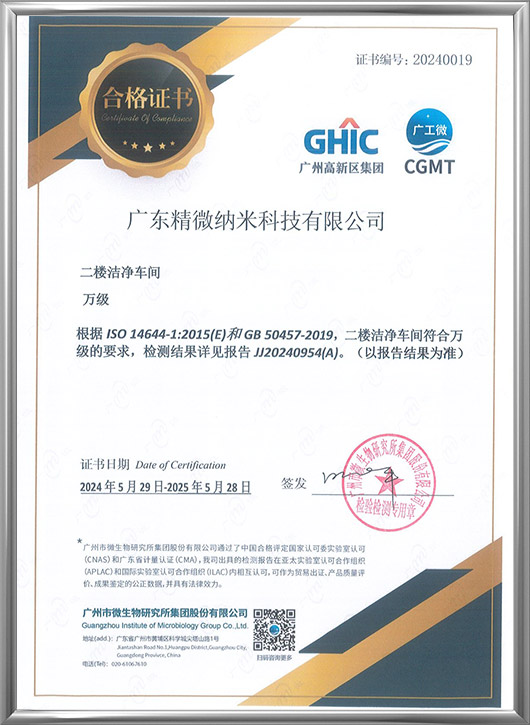
Class 10,000 cleanroom certification
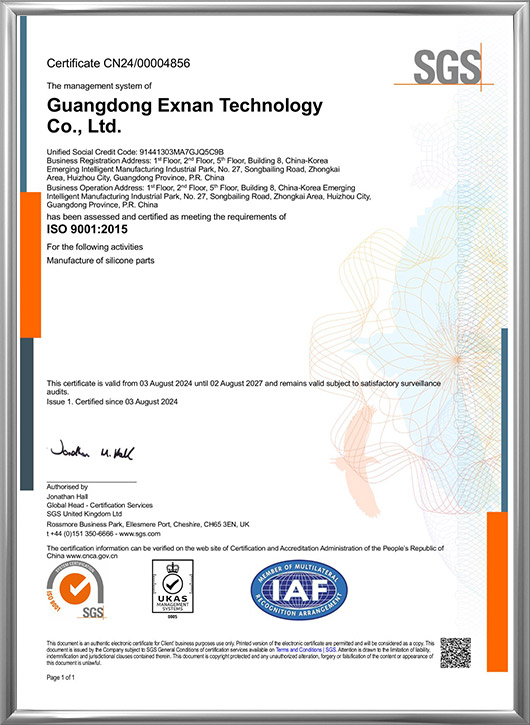
ISO 9001:2015
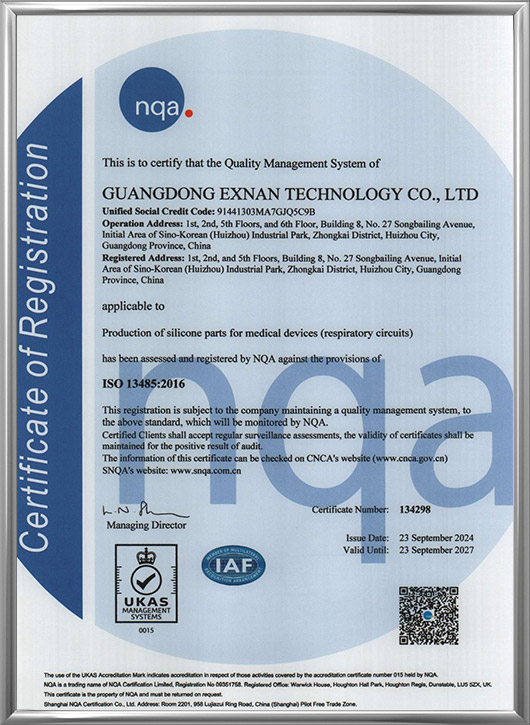
ISO 13485:2016
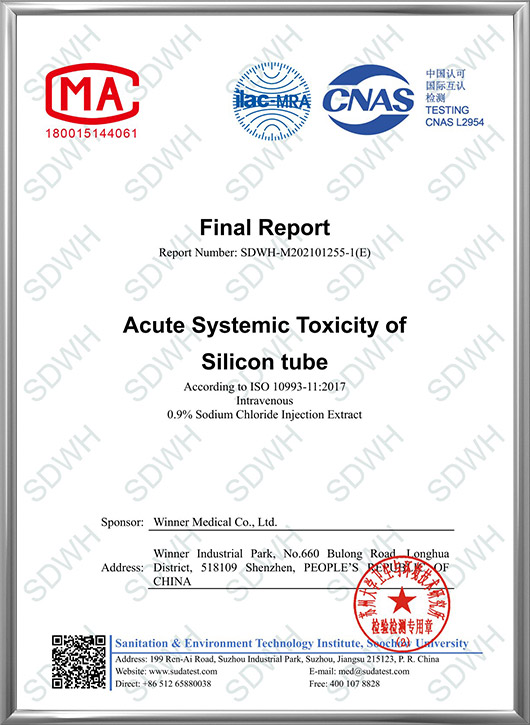
ISO 10993-11:2017 Tail vein injection
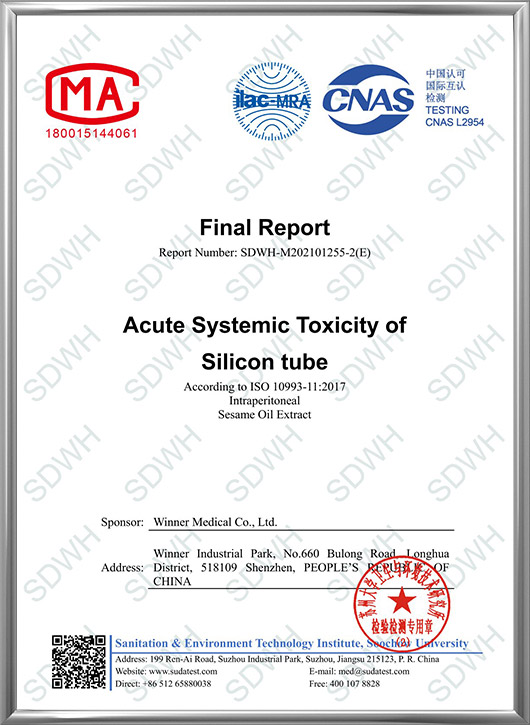
ISO 10993-11:2017 Intraperitoneal injection
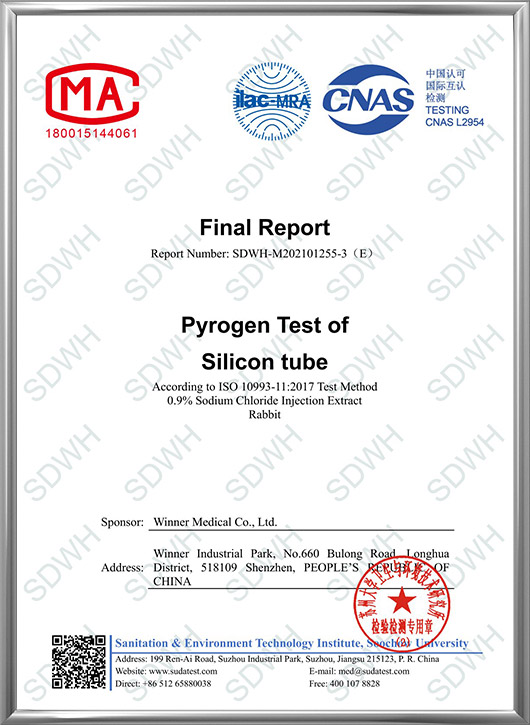
ISO 10993-11:2017 Pyrogens
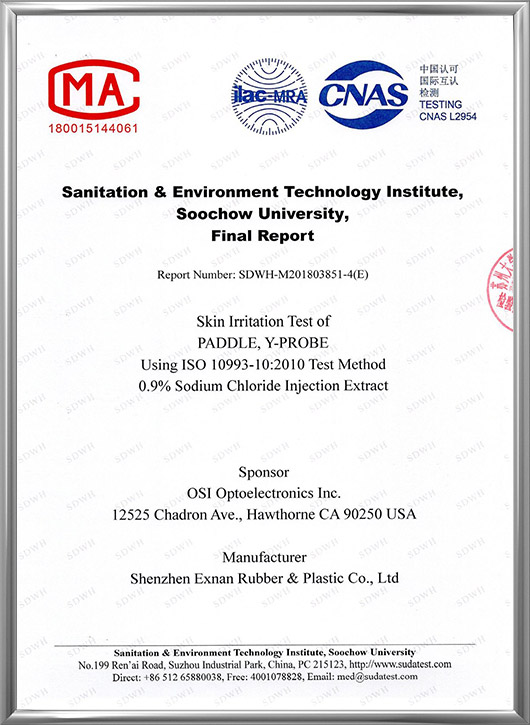
Skin irritation test for extract of 0.9% sodium chloride injection
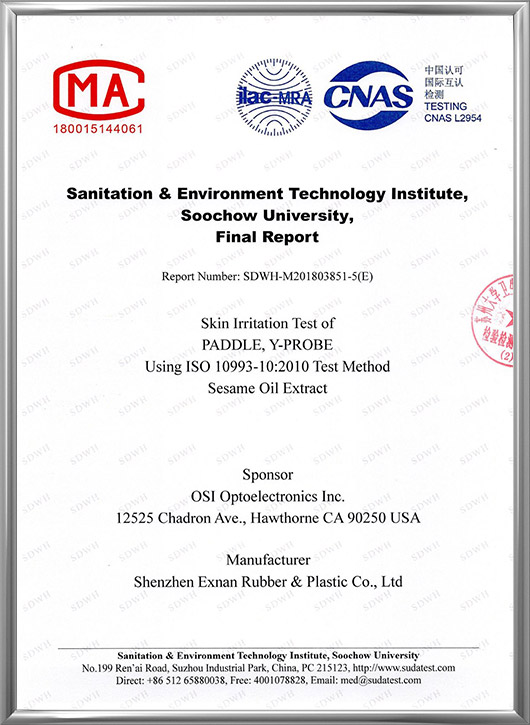
Skin irritation test for sesame oil extraction
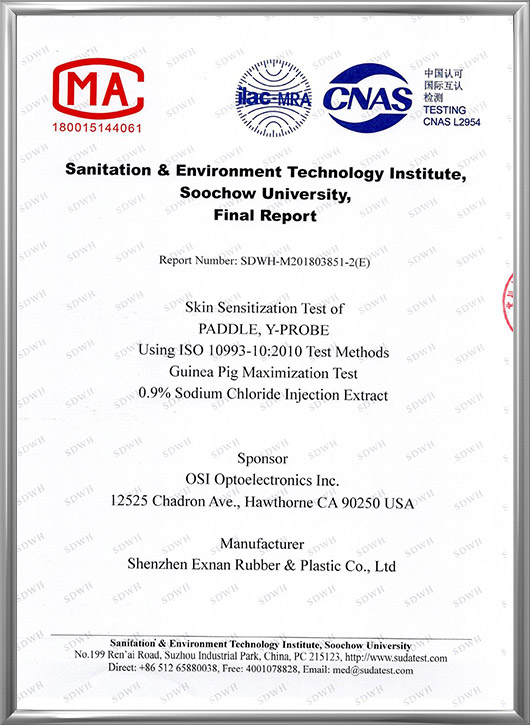
Skin sensitization test in guinea pigs using the maximization method with 0.9% sodium chloride injec
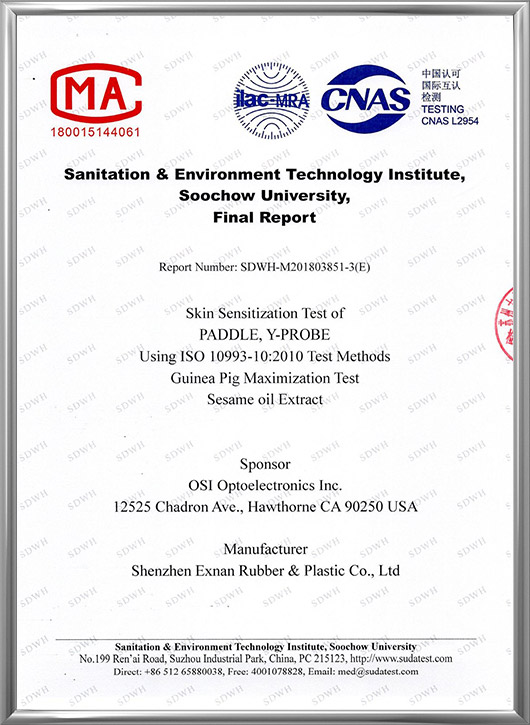
Skin sensitization test in guinea pigs:maximization method with sesame oil extraction
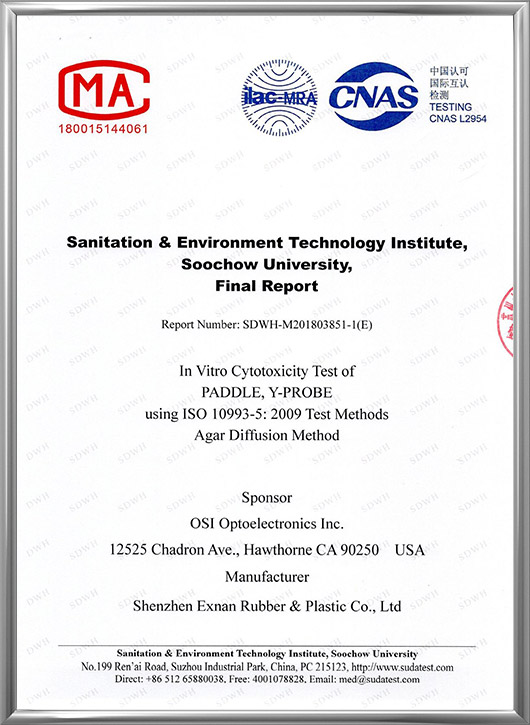
Cell toxicity test:agar diffusion method
Cooperating customers
Till now, Exnan products has been exports 35 countries, and more than 500 Medical equipment factory, health care companies, hospitals, clinics use our products, and win good reputation.


















New
Our silicone accessories meet international medical standards through strict quality control.
Ensure patient safety with our premium products. Explore our catalog today!
News
Our silicone accessories meet international medical standards through strict quality control.
Ensure patient safety with our premium products. Explore our catalog today!
Applications of Silicone Parts in Surgical Instruments
Time: 2025-01-08 14:07:20
Author: Guangdong Exnan Technology Co.,Ltd
Click:
Hey there! If you’re in the medical field, you know how crucial it is to choose the right materials for surgical instruments. One material that’s making a huge difference is silicone rubber. It’s got some amazing properties that make it perfect for a wide range of medical applications. Let’s dive into why silicone rubber is such a game changer and how it’s being used in surgical tools.

Introduction
Hey there! If you’re in the medical field, you know how crucial it is to choose the right materials for surgical instruments. One material that’s making a huge difference is silicone rubber. It’s got some amazing properties that make it perfect for a wide range of medical applications. Let’s dive into why silicone rubber is such a game changer and how it’s being used in surgical tools.
1. Biocompatibility and Safety
Biocompatibility is a big deal in medical devices. It means the material can be used in the human body without causing any harmful reactions. Silicone rubber is widely recognized for its biocompatibility, meeting strict standards like USP Class VI and ISO 10993 (1).
- What is Biocompatibility?
- The ability of a material to perform with an appropriate host response in a specific application.
- Ensures no irritation, inflammation, or rejection by the body.
- Meeting Standards
- USP Class VI: Tests for systemic toxicity, intracutaneous reactivity, and hemolysis.
- ISO 10993: Comprehensive tests covering biological evaluation of medical devices.
- Safety in Patient Contact
- Silicone rubber is safe for direct patient contact.
- Ideal for implantable devices, ensuring long-term safety and reliability.
| Standard | Tests | Application |
| USP Class VI | Systemic toxicity, intracutaneous reactivity, hemolysis | Direct patient contact, implantable devices |
| ISO 10993 | Biological evaluation, including cytotoxicity, sensitization, irritation | Comprehensive safety for all medical devices |
2. Sterilization and Durability
Surgical instruments need to be sterilized frequently to prevent infections. Silicone rubber can handle the most common sterilization methods without breaking down.
- Sterilization Methods
- Autoclaving: Steam sterilization at high temperatures.
- Ethylene Oxide (EO): Gas sterilization for heat-sensitive materials.
- Radiation: Gamma or electron beam sterilization.
- Withstanding Multiple Cycles
- Silicone rubber retains its properties after multiple sterilization cycles.
- No degradation or loss of function.
- Long-Term Durability
- Resistant to aging and environmental factors.
- Ensures reliable performance over time, reducing the need for frequent replacements.

3. Flexibility and Resilience
Flexibility is key in surgical instruments, especially those that need to navigate tight spaces or conform to body contours.
- Importance of Flexibility
- Allows instruments to bend and twist without breaking.
- Essential for minimally invasive surgeries and delicate procedures.
- Maintaining Flexibility
- Silicone rubber stays flexible across a wide range of temperatures.
- Doesn’t become brittle or lose its shape.
- Resilience and Low Compression Set
- Retains its shape and elasticity even after being compressed.
- Ensures consistent performance and reliability.
4. Sealing and Insulation
Surgical instruments often require tight seals to prevent fluid or air leaks, and silicone rubber is great for this.
- Critical Role of Sealing
- Prevents contamination and ensures sterile conditions.
- Important for fluid and air tightness in surgical devices.
- Sealing Properties
- Silicone rubber forms a reliable, airtight seal.
- Resistant to water, oils, and other chemicals.
- Electrical Insulation
- Protects electronic components from moisture and electrical shorts.
- Ideal for devices with electrical functions.

5. Non-Stick and Lubricity
Non-stick surfaces are crucial in surgical procedures to avoid adhesion to tissues or instruments.
- Importance of Non-Stick Surfaces
- Prevents materials from sticking to the instruments.
- Reduces the risk of contamination and simplifies cleaning.
- Non-Stick Properties
- Silicone rubber has a natural non-stick surface.
- Can be further enhanced with coatings if needed.
- Lubricity
- Reduces friction, making surgical procedures smoother.
- Can be used in catheters and guidewires to ease insertion and movement.

6. Chemical Resistance
Surgical environments are full of harsh chemicals and solvents, and silicone rubber can handle them.
- Exposure to Chemicals
- Common chemicals in the operating room include disinfectants and sterilizing agents.
- Silicone rubber is resistant to a wide range of chemicals.
- Resistance to Acids, Bases, Oils, and Greases
- Can withstand exposure to acids, bases, and oils without degradation.
- Long-term stability ensures consistent performance.
| Chemical | Resistance Level |
| Acids | High |
| Bases | High |
| Oils | High |
| Greases | High |
7. Customization and Molding
Silicone rubber can be easily customized and molded into complex shapes, making it perfect for surgical instruments.
- Ease of Customization
- Can be tailored to specific design requirements.
- Ideal for creating intricate and detailed parts.
- Precision Manufacturing
- High precision in molding ensures consistent quality.
- Suitable for prototyping and small production runs.
- Rapid Prototyping
- Reduces development time and costs.
- Allows for quick iterations and improvements.

8. Environmental and Patient Comfort
Silicone rubber is not only a great material for medical devices but also environmentally friendly.
- Non-Toxic and Hypoallergenic
- Safe for patients with allergies or sensitivities.
- Does not leach harmful chemicals or cause irritation.
- Patient Comfort
- Soft and flexible, providing a gentle touch.
- Enhances the usability and comfort of surgical instruments.
- Environmental Considerations
- Biodegradable and recyclable.
- Low environmental impact compared to other materials.
9. Case Studies and Examples
Let’s look at some real-world examples of silicone rubber parts in surgical instruments and their impact.
- Case Study: Laparoscopic Instruments
- Application: Seals and gaskets in laparoscopic instruments.
- Benefits: Prevents fluid leaks, maintains sterile conditions, and ensures long-term durability.
- Impact: Improved surgical outcomes and patient safety.
- Example: Catheters
- Application: Silicone rubber tubing in catheters.
- Benefits: Biocompatible, flexible, and non-stick surface.
- Impact: Easier insertion, reduced patient discomfort, and better performance.
- Success Story: Surgical Mats
- Application: Silicone rubber mats used in operating rooms.
- Benefits: Non-slip, non-stick, and easy to clean.
- Impact: Enhanced safety and hygiene in the operating room.
Conclusion
Silicone rubber is a high-performance material that offers a unique combination of properties, making it ideal for surgical instruments. Its biocompatibility, ability to withstand sterilization, flexibility, sealing properties, non-stick surface, chemical resistance, and ease of customization have revolutionized the medical device industry. As technology advances, we can expect even more innovative uses of silicone rubber in medical applications.
If you’re looking for high-quality silicone rubber parts for your surgical instruments, check out EXNAN. They specialize in custom silicone molding and have a wealth of experience in producing precision components for the medical industry. Whether you need seals, gaskets, hoses, or any other silicone part, their team can help you get exactly what you need. Contact EXNAN today to see how they can support your project!
References:
1.USP Class VI and ISO 10993 Standards
2. Silicone Rubber in Medical Applications
Contact EXNAN:
- Website: exnan.com
- Email: sales01@exnan.com
- Phone: +86 180 0752 8206

点击右上角
分享给朋友吧







 Long by picture save/share
0
Prev : Latest Innovations and Technological Advances in Medical Device Silicone Parts
Next : Durability and Biocompatibility: The Perfect Combination in Medical Device Silicone Parts
文章推荐
Silicone Parts Fail After Sterilization: 5 Proven Fixes
Medical Silicone vs. TPE/TPU: Why Is Silicone Still the Preferred Material for Medical Consumables?
Medical Silicone Mold Design: The First Gateway to Product Precision
New Requirements of ISO13485:2016 for Medical Silicone Suppliers
Medical Silicone Consumables Market Sees New Growth: Respiratory Equipment Drives Demand for Precision Components
Related news recommendations —
Related Products —



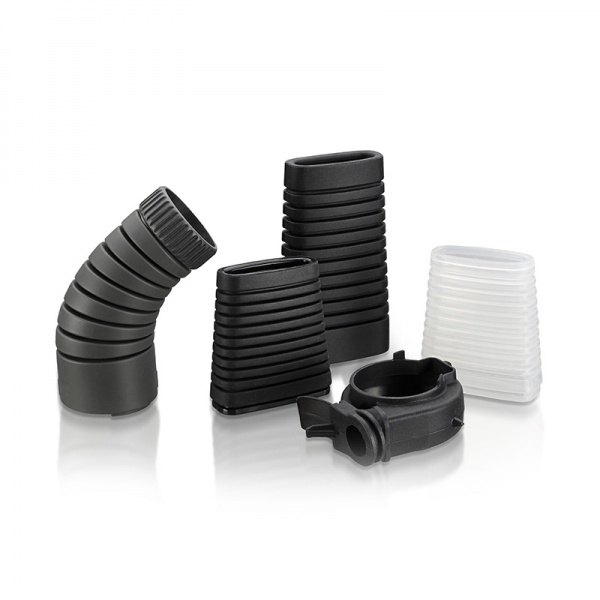

News Products —
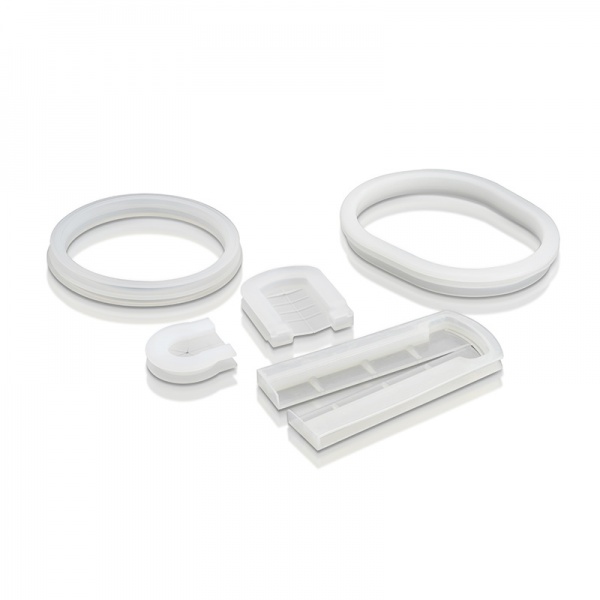
INQUIRY


Add Successfully

Hey there, I’m Steve!
15+ years in medical silicone accessories, linking manufacturers and healthcare providers for compliant, high-quality products. Trusted advisor focused on innovation and patient care. If you are looking for custom-made silicone rubber products, feel free to ask me any questions.
Hey there, I’m Steve!
15+ years in medical silicone accessories, linking manufacturers and healthcare providers for compliant, high-quality products. Trusted advisor focused on innovation and patient care. If you are looking for custom-made silicone rubber products, feel free to ask me any questions.
Welcome to contact us
If you have any questions, please fill in the relevant information. Weare very willing to provide more information and a full range ofservices for both you and your company
Welcome to contact us
If you have any questions, please fill in the relevant information. Weare very willing to provide more information and a full range ofservices for both you and your company
EXNAN
点击右上角
分享给朋友吧
Copyright © 2004-2024 Guangdong Exnan Technology Co.,Ltd
点击右上角
分享给朋友吧
Copyright © 2004-2024 Guangdong Exnan Technology Co.,Ltd

 +86-0752-3869959 / 3869960
 +86 180 0752 8206
 Building 8, China-Korea Emerging Intelligent Manufacturing Industrial Park, No.27, Songbailing Road, China-Korea (Huizhou) Industrial Park, Zhongkai Area, Huizhou City, Guangdong Province, China

WeChat scan
