

Contact Us
lf you have any queries, get in touch today! Don't hesitate, We try to take the extra step forour customer satisfaction.

Hey there, I’m Steve!
I’m the sales manager of exnan medical silicone. I have been in this field for more than ten years. If you are looking for custom-made silicone rubber products, feel free to ask me any questions.
"
Our certificate
Possess 800 square meters of Class 10,000 dust-free workshop, Passed ISO9001:2015 quality management system certification and ISO13485:2016 medical device quality management system, and its products have obtained multiple biocompatibility tests, US FDA and EU LFGB certifications.
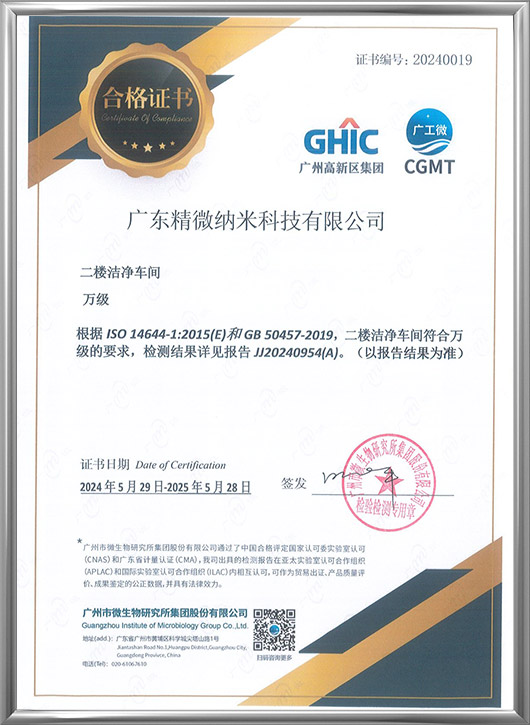
Class 10,000 cleanroom certification
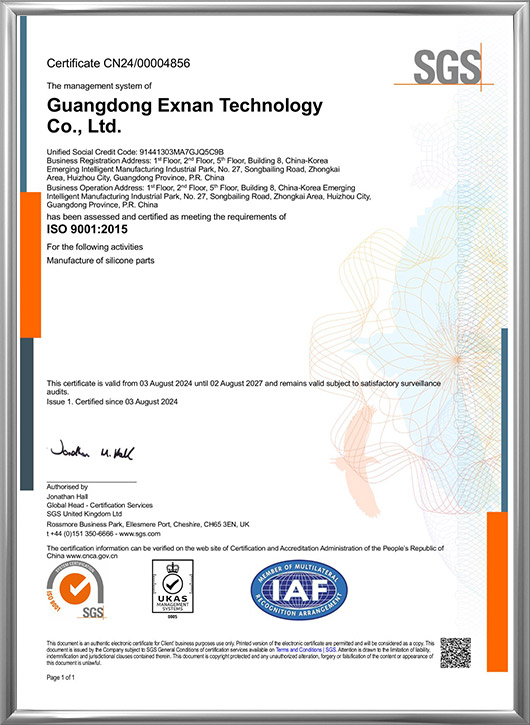
ISO 9001:2015
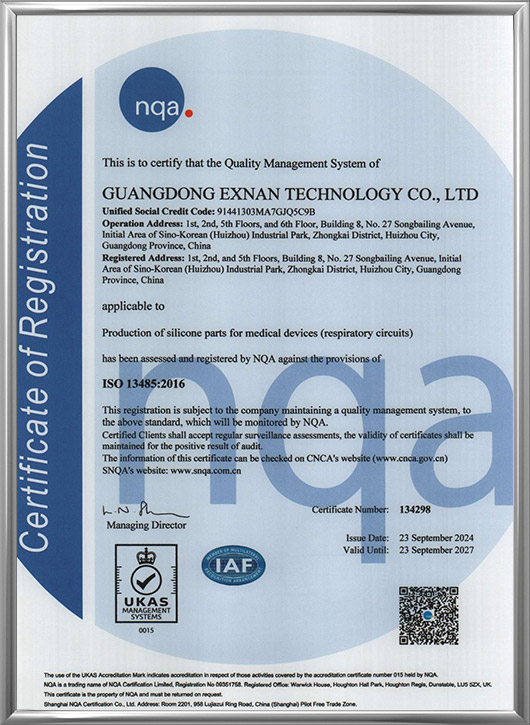
ISO 13485:2016
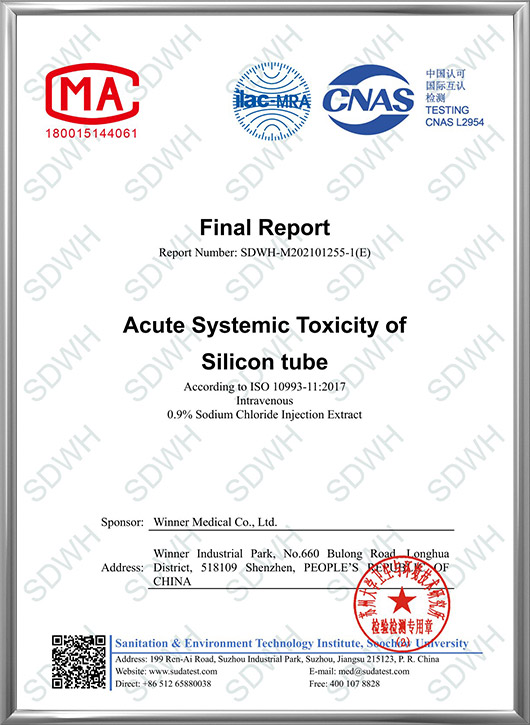
ISO 10993-11:2017 Tail vein injection
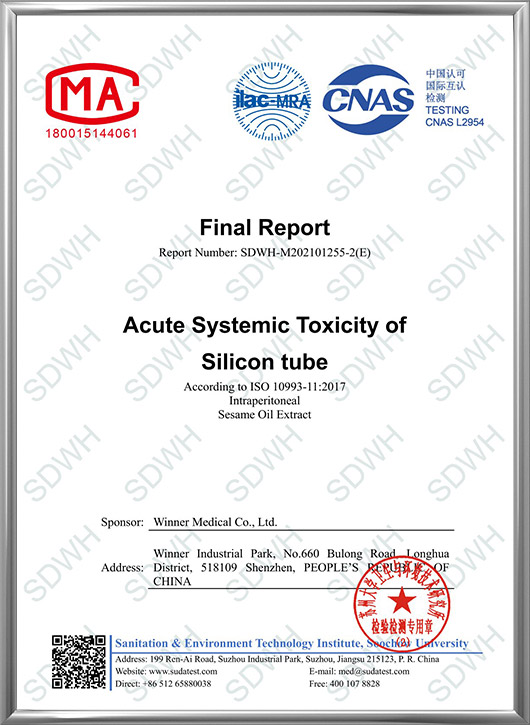
ISO 10993-11:2017 Intraperitoneal injection
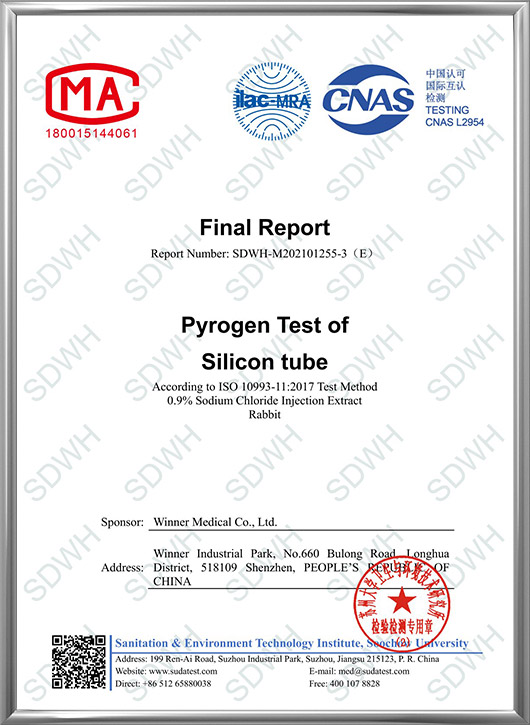
ISO 10993-11:2017 Pyrogens
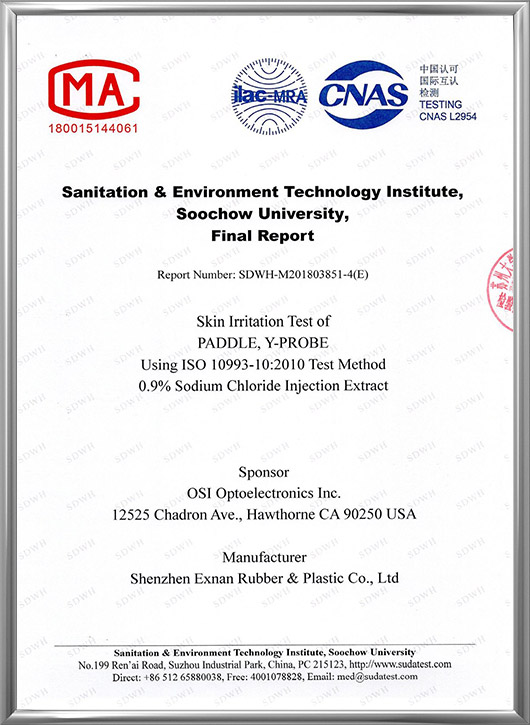
Skin irritation test for extract of 0.9% sodium chloride injection
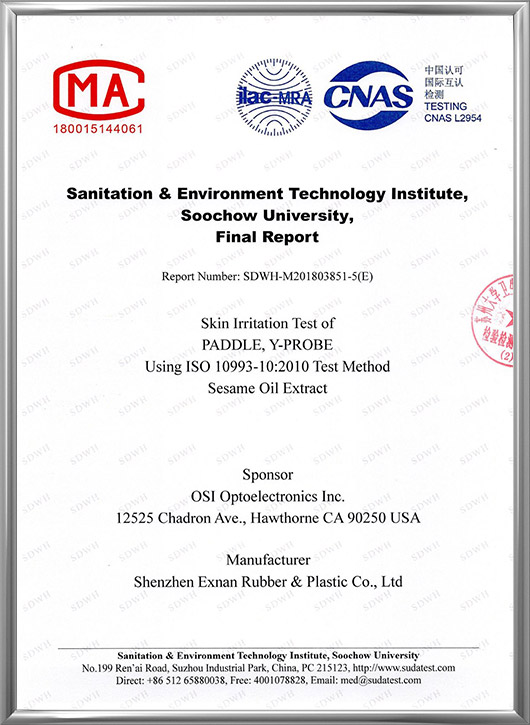
Skin irritation test for sesame oil extraction
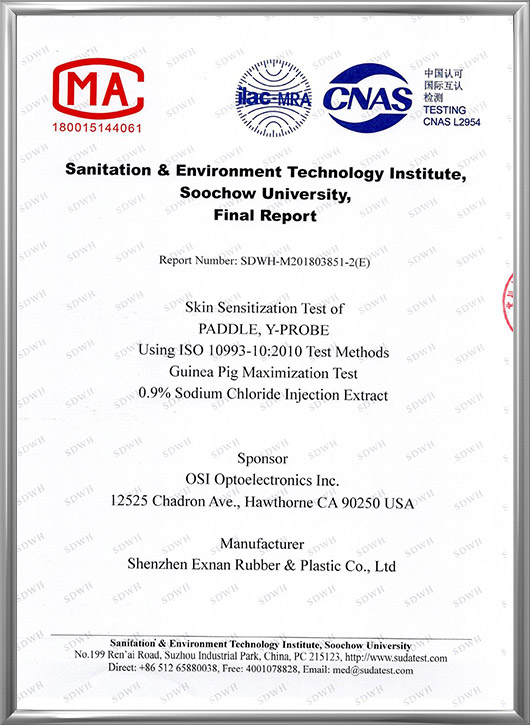
Skin sensitization test in guinea pigs using the maximization method with 0.9% sodium chloride injec
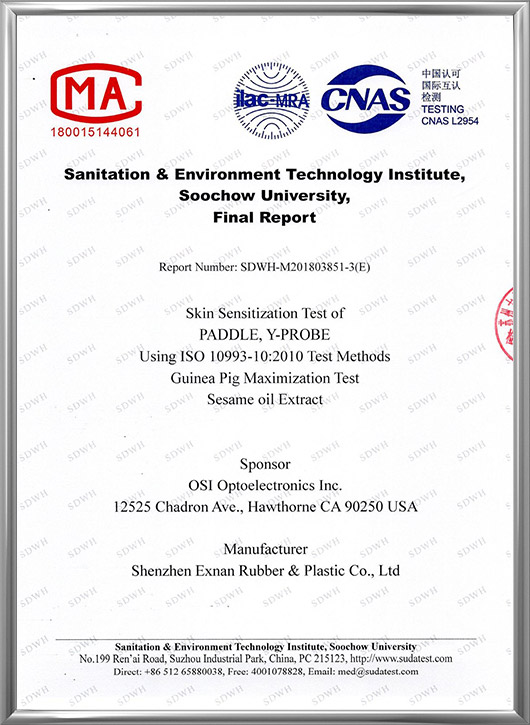
Skin sensitization test in guinea pigs:maximization method with sesame oil extraction
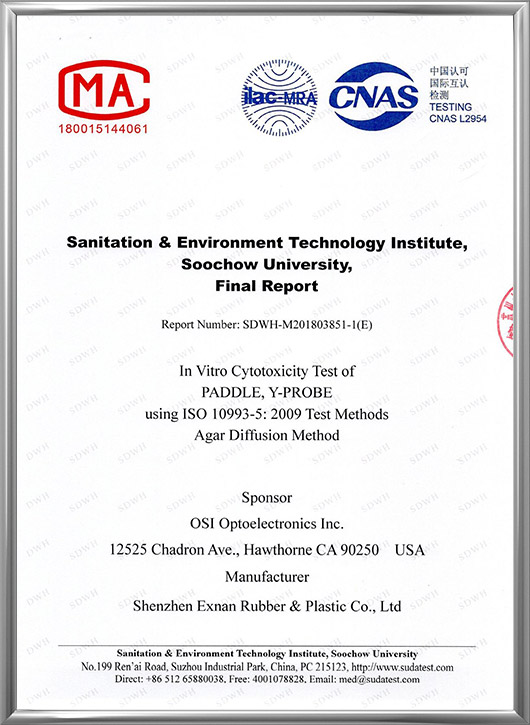
Cell toxicity test:agar diffusion method
Cooperating customers
Till now, Exnan products has been exports 35 countries, and more than 500 Medical equipment factory, health care companies, hospitals, clinics use our products, and win good reputation.



















New
Our silicone accessories meet international medical standards through strict quality control.
Ensure patient safety with our premium products. Explore our catalog today!
News
Our silicone accessories meet international medical standards through strict quality control.
Ensure patient safety with our premium products. Explore our catalog today!
Durability and Biocompatibility: The Perfect Combination in Medical Device Silicone Parts
Time: 2025-01-09 09:42:20
Author: Guangdong Exnan Technology Co.,Ltd
Click:
When it comes to medical devices, the choice of materials is crucial. Whether a device is meant to be implanted for the long term, used temporarily, or discarded after one use, the materials must be both durable and biocompatible.

Introduction
When it comes to medical devices, the choice of materials is crucial. Whether a device is meant to be implanted for the long term, used temporarily, or discarded after one use, the materials must be both durable and biocompatible. One material that stands out in this regard is silicone. In this article, we'll explore the dual advantages of durability and biocompatibility in silicone parts and how they can make a significant difference in medical device manufacturing.
What is Silicone?
Silicone is a versatile polymer known for its unique physical and chemical properties. It not only offers excellent flexibility and strength but also maintains its stability over a wide range of temperatures. Here are the main types of silicone used in medical device manufacturing:
- Liquid Silicone Rubber (LSR): Ideal for liquid injection molding, producing parts with high strength and flexibility.
- High Consistency Silicone Rubber (HCR): Suitable for transfer molding to achieve complex shapes and thin walls.
- Transparent Silicone: Used in applications requiring high refractive index and optical clarity, such as implantable lenses.
Biocompatibility of Silicone
Biocompatibility refers to the ability of a material to perform with an appropriate host response in a specific application. This is especially important in medical devices that come into contact with human tissues. Here are some key points about the biocompatibility of silicone:
- Standards: Silicone parts are tested according to ISO 10993 and USP Class VI standards to ensure they are safe for medical use.
- Benefits:
- Low Toxicity: Minimal adverse effects on human tissues, making it safe for long-term implants.
- Non-Irritant: Does not cause irritation or allergic reactions, enhancing patient comfort.
- Non-Carcinogenic: Does not promote cancer, ensuring long-term safety.

Durability of Silicone
Durability is another critical aspect of medical device materials. Silicone's mechanical and environmental properties make it an excellent choice for a variety of applications:
- Mechanical Properties:
- Strength: Able to withstand mechanical stress and wear, ensuring long-term reliability.
- Flexibility: Maintains its shape and integrity even under repeated deformation, allowing for flexibility in design and use.
- Environmental Resistance:
- Temperature Range: Can operate effectively from -55 °C to +230 °C.
- Chemical Resistance: Resistant to a wide range of chemicals, including bodily fluids, which is essential for medical devices.
- UV and Ozone Resistance: Maintains its properties even when exposed to UV light and ozone, ensuring longevity in various environments.

Applications in Medical Devices
Silicone's combination of durability and biocompatibility makes it suitable for a wide range of medical devices:
- Implantable Devices:
- Examples: Defibrillators, heart pumps, surgical reconstructive components.
- Requirements: Long-term use, high biocompatibility, and durability.
- Case Study: A defibrillator with silicone-encapsulated components has shown high reliability and patient safety over extended periods.
- Short-Term Implantable Devices:
- Examples: Over-molded surgical blades, catheters, diagnostic guide wires.
- Requirements: Temporary use, still requiring high biocompatibility.
- Case Study: A catheter with silicone-coated surfaces has reduced irritation and improved patient comfort.
- Disposable Devices:
- Examples: Suture sleeves, ophthalmic lenses, orthopedic devices.
- Requirements: One-time use, but must be safe and reliable.
- Case Study: An ophthalmic lens for eye surgery made from silicone is optically clear and safe for one-time use.

Silicone Molding Processes
Different molding processes are used to create silicone parts, each with its own advantages:
- Liquid Injection Molding (LIM):
- Process: Injection of liquid silicone into a mold.
- Advantages: Short curing time and high production efficiency.
- Transfer Molding:
- Process: Transfer of pre-measured silicone material into a mold cavity.
- Advantages: Suitable for complex shapes and thin walls.
- Compression Molding:
- Process: Placement of silicone material in a mold and applying heat and pressure.
- Advantages: Suitable for large or structurally complex parts.
- Micromolding:
- Process: Production of micro-sized parts.
- Advantages: Precision and miniaturization.
- Overmolding:
- Process: Applying silicone over an existing part.
- Advantages: Enhanced functionality and protection.
Quality Considerations
Ensuring the quality and consistency of silicone parts is essential for medical applications:
- Batch Consistency:
- Importance: Ensuring uniform mixing and consistent quality.
- Techniques: Computer-controlled production, custom automated assembly, and automated measuring machinery.
- Cleanroom Manufacturing:
- Standards: ISO 14644 for cleanroom classification.
- Environmental Control: Airflow and HEPA filtration to capture airborne particles.
- Raw Material Handling:
- Cleanliness: Preventing contamination in raw materials.
- Storage: Proper storage conditions to maintain material integrity.

Additives in Silicone
Additives can enhance the properties of silicone, but they must be carefully tested to ensure they do not compromise biocompatibility or durability:
- Types of Additives:
- Pigments: For custom colors and visual identification.
- Desiccants: To control moisture.
- Antimicrobial Agents: To prevent bacterial growth.
- Radiopaque Tracers: For X-ray detection.
- Impact on Durability and Biocompatibility:
- Testing: Rigorous testing to ensure additives do not affect the material's properties.
- Regulations: Compliance with FDA and international standards.
Case Studies
Let's look at some real-world examples of how silicone's durability and biocompatibility have been successfully applied in medical devices:
- Long-Term Implantable Device:
- Example: A defibrillator with silicone-encapsulated components.
- Results: High reliability and patient safety over extended periods.
- Short-Term Implantable Device:
- Example: A catheter with silicone-coated surfaces.
- Results: Reduced irritation and improved patient comfort.
- Disposable Device:
- Example: An ophthalmic lens for eye surgery.
- Results: Optically clear and safe for one-time use.
Conclusion
- Summary: Silicone parts offer a perfect combination of durability and biocompatibility, making them a top choice in medical device manufacturing. From long-term implants to disposable devices, silicone ensures safety and effectiveness.
- Future Outlook: Advances in silicone technology are likely to further enhance its properties and expand its applications in medical devices.
- Final Thoughts: The critical role of silicone in medical devices cannot be overstated. Companies like EXNAN are at the forefront of producing high-quality, biocompatible, and durable silicone components, ensuring that medical devices meet the highest standards of safety and performance.
Additional Resources
- ISO 10993: ISO 10993 - Biocompatibility Testing
- USP Class VI: USP Class VI - Plastics for Medical Devices
- EXNAN Medical Silicone Parts: Explore EXNAN's Medical Silicone Solutions
By choosing EXNAN for your medical device needs, you can be confident that your silicone parts will meet the rigorous standards required for medical applications, ensuring both durability and biocompatibility.

点击右上角
分享给朋友吧







 Long by picture save/share
0
Prev : Applications of Silicone Parts in Surgical Instruments
Next : Design and Testing Methods for Medical Device Silicone Parts
文章推荐
Silicone Parts Fail After Sterilization: 5 Proven Fixes
Medical Silicone vs. TPE/TPU: Why Is Silicone Still the Preferred Material for Medical Consumables?
Medical Silicone Mold Design: The First Gateway to Product Precision
New Requirements of ISO13485:2016 for Medical Silicone Suppliers
Medical Silicone Consumables Market Sees New Growth: Respiratory Equipment Drives Demand for Precision Components
Related news recommendations —
Related Products —




News Products —
INQUIRY


Add Successfully

Hey there, I’m Steve!
15+ years in medical silicone accessories, linking manufacturers and healthcare providers for compliant, high-quality products. Trusted advisor focused on innovation and patient care. If you are looking for custom-made silicone rubber products, feel free to ask me any questions.
Hey there, I’m Steve!
15+ years in medical silicone accessories, linking manufacturers and healthcare providers for compliant, high-quality products. Trusted advisor focused on innovation and patient care. If you are looking for custom-made silicone rubber products, feel free to ask me any questions.
Welcome to contact us
If you have any questions, please fill in the relevant information. Weare very willing to provide more information and a full range ofservices for both you and your company
Welcome to contact us
If you have any questions, please fill in the relevant information. Weare very willing to provide more information and a full range ofservices for both you and your company
EXNAN
点击右上角
分享给朋友吧
Copyright © 2004-2024 Guangdong Exnan Technology Co.,Ltd
点击右上角
分享给朋友吧
Copyright © 2004-2024 Guangdong Exnan Technology Co.,Ltd

 +86-0752-3869959 / 3869960
 +86 180 0752 8206
 Building 8, China-Korea Emerging Intelligent Manufacturing Industrial Park, No.27, Songbailing Road, China-Korea (Huizhou) Industrial Park, Zhongkai Area, Huizhou City, Guangdong Province, China

WeChat scan
