

Contact Us
lf you have any queries, get in touch today! Don't hesitate, We try to take the extra step forour customer satisfaction.

Hey there, I’m Steve!
I’m the sales manager of exnan medical silicone. I have been in this field for more than ten years. If you are looking for custom-made silicone rubber products, feel free to ask me any questions.
"
Our certificate
Possess 800 square meters of Class 10,000 dust-free workshop, Passed ISO9001:2015 quality management system certification and ISO13485:2016 medical device quality management system, and its products have obtained multiple biocompatibility tests, US FDA and EU LFGB certifications.
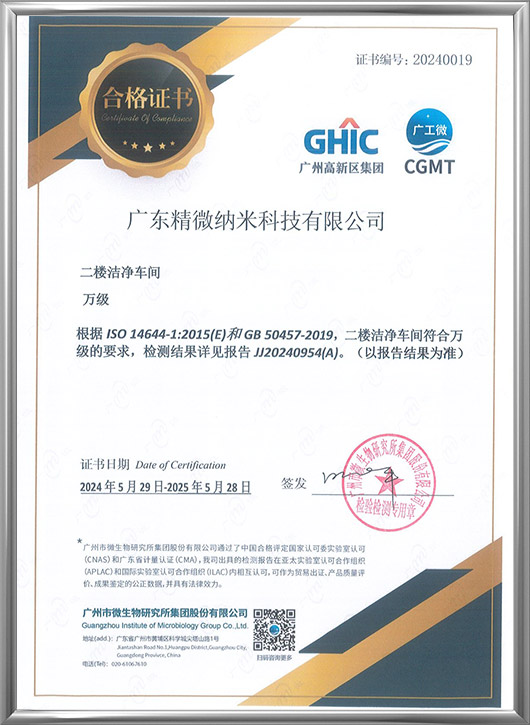
Class 10,000 cleanroom certification
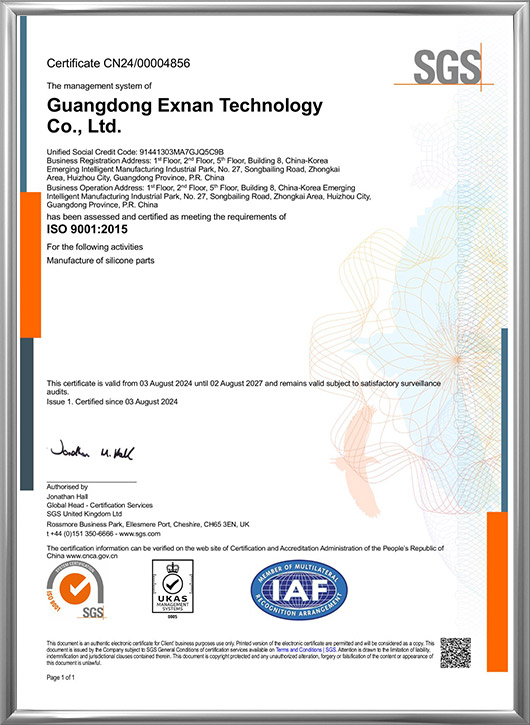
ISO 9001:2015
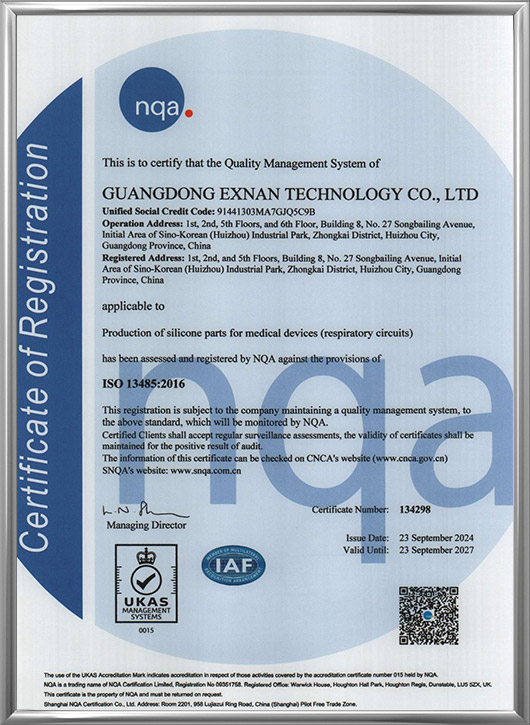
ISO 13485:2016
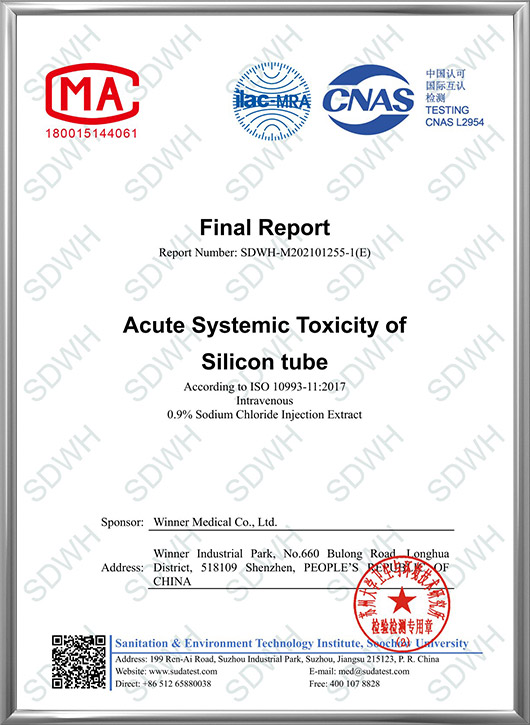
ISO 10993-11:2017 Tail vein injection
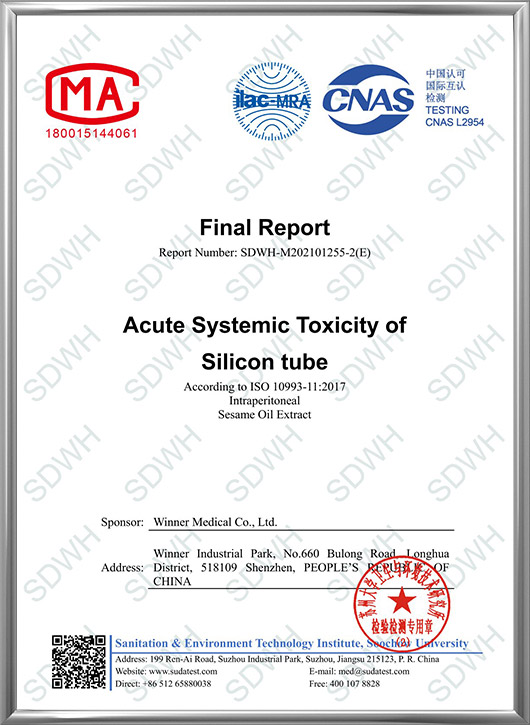
ISO 10993-11:2017 Intraperitoneal injection
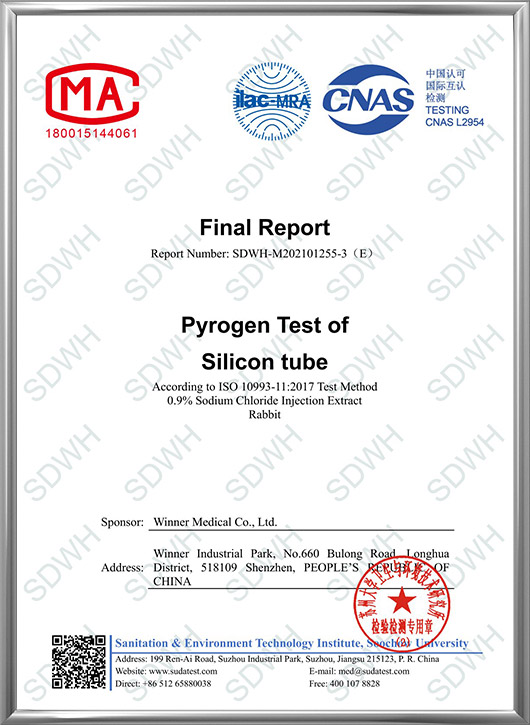
ISO 10993-11:2017 Pyrogens
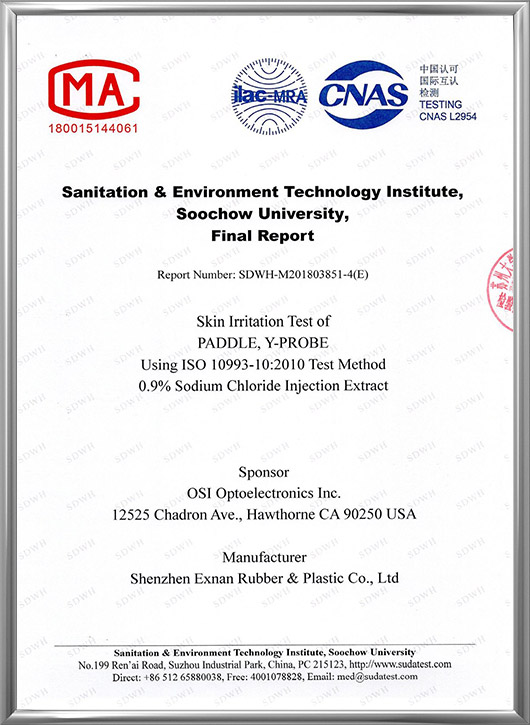
Skin irritation test for extract of 0.9% sodium chloride injection
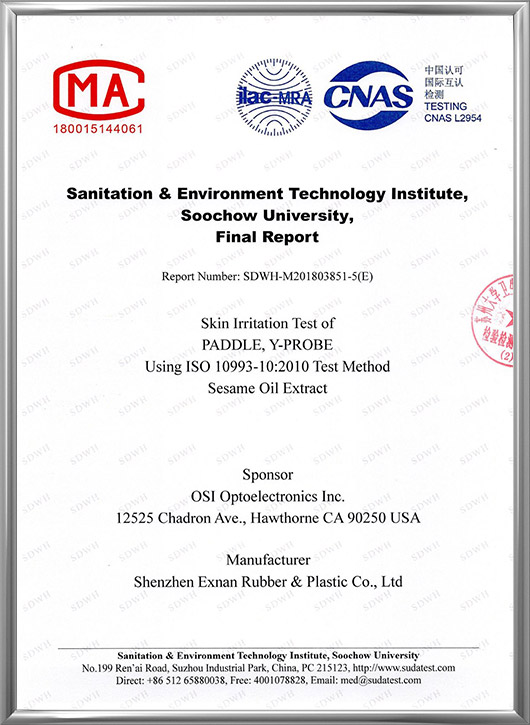
Skin irritation test for sesame oil extraction
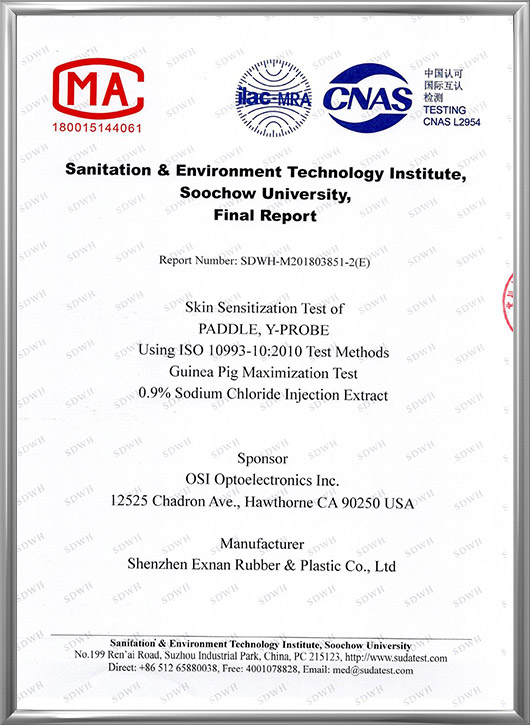
Skin sensitization test in guinea pigs using the maximization method with 0.9% sodium chloride injec
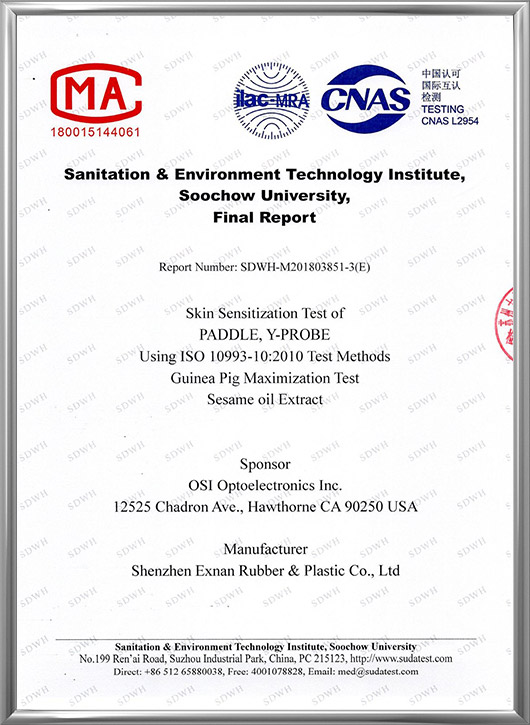
Skin sensitization test in guinea pigs:maximization method with sesame oil extraction
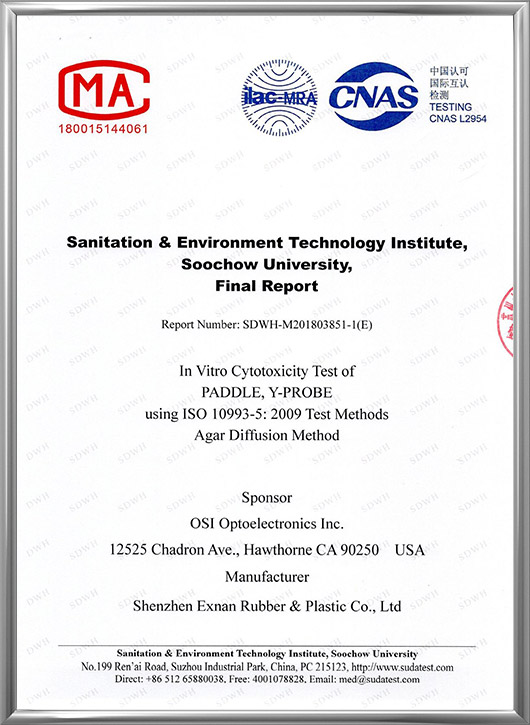
Cell toxicity test:agar diffusion method
Cooperating customers
Till now, Exnan products has been exports 35 countries, and more than 500 Medical equipment factory, health care companies, hospitals, clinics use our products, and win good reputation.


















New
Our silicone accessories meet international medical standards through strict quality control.
Ensure patient safety with our premium products. Explore our catalog today!
News
Our silicone accessories meet international medical standards through strict quality control.
Ensure patient safety with our premium products. Explore our catalog today!
Why Medical-Grade Silicone is the Most Versatile Material in Med Tech
Time: 2024-09-14 09:57:48
Author: Guangdong Exnan Technology Co.,Ltd
Click:
Medical-grade silicone has become one of the most widely used materials in the medical technology (med tech) sector, thanks to its unique combination of properties that make it suitable for a vast range of applications.

Medical-grade silicone has become one of the most widely used materials in the medical technology (med tech) sector, thanks to its unique combination of properties that make it suitable for a vast range of applications
(Global Market Insights - Medical Grade Silicone Market). Its versatility has positioned it as a critical component in the design and manufacture of medical devices, implants, prosthetics, and other healthcare-related products. In this article, we will explore the reasons why medical-grade silicone stands out as the most versatile material in the med tech industry.
1. Exceptional Biocompatibility
One of the most important features of medical-grade silicone is its biocompatibility, which means it does not react adversely with biological tissues and fluids. This property is crucial in medical applications where materials come into direct contact with the human body, such as in implants, catheters, and wound dressings. Silicone's non-toxic and hypoallergenic nature allows it to be safely used for long-term applications without causing irritation, allergic reactions, or other complications. Its compliance with regulatory standards like USP Class VI and ISO 10993 ensures that it meets the stringent safety requirements needed for medical use.
2. High Flexibility and Durability
Medical devices often require materials that are both flexible and durable, and silicone excels in these areas (Dupont - Medical Silicone Elastomers). Silicone can be stretched, bent, or compressed without breaking, making it ideal for applications like tubing, seals, and prosthetics that must endure repeated movements or stresses. Its ability to maintain flexibility across a wide temperature range, from extremely cold to very high temperatures, ensures that silicone-based products can perform reliably in diverse medical environments. Additionally, silicone does not degrade or lose its properties when exposed to bodily fluids, chemicals, or sterilization processes, making it a highly durable option for medical use (FDA - Medical Device Durability).

3. Customization and Moldability
Another reason for silicone's versatility is its ease of customization. Medical-grade silicone can be formulated into different consistencies—ranging from soft and gel-like to firm and rubbery—allowing manufacturers to create products that meet the specific needs of various medical applications. For instance, liquid silicone rubber (LSR) can be injection molded into complex shapes with extreme precision, making it perfect for producing intricate components like pacemaker housings, catheter parts, or soft prosthetic liners.
Moreover, room-temperature vulcanizing (RTV) silicone** can be used for creating custom-fit devices, such as orthopedic supports or dental impressions. Its ability to be molded into almost any shape provides medical professionals with the flexibility to design products tailored to individual patients.

4. Sterilization and Chemical Resistance
Silicone's resistance to heat and chemicals is another factor contributing to its widespread use in the med tech industry. Medical-grade silicone can withstand high-temperature sterilization methods such as autoclaving, as well as chemical sterilization processes, without degrading. This resistance ensures that silicone-based devices and tools can be sterilized repeatedly without compromising their integrity. Additionally, its non-reactive nature means it does not absorb chemicals or medications, making it ideal for use in drug delivery systems or applications where the material will be exposed to harsh environments.

5. Long-Term Stability
Many medical devices and implants are designed for long-term use, which requires materials that do not degrade over time. Medical-grade silicone is incredibly stable and resistant to environmental factors such as moisture, oxygen, UV light, and radiation. Unlike other materials that may become brittle or break down over time, silicone retains its properties, even after years of use inside or outside the body. This long-term stability is especially important for implants, where material failure could have serious health consequences.
6. Wide Range of Applications
Medical-grade silicone's unique properties have enabled it to be used across a vast array of medical applications:
- Implants: Due to its biocompatibility and stability, silicone is commonly used in breast implants, heart valves, and artificial joints(American Society of Plastic Surgeons - Silicone Implants).
- Prosthetics: Its flexibility and moldability make silicone ideal for creating comfortable, life-like prosthetic limbs and facial features(Prostatic Journal - Silicone in Prosthetics).
- Tubing and Catheters: Silicone's flexibility, chemical resistance, and ability to withstand sterilization make it perfect for tubing used in catheters, respiratory devices, and IV lines.
- Wound Care: Silicone is used in advanced wound dressings, providing a gentle yet effective adhesive that protects the skin while allowing for easy removal (Wounds International - Silicone Adhesives in Wound Care).
- Medical Devices: From soft seals to complex housing units for medical devices, silicone plays a key role in ensuring product performance and reliability (Medical Design Briefs - Silicone in Medical Devices).

7. Innovative Potential in Med Tech
As med tech continues to advance, the demand for materials that can support innovative solutions grows. Medical-grade silicone's ability to be adapted and tailored to new technologies makes it an excellent candidate for the future of medical devices. Researchers are currently exploring its use in smart implants, bio-sensors, and drug delivery systems, thanks to its stability, safety, and compatibility with various technologies.

8. Conclusion
Medical-grade silicone's exceptional combination of biocompatibility, flexibility, durability, and customizability has made it the material of choice in the med tech industry. Its ability to withstand harsh environments, its long-term stability, and its adaptability for a wide range of medical applications highlight its unmatched versatility. As medical technology continues to evolve, silicone will remain a key material in developing safe, effective, and innovative healthcare solutions.

点击右上角
分享给朋友吧







 Long by picture save/share
0
Prev : How Do I Know If It Is Medical Grade Silicone?
Next : Understanding Medical Silicone Standards and Certifications: A Comprehensive Guide
文章推荐
Silicone Parts Fail After Sterilization: 5 Proven Fixes
Medical Silicone vs. TPE/TPU: Why Is Silicone Still the Preferred Material for Medical Consumables?
Medical Silicone Mold Design: The First Gateway to Product Precision
New Requirements of ISO13485:2016 for Medical Silicone Suppliers
Medical Silicone Consumables Market Sees New Growth: Respiratory Equipment Drives Demand for Precision Components
Related news recommendations —
Related Products —



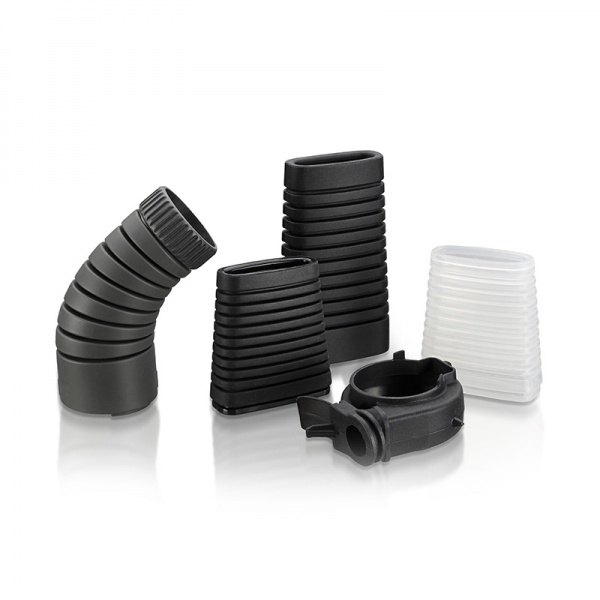

News Products —
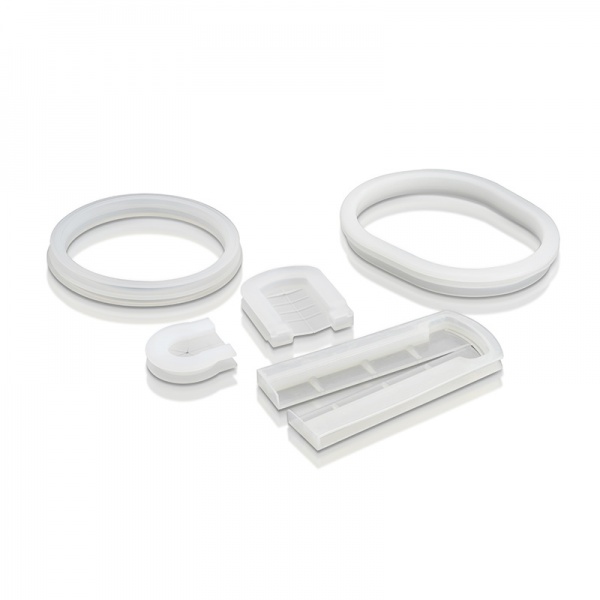
INQUIRY


Add Successfully

Hey there, I’m Steve!
15+ years in medical silicone accessories, linking manufacturers and healthcare providers for compliant, high-quality products. Trusted advisor focused on innovation and patient care. If you are looking for custom-made silicone rubber products, feel free to ask me any questions.
Hey there, I’m Steve!
15+ years in medical silicone accessories, linking manufacturers and healthcare providers for compliant, high-quality products. Trusted advisor focused on innovation and patient care. If you are looking for custom-made silicone rubber products, feel free to ask me any questions.
Welcome to contact us
If you have any questions, please fill in the relevant information. Weare very willing to provide more information and a full range ofservices for both you and your company
Welcome to contact us
If you have any questions, please fill in the relevant information. Weare very willing to provide more information and a full range ofservices for both you and your company
EXNAN
点击右上角
分享给朋友吧
Copyright © 2004-2024 Guangdong Exnan Technology Co.,Ltd
点击右上角
分享给朋友吧
Copyright © 2004-2024 Guangdong Exnan Technology Co.,Ltd

 +86-0752-3869959 / 3869960
 +86 180 0752 8206
 Building 8, China-Korea Emerging Intelligent Manufacturing Industrial Park, No.27, Songbailing Road, China-Korea (Huizhou) Industrial Park, Zhongkai Area, Huizhou City, Guangdong Province, China

WeChat scan
