

Contact Us
lf you have any queries, get in touch today! Don't hesitate, We try to take the extra step forour customer satisfaction.

Hey there, I’m Steve!
I’m the sales manager of exnan medical silicone. I have been in this field for more than ten years. If you are looking for custom-made silicone rubber products, feel free to ask me any questions.
"
Our certificate
Possess 800 square meters of Class 10,000 dust-free workshop, Passed ISO9001:2015 quality management system certification and ISO13485:2016 medical device quality management system, and its products have obtained multiple biocompatibility tests, US FDA and EU LFGB certifications.
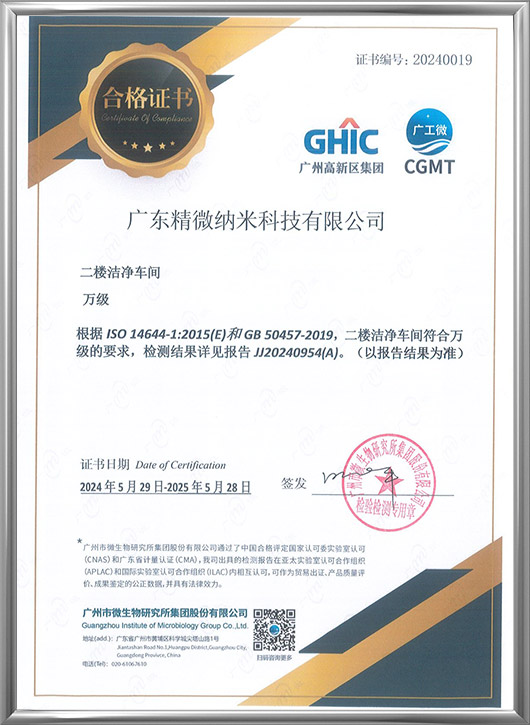
Class 10,000 cleanroom certification
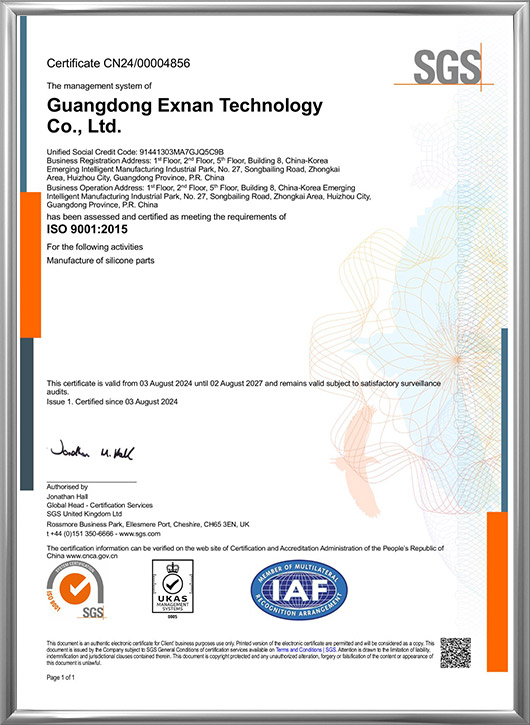
ISO 9001:2015
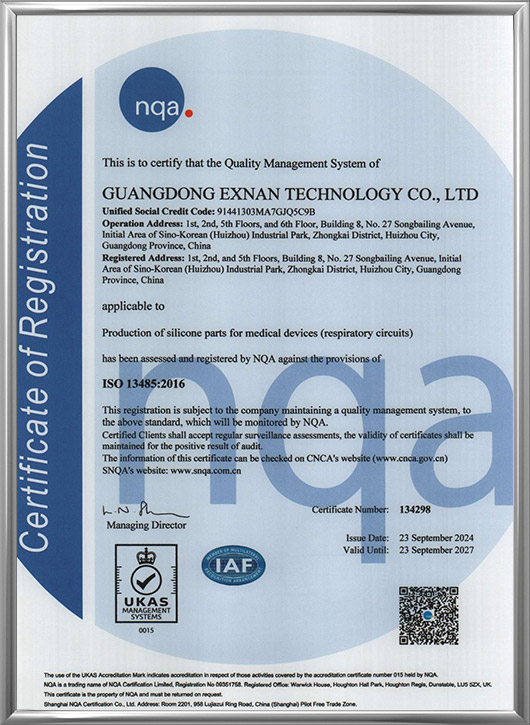
ISO 13485:2016
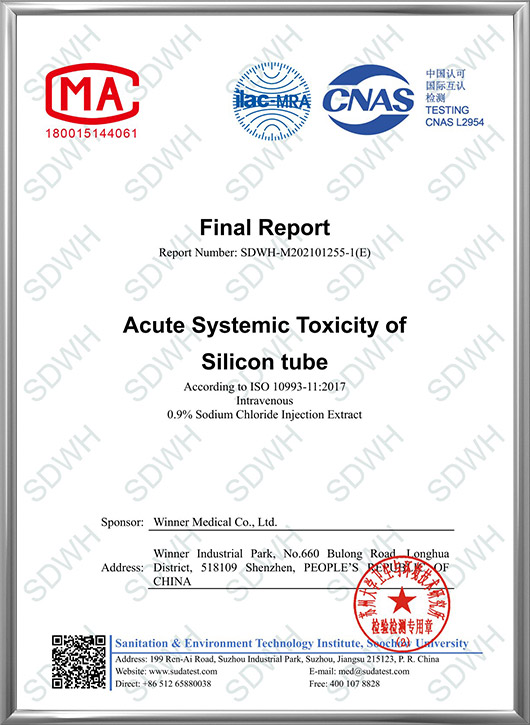
ISO 10993-11:2017 Tail vein injection
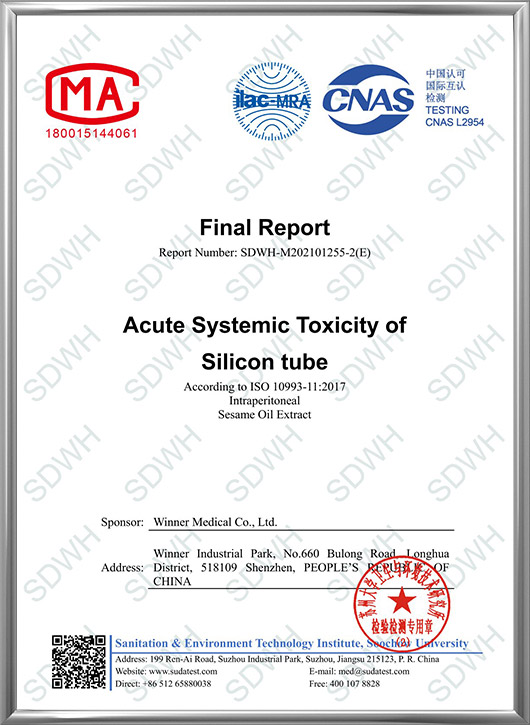
ISO 10993-11:2017 Intraperitoneal injection
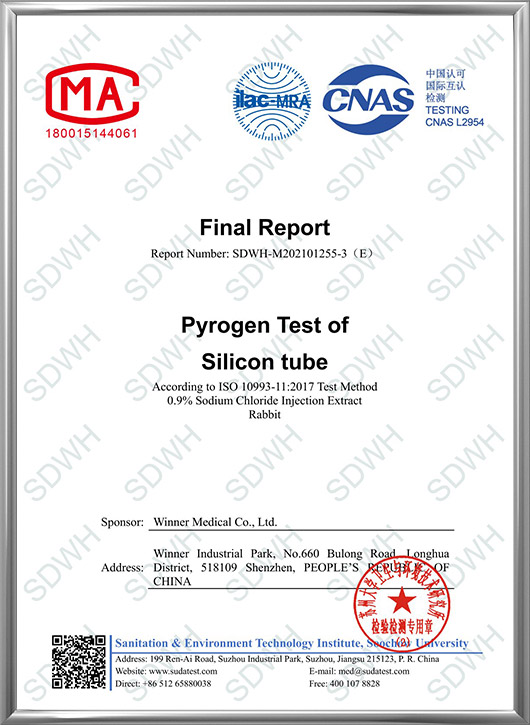
ISO 10993-11:2017 Pyrogens
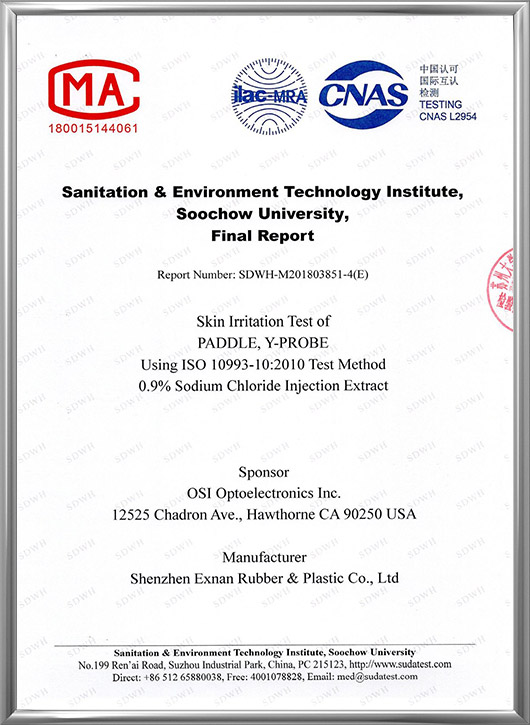
Skin irritation test for extract of 0.9% sodium chloride injection
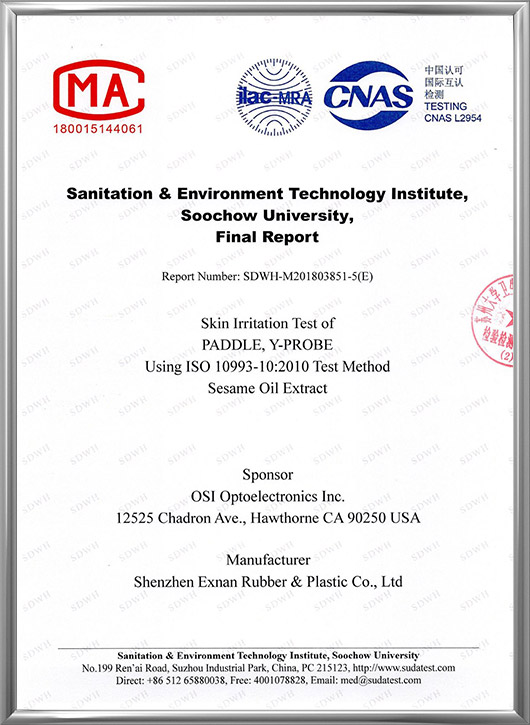
Skin irritation test for sesame oil extraction
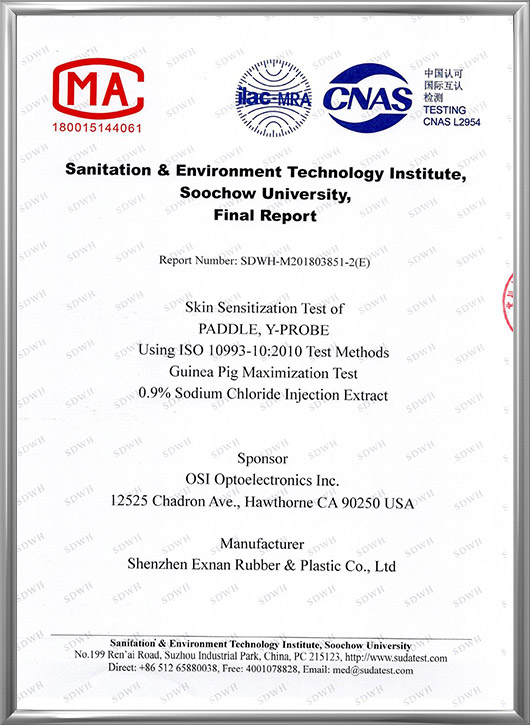
Skin sensitization test in guinea pigs using the maximization method with 0.9% sodium chloride injec
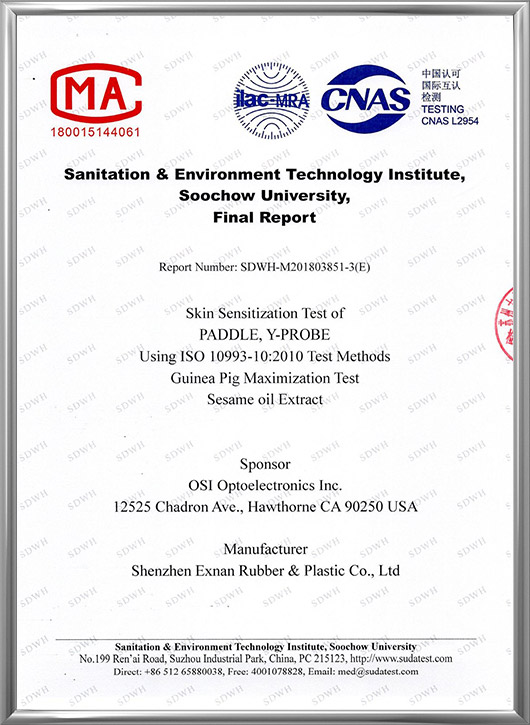
Skin sensitization test in guinea pigs:maximization method with sesame oil extraction
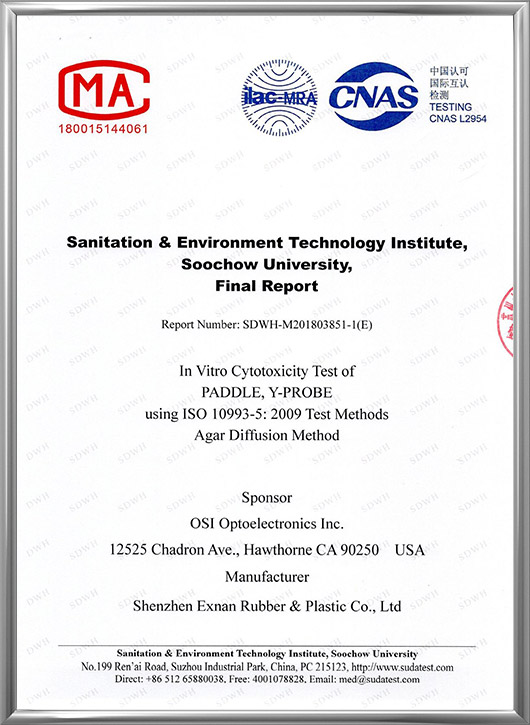
Cell toxicity test:agar diffusion method
Cooperating customers
Till now, Exnan products has been exports 35 countries, and more than 500 Medical equipment factory, health care companies, hospitals, clinics use our products, and win good reputation.



















New
Our silicone accessories meet international medical standards through strict quality control.
Ensure patient safety with our premium products. Explore our catalog today!
News
Our silicone accessories meet international medical standards through strict quality control.
Ensure patient safety with our premium products. Explore our catalog today!
Why Choose Silicone for Medical Device Parts: A Comprehensive Overview
Time: 2024-12-25 15:37:07
Author: Guangdong Exnan Technology Co.,Ltd
Click:
Hey there, healthcare professionals and medical device enthusiasts! When it comes to medical device parts, the material you choose can make all the difference.

1. Introduction
Hey there, healthcare professionals and medical device enthusiasts! When it comes to medical device parts, the material you choose can make all the difference. High-quality materials are essential to ensure the safety, durability, and effectiveness of these devices. Today, we're going to dive into why silicone is the go-to choice for so many medical applications. From its unique properties to real-world case studies, we'll cover it all, and even touch on some exciting future trends.
2. Properties of Silicone
Thermal Stability
Silicone can handle a wide range of temperatures, from freezing cold to scorching hot, without losing its integrity. This makes it perfect for devices that need to withstand sterilization processes, such as autoclaving.
Chemical Resistance
It's not just about temperature; silicone is also highly resistant to chemicals and biological fluids. This means it won't react or degrade when exposed to various sterilizing agents, medications, or bodily fluids.
Tear Resistance
Silicone is incredibly durable and can withstand repeated use and cleaning. This is crucial for medical devices that need to last over long periods, like respiratory masks.
Biocompatibility
One of the biggest advantages of silicone is its high biocompatibility. It's safe to use in and on the human body, reducing the risk of adverse reactions and making it ideal for long-term implants.
Hydrophobicity and Lubricity
Silicone's natural water-repellent properties and lubricity make it a great choice for devices that need to slide smoothly, like syringes and surgical tools. It also helps in preventing bacterial growth and contamination.

3. Applications of Silicone in Medical Device Components
Balloon Catheters
Balloon catheters are used in a variety of medical procedures, from angioplasty to urology. Silicone's flexibility and durability make it an excellent material for these catheters, ensuring they can expand and contract as needed without breaking.
Compression Bars
Compression bars are used to apply consistent pressure in devices like compression garments and braces. Silicone's ability to maintain its shape and provide reliable pressure makes it a top choice for these components.
| Application | Benefit |
| Balloon Catheters | Flexibility, durability |
| Compression Bars | Consistent pressure, shape retention |
| Tubing for Feeding and Drainage | Non-toxic, flexible, durable |
| Infusion Sleeves and Test Chambers | Precise drug delivery, easy cleaning |
| Ear Plugs and Hearing Aids | Comfort, effective sealing |
Tubing for Feeding and Drainage
Silicone tubing is non-toxic, flexible, and durable, making it perfect for feeding tubes and drainage systems. It can handle the rigors of long-term use and repeated sterilization.
Infusion Sleeves and Test Chambers
Infusion sleeves and test chambers need to be precise and easy to clean. Silicone's smooth surface and chemical resistance make it an ideal material for these applications, ensuring accurate drug delivery and reliable testing.
Ear Plugs and Hearing Aids
Silicone is used in ear plugs and hearing aids due to its comfort and effective sealing properties. It can be easily molded to fit the unique shape of each patient's ear, providing a secure and comfortable fit.

4. Case Studies and Examples
Silicone Masks During the Pandemic
During the coronavirus pandemic, the demand for reusable and safe masks skyrocketed. Silicone masks emerged as a viable alternative to N95 respirators, reducing waste and ensuring long-term safety for healthcare workers.
iMASC Silicone Mask
Researchers from the Massachusetts Institute of Technology (MIT) and Brigham and Women’s Hospital in Boston collaborated to develop the iMASC (Innovative Mask with Advanced Sealing and Containment) silicone mask. This mask offers protection comparable to N95 respirators and can be safely reused without the fear of contamination.
- Protection Level: Comparable to N95
- Reusability: Can be safely reused
- Comfort: Soft and comfortable to wear
Source: MIT News - Reusable silicone masks offer viable alternative to N95 respirators
Other Medical Devices
Silicone is also used in a variety of other medical devices, such as pacemakers and breast implants. Its biocompatibility and durability make it a safe and effective choice for these long-term implants.

5. Advantages of Silicone Over Alternative Materials
Comparative Analysis
| Material | Stability | Chemical Resistance | Tear Resistance | Biocompatibility | Hydrophobicity and Lubricity |
| Silicone | Excellent | Excellent | Excellent | Excellent | Excellent |
| Latex | Poor | Good | Poor | Poor | Poor |
| Rubber | Good | Good | Good | Good | Good |
| Plastics | Varies | Varies | Varies | Varies | Varies |
Safety and Reliability
Silicone is known for its safety and reliability in medical applications. It doesn't cause allergic reactions like latex can, and it can be sterilized multiple times without losing its properties.
Cost-effectiveness
While the initial cost of silicone parts may be higher than some alternatives, the long-term cost savings are significant. Silicone parts are durable and can be reused, reducing the need for frequent replacements and minimizing waste.
6. Future Trends and Innovations
Market Growth
The medical-grade silicone industry is projected to grow significantly in the coming years. This growth is driven by the increasing need for high-quality, durable medical devices and components.
Source: Grand View Research - Medical Grade Silicone Market
New Developments
Elkem Silicones, a leading player in the industry, recently announced the establishment of a new specialized facility for high-purity medical silicone production. This facility features state-of-the-art ISO-certified cleanrooms, ensuring that the produced materials meet the strict requirements of the MedTech and Pharma markets.
Source: Elkem Silicones - New Medical Silicone Facility
Increasing Demand
The demand for surgical procedures and implantable devices is on the rise, especially in regions like the Asia Pacific and North America. Trends like breast augmentation and hip replacements are driving this demand, and silicone is well-positioned to meet these needs due to its unique properties.

7. Conclusion
In summary, silicone's exceptional properties make it a top choice for medical device parts. From its thermal stability and chemical resistance to its biocompatibility and reusability, silicone offers numerous advantages that can improve patient care and safety. With ongoing innovations and market growth, the future of silicone in medical devices looks bright.
At EXNAN, we specialize in providing high-quality silicone materials for various medical applications. Our commitment to innovation and safety ensures that you get the best products for your needs. Whether you're looking for silicone tubing, compression bars, or custom-molded components, EXNAN has got you covered. Check out our product line to see how we can help you enhance your medical devices.

点击右上角
分享给朋友吧







 Long by picture save/share
0
Prev : Silicone Seals and Gaskets for Medical Equipment
Next : The Applications and Benefits of Silicone in Medical Devices
文章推荐
Silicone Parts Fail After Sterilization: 5 Proven Fixes
Medical Silicone vs. TPE/TPU: Why Is Silicone Still the Preferred Material for Medical Consumables?
Medical Silicone Mold Design: The First Gateway to Product Precision
New Requirements of ISO13485:2016 for Medical Silicone Suppliers
Medical Silicone Consumables Market Sees New Growth: Respiratory Equipment Drives Demand for Precision Components
Related news recommendations —
Related Products —




News Products —
INQUIRY


Add Successfully

Hey there, I’m Steve!
15+ years in medical silicone accessories, linking manufacturers and healthcare providers for compliant, high-quality products. Trusted advisor focused on innovation and patient care. If you are looking for custom-made silicone rubber products, feel free to ask me any questions.
Hey there, I’m Steve!
15+ years in medical silicone accessories, linking manufacturers and healthcare providers for compliant, high-quality products. Trusted advisor focused on innovation and patient care. If you are looking for custom-made silicone rubber products, feel free to ask me any questions.
Welcome to contact us
If you have any questions, please fill in the relevant information. Weare very willing to provide more information and a full range ofservices for both you and your company
Welcome to contact us
If you have any questions, please fill in the relevant information. Weare very willing to provide more information and a full range ofservices for both you and your company
EXNAN
点击右上角
分享给朋友吧
Copyright © 2004-2024 Guangdong Exnan Technology Co.,Ltd
点击右上角
分享给朋友吧
Copyright © 2004-2024 Guangdong Exnan Technology Co.,Ltd

 +86-0752-3869959 / 3869960
 +86 180 0752 8206
 Building 8, China-Korea Emerging Intelligent Manufacturing Industrial Park, No.27, Songbailing Road, China-Korea (Huizhou) Industrial Park, Zhongkai Area, Huizhou City, Guangdong Province, China

WeChat scan
