

Contact Us
lf you have any queries, get in touch today! Don't hesitate, We try to take the extra step forour customer satisfaction.

Hey there, I’m Steve!
I’m the sales manager of exnan medical silicone. I have been in this field for more than ten years. If you are looking for custom-made silicone rubber products, feel free to ask me any questions.
"
Our certificate
Possess 800 square meters of Class 10,000 dust-free workshop, Passed ISO9001:2015 quality management system certification and ISO13485:2016 medical device quality management system, and its products have obtained multiple biocompatibility tests, US FDA and EU LFGB certifications.
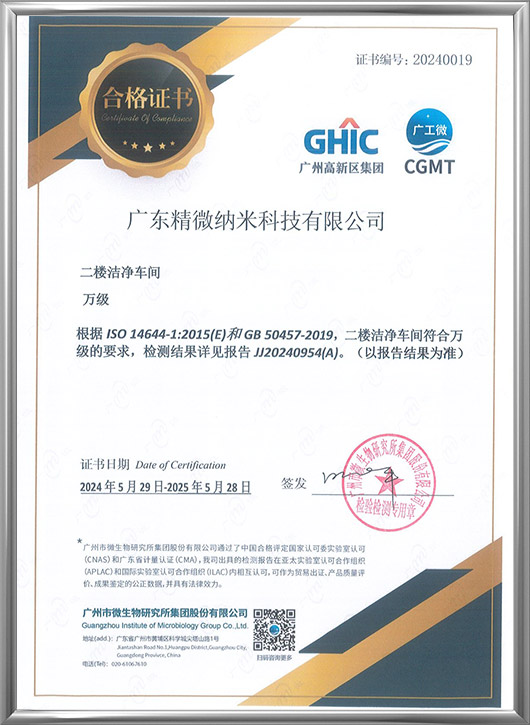
Class 10,000 cleanroom certification
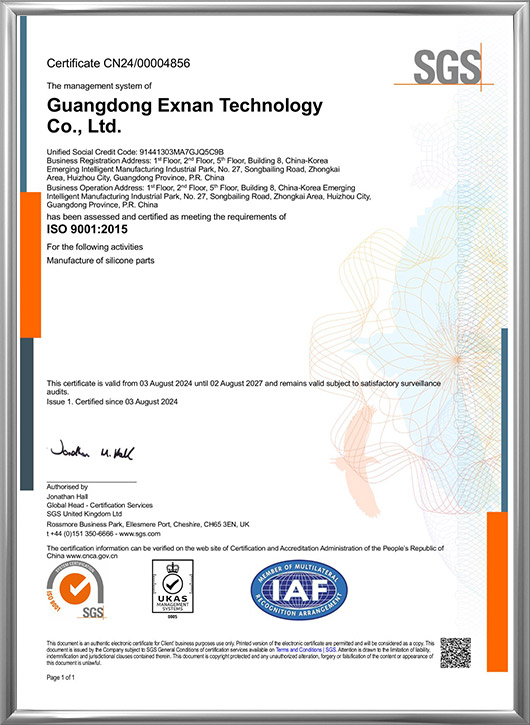
ISO 9001:2015
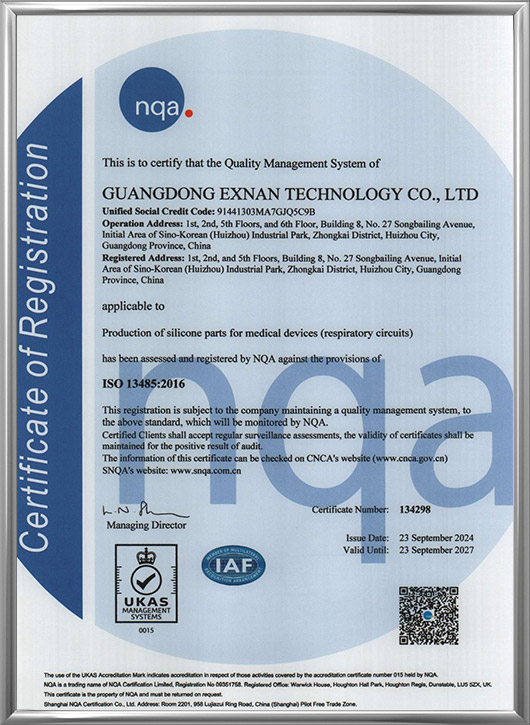
ISO 13485:2016
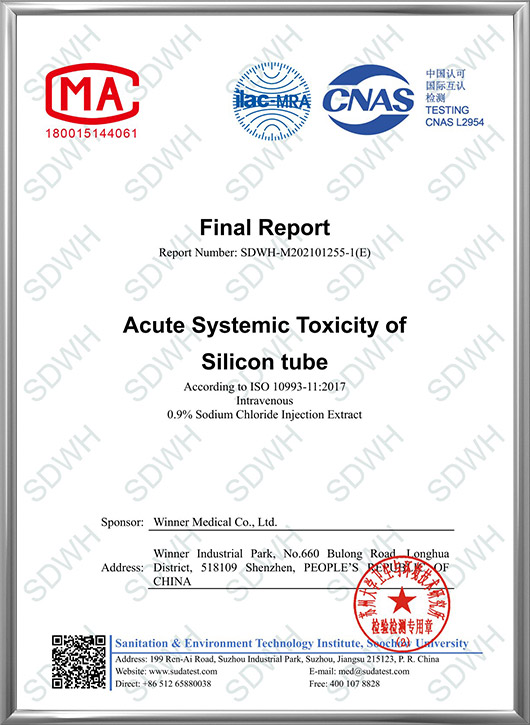
ISO 10993-11:2017 Tail vein injection
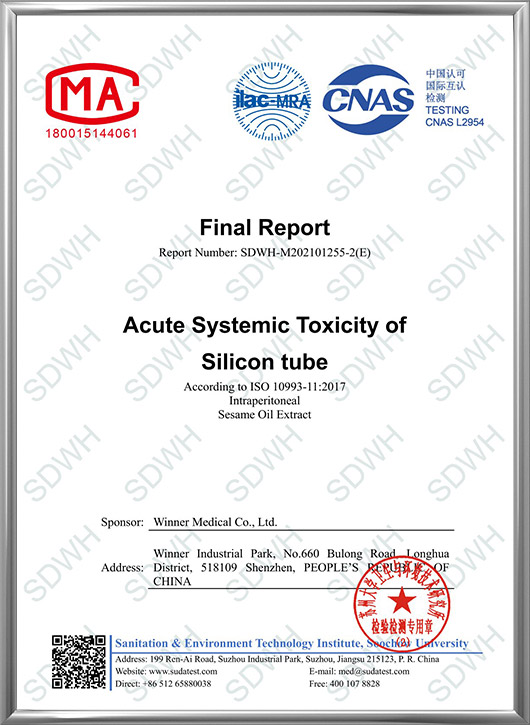
ISO 10993-11:2017 Intraperitoneal injection
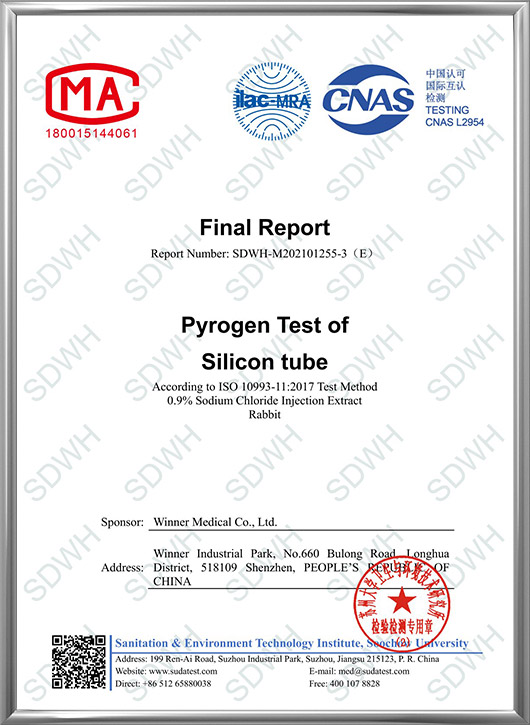
ISO 10993-11:2017 Pyrogens
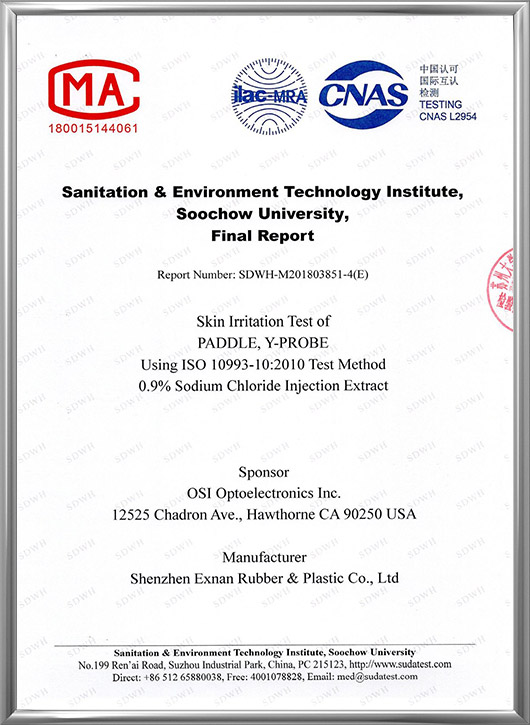
Skin irritation test for extract of 0.9% sodium chloride injection
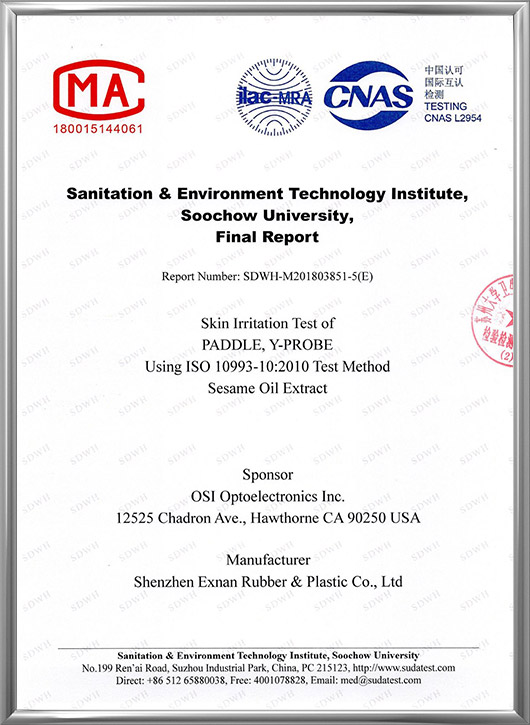
Skin irritation test for sesame oil extraction
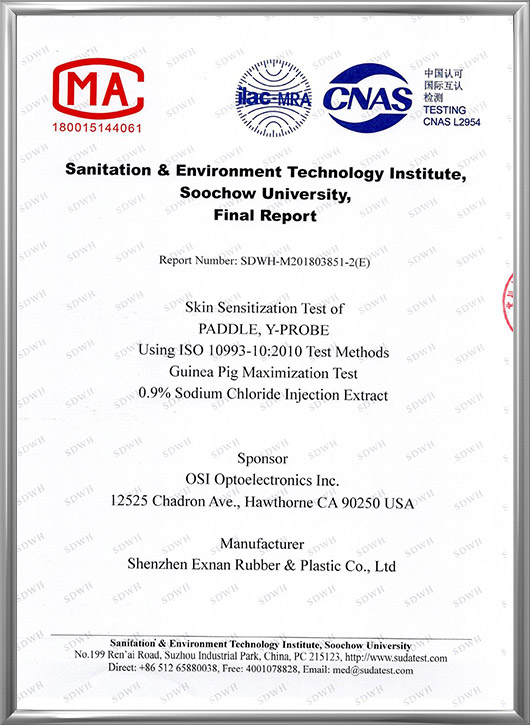
Skin sensitization test in guinea pigs using the maximization method with 0.9% sodium chloride injec
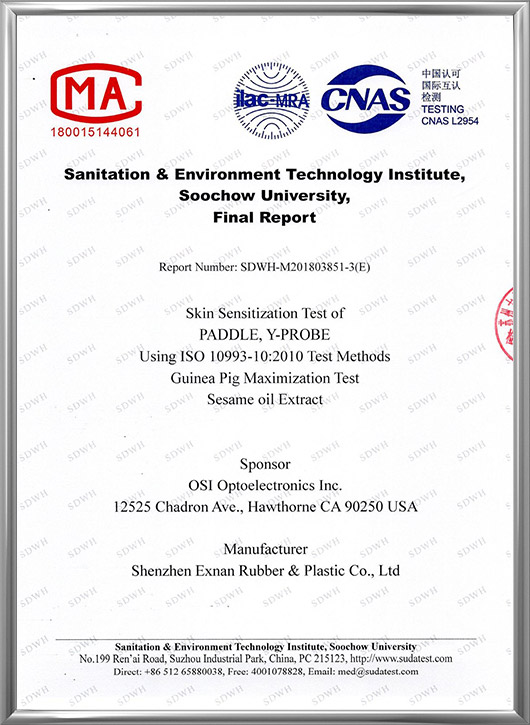
Skin sensitization test in guinea pigs:maximization method with sesame oil extraction
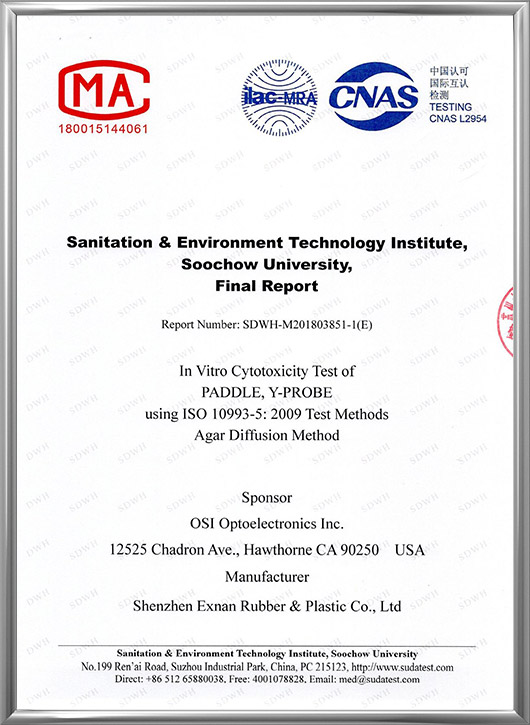
Cell toxicity test:agar diffusion method
Cooperating customers
Till now, Exnan products has been exports 35 countries, and more than 500 Medical equipment factory, health care companies, hospitals, clinics use our products, and win good reputation.









New
Our silicone accessories meet international medical standards through strict quality control.
Ensure patient safety with our premium products. Explore our catalog today!
News
Our silicone accessories meet international medical standards through strict quality control.
Ensure patient safety with our premium products. Explore our catalog today!
What is the difference between HTV and LSR silicone?
Time: 2025-07-01 10:04:47
Author: Guangdong Exnan Technology Co.,Ltd
Click:
HTV silicone is typically specified for applications demanding high drinking water purity or specific food-contact approvals. LSR (Liquid Silicone Rubber), while also suitable for high food quality requirements, excels in scenarios needing superior mechanical performance; tear resistance is a prime example of its advantage.
Q: What is the difference between HTV and LSR silicone?
A: HTV silicone is typically specified for applications demanding high drinking water purity or specific food-contact approvals. LSR (Liquid Silicone Rubber), while also suitable for high food quality requirements, excels in scenarios needing superior mechanical performance; tear resistance is a prime example of its advantage.
Q: What is the difference between LSR and HCR silicone?
A: The primary distinction between LSR (Liquid Silicone Rubber) and HCR (High Consistency Rubber) lies in their physical state and flow behavior – essentially their viscosity. LSR possesses a significantly lower viscosity, granting it excellent flow properties ideal for efficient injection molding processes.
Q: What is HTV high temperature vulcanizing silicone rubber?
A: HTV (High-Temperature Vulcanizing Silicone Rubber) is a highly adaptable elastomer. Similar to other rubbers, it can be manufactured into diverse formats like tubes, strips, rollers, and sheets. A key attribute enabling silicone rubber's replacement of traditional rubbers in many uses is its outstanding biocompatibility, inherent in HTV grades.
Q: What is the difference between silicone and liquid silicone?
A: The fundamental difference between liquid silicone and solid (cured) silicone is their physical state. Liquid silicone refers to an uncured polymer exhibiting fluid, viscous behavior (appearing as a thick liquid) before processing and molding. Solid silicone, achieved after vulcanization (curing), possesses a definitive structural integrity, shape, and hardness.
Q: What is the difference between high temperature silicone and regular silicone?
A: The critical operational difference relates to thermal endurance. Standard silicone formulations, available in multiple colors, typically function effectively between -40°F and 400°F. High-temperature silicone variants, often identifiable by red coloration, offer an extended upper service limit, functioning reliably up to 500°F.

点击右上角
分享给朋友吧







 Long by picture save/share
0
文章推荐
Silicone Parts Fail After Sterilization: 5 Proven Fixes
Medical Silicone vs. TPE/TPU: Why Is Silicone Still the Preferred Material for Medical Consumables?
Medical Silicone Mold Design: The First Gateway to Product Precision
New Requirements of ISO13485:2016 for Medical Silicone Suppliers
Medical Silicone Consumables Market Sees New Growth: Respiratory Equipment Drives Demand for Precision Components
Related news recommendations —
Related Products —


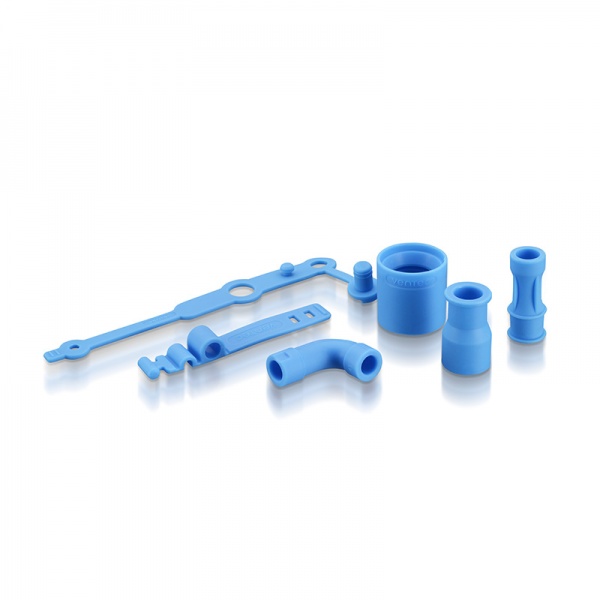

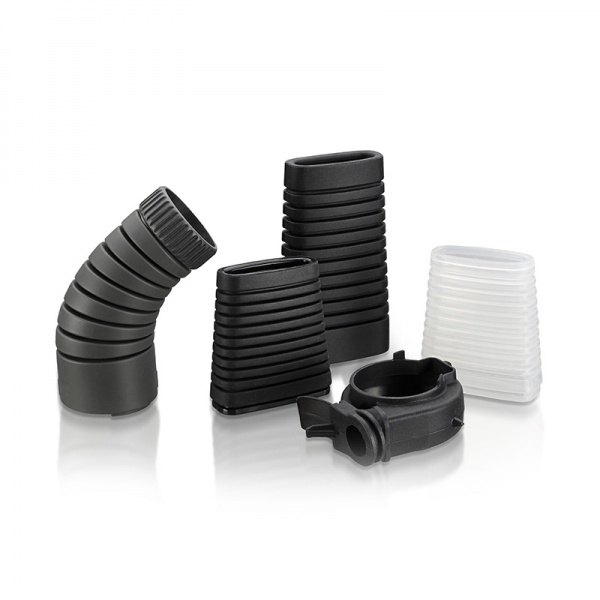

News Products —
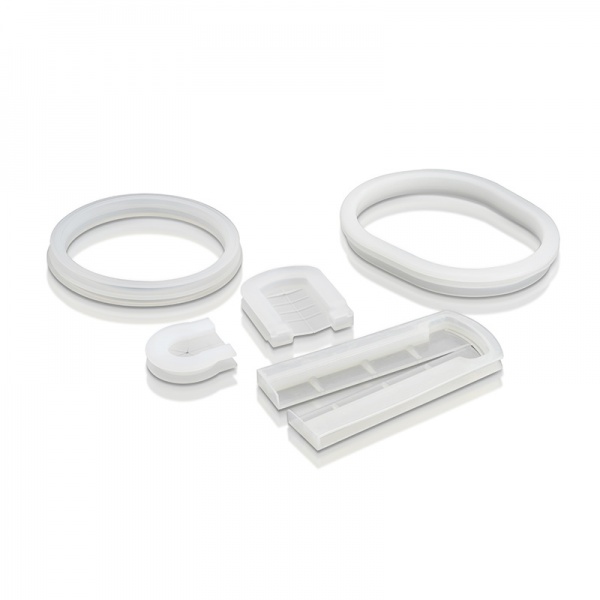
INQUIRY


Add Successfully

Hey there, I’m Steve!
15+ years in medical silicone accessories, linking manufacturers and healthcare providers for compliant, high-quality products. Trusted advisor focused on innovation and patient care. If you are looking for custom-made silicone rubber products, feel free to ask me any questions.
Hey there, I’m Steve!
15+ years in medical silicone accessories, linking manufacturers and healthcare providers for compliant, high-quality products. Trusted advisor focused on innovation and patient care. If you are looking for custom-made silicone rubber products, feel free to ask me any questions.
Welcome to contact us
If you have any questions, please fill in the relevant information. Weare very willing to provide more information and a full range ofservices for both you and your company
Welcome to contact us
If you have any questions, please fill in the relevant information. Weare very willing to provide more information and a full range ofservices for both you and your company
EXNAN
点击右上角
分享给朋友吧
Copyright © 2004-2024 Guangdong Exnan Technology Co.,Ltd
点击右上角
分享给朋友吧
Copyright © 2004-2024 Guangdong Exnan Technology Co.,Ltd

 +86-0752-3869959 / 3869960
 +86 180 0752 8206
 Building 8, China-Korea Emerging Intelligent Manufacturing Industrial Park, No.27, Songbailing Road, China-Korea (Huizhou) Industrial Park, Zhongkai Area, Huizhou City, Guangdong Province, China

WeChat scan
