

Contact Us
lf you have any queries, get in touch today! Don't hesitate, We try to take the extra step forour customer satisfaction.

Hey there, I’m Steve!
I’m the sales manager of exnan medical silicone. I have been in this field for more than ten years. If you are looking for custom-made silicone rubber products, feel free to ask me any questions.
"
Our certificate
Possess 800 square meters of Class 10,000 dust-free workshop, Passed ISO9001:2015 quality management system certification and ISO13485:2016 medical device quality management system, and its products have obtained multiple biocompatibility tests, US FDA and EU LFGB certifications.
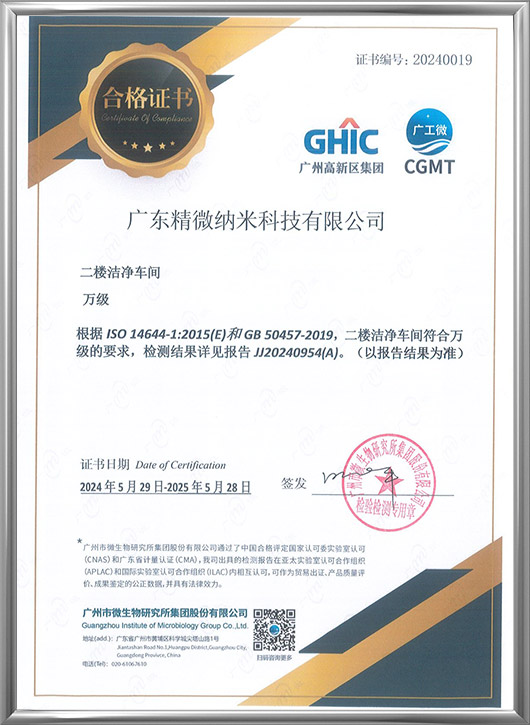
Class 10,000 cleanroom certification
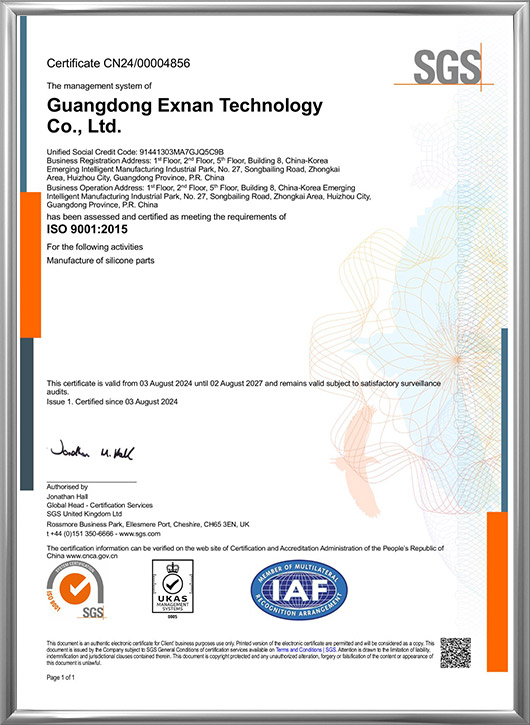
ISO 9001:2015
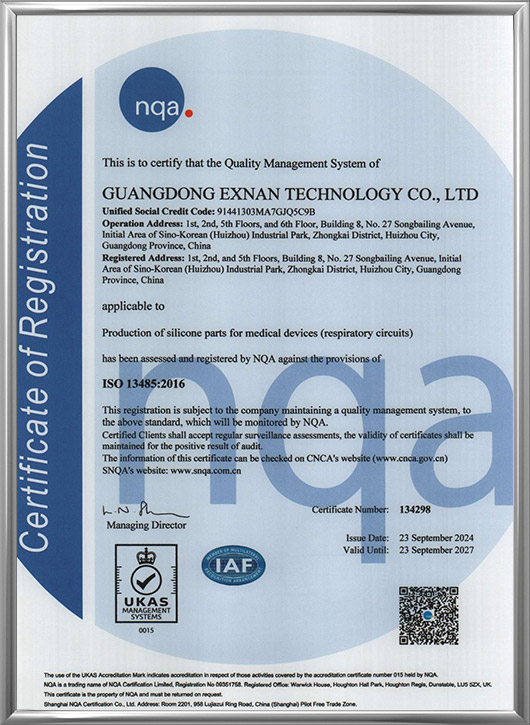
ISO 13485:2016
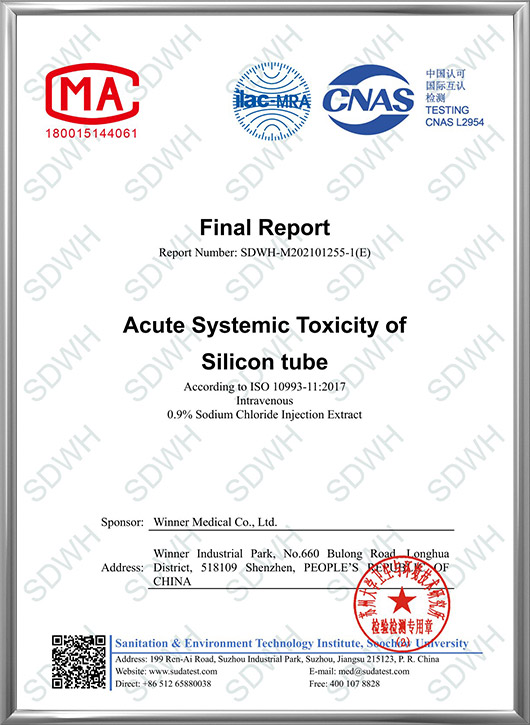
ISO 10993-11:2017 Tail vein injection
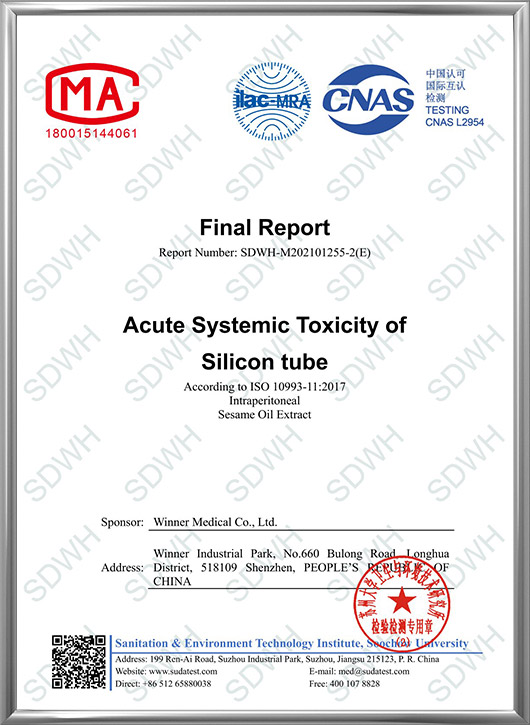
ISO 10993-11:2017 Intraperitoneal injection
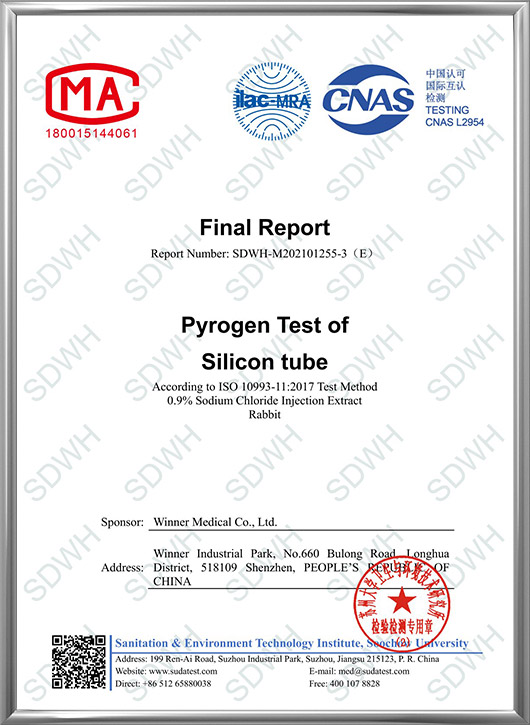
ISO 10993-11:2017 Pyrogens
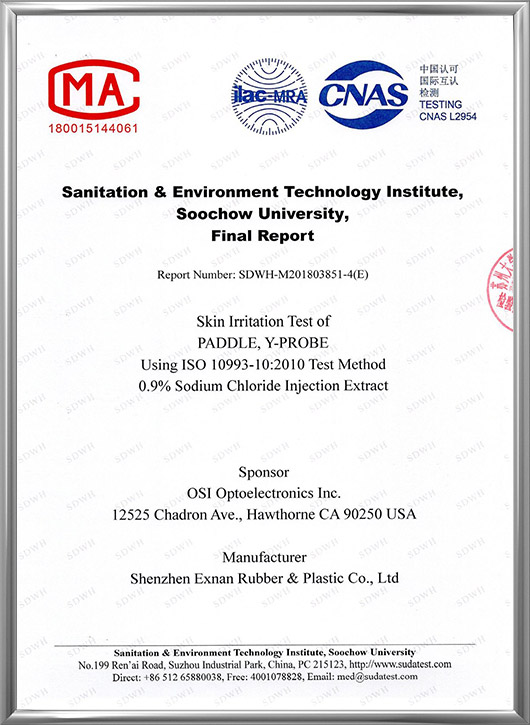
Skin irritation test for extract of 0.9% sodium chloride injection
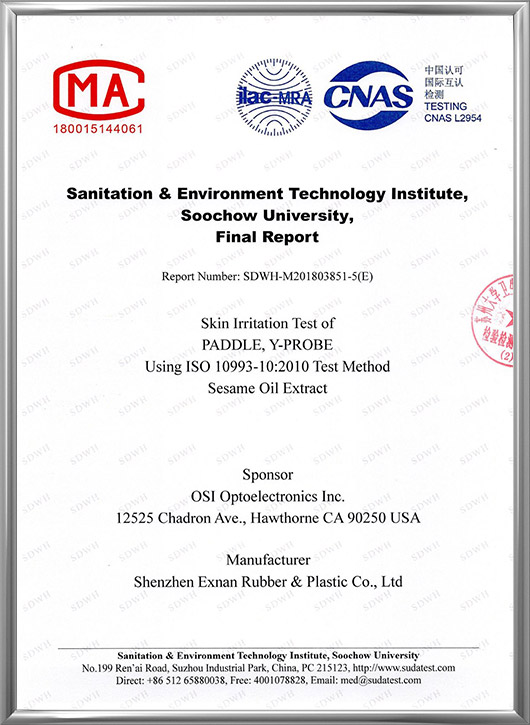
Skin irritation test for sesame oil extraction
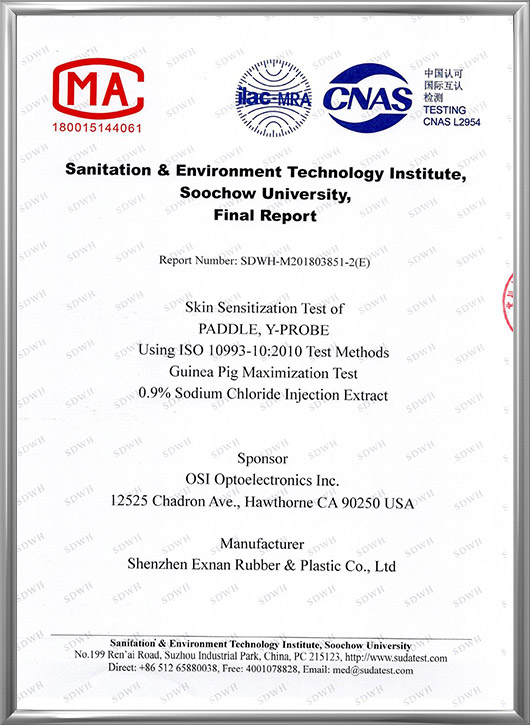
Skin sensitization test in guinea pigs using the maximization method with 0.9% sodium chloride injec
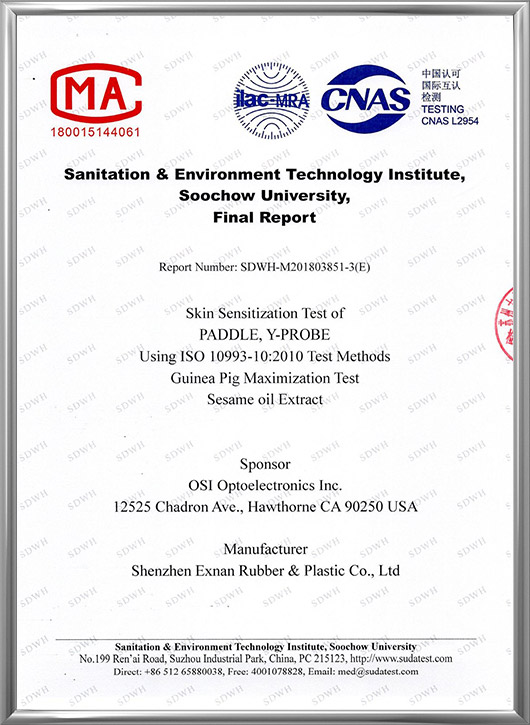
Skin sensitization test in guinea pigs:maximization method with sesame oil extraction
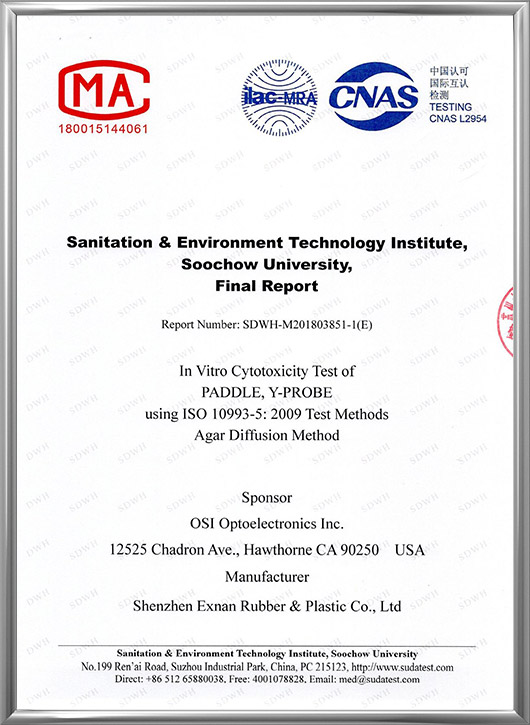
Cell toxicity test:agar diffusion method
Cooperating customers
Till now, Exnan products has been exports 35 countries, and more than 500 Medical equipment factory, health care companies, hospitals, clinics use our products, and win good reputation.



















New
Our silicone accessories meet international medical standards through strict quality control.
Ensure patient safety with our premium products. Explore our catalog today!
News
Our silicone accessories meet international medical standards through strict quality control.
Ensure patient safety with our premium products. Explore our catalog today!
What is Medical-Grade Silicone?
Time: 2024-09-12 15:09:23
Author: Guangdong Exnan Technology Co.,Ltd
Click:
Medical-grade silicone is a highly versatile and biocompatible material used ext

Medical-grade silicone is a highly versatile and biocompatible material used extensively in the healthcare and medical device industries. Its unique properties, such as chemical inertness, thermal stability, and flexibility, make it ideal for applications in both short-term and long-term medical devices. But what exactly defines medical-grade silicone, and why is it so widely used in the medical field?
Definition and Characteristics
Medical-grade silicone is a specially formulated silicone material that meets stringent safety and performance standards, ensuring it is safe for human use. It can be found in various forms, including liquid silicone rubber (LSR), high consistency rubber (HCR), adhesive silicone, gels, and fluids. These silicones are tested to ensure they are non-toxic, non-reactive with body tissues, and do not cause allergic reactions, making them ideal for applications inside and outside the human body.
The material must have excellent biocompatibility, meaning it does not cause adverse reactions when in contact with the human body. It should also have a high degree of chemical stability, which allows it to withstand harsh environments such as the body’s fluids, sterilization processes, and fluctuating temperatures.

FDA and LFGB Certification
When silicone meets specific standards, it can be certified for medical use by organizations like the Food and Drug Administration (FDA) or the German LFGB. FDA certification is widely recognized globally and ensures that the silicone is safe for medical devices that may come into direct contact with human tissues. LFGB certification is more stringent and comprehensive, often required for products entering the European market. Both certifications confirm that medical-grade silicone is safe for its intended use, though LFGB-certified products tend to be more expensive due to stricter testing.

Properties of Medical-Grade Silicone
1.Temperature Resistance: Medical-grade silicone can withstand a broad range of temperatures, from -60°C to +270°C. This feature is critical in medical environments where devices must endure extreme heat during sterilization or freezing conditions in storage.
2.High Elasticity and Flexibility: Silicone’s natural elasticity allows it to conform to a variety of shapes, making it perfect for products that need to interact with the human body, such as catheters, respirator components, or prosthetics.
3.Resistance to Chemicals and Sterilization: Medical-grade silicone is highly resistant to chemicals, meaning it does not degrade when exposed to substances like alcohol or hydrogen peroxide. It can also withstand various sterilization methods, including autoclaving, UV, and radiation, without compromising its structure.
4.Biocompatibility: Perhaps the most important feature of medical-grade silicone is its biocompatibility. It does not react negatively with human tissue, nor does it break down in the body, making it safe for use in both short-term and long-term implants.
5.Antibacterial Properties: Silicone is naturally hydrophobic, meaning it repels water, which helps reduce the risk of bacterial growth. This property is particularly beneficial in medical settings where infection control is critical.

Types of Medical-Grade Silicone
1.Liquid Silicone Rubber (LSR): This is a popular choice for medical devices that require precision and detail. LSR is used in injection molding to create complex, high-tolerance components with fine detail. It’s commonly found in parts like respiratory masks and seals.
2.High Consistency Rubber (HCR): Known for its strength and durability, HCR is often used in products that undergo extrusion processes or require more robust molding. Its high viscosity makes it ideal for producing tubing, such as catheters or infusion tubes.
3.Silicone Adhesives: These are used for applications that require reliable bonding between materials, such as wound care products, medical tapes, and transdermal drug delivery systems. Silicone adhesives are hypoallergenic and gentle on the skin.
4.Room Temperature Vulcanizing (RTV) Silicone: This type of silicone is soft, durable, and often used in products that come into direct contact with the skin, such as prosthetic liners, bandages, and orthotic inserts. RTV silicone is favored for its comfort and ability to adapt to body movements.
5.Silicone Gels and Fluids: Silicone gels are soft elastomers, commonly used for cushioning applications like breast prostheses or wound dressings. Silicone fluids, on the other hand, are often used as coatings or lubricants in drug delivery devices and surgical tools due to their excellent lubricity.

Applications in the Medical Field
Medical-grade silicone’s versatility allows it to be used in a vast array of medical devices. Some of the key applications include:
1.Implants: Medical-grade silicone is frequently used in implants such as breast prostheses, cardiac stents, and contraceptive devices. It is valued for its long-term durability and biocompatibility.
2.Medical Tubing and Catheters: Silicone’s flexibility and chemical resistance make it ideal for medical tubing, including urinary catheters, nasogastric tubes**, and **IV tubing**.
3.Wound Care: Silicone adhesives and dressings are used in wound care products. They provide non-traumatic adhesion, helping to minimize skin damage during dressing changes, while also protecting wounds from bacteria and moisture.
4.Prosthetics and Orthotics: Silicone is used in prosthetic limbs and orthotic devices due to its soft, flexible nature, which enhances comfort and helps prevent irritation when in prolonged contact with the skin.
5.Wearable Devices: In the rapidly growing field of wearable medical devices, silicone plays a key role in providing skin-safe materials that offer both comfort and durability.

Conclusion
Medical-grade silicone is an indispensable material in modern healthcare. Its unique combination of biocompatibility, flexibility, and resistance to harsh conditions has made it a staple in the manufacturing of medical devices. From implants to wound care products, medical-grade silicone continues to enhance patient care, comfort, and safety. As medical technology advances, the role of silicone is set to expand even further, driving innovation across the industry.

点击右上角
分享给朋友吧







 Long by picture save/share
0
文章推荐
Medical Silicone vs. TPE/TPU: Why Is Silicone Still the Preferred Material for Medical Consumables?
Medical Silicone Mold Design: The First Gateway to Product Precision
New Requirements of ISO13485:2016 for Medical Silicone Suppliers
Medical Silicone Consumables Market Sees New Growth: Respiratory Equipment Drives Demand for Precision Components
From Concept to Compliant Mass Production – EXNAN’s One‑Stop Custom Implantable Silicone Components Service
Related news recommendations —
Related Products —



News Products —
INQUIRY


Add Successfully

Hey there, I’m Steve!
15+ years in medical silicone accessories, linking manufacturers and healthcare providers for compliant, high-quality products. Trusted advisor focused on innovation and patient care. If you are looking for custom-made silicone rubber products, feel free to ask me any questions.
Hey there, I’m Steve!
15+ years in medical silicone accessories, linking manufacturers and healthcare providers for compliant, high-quality products. Trusted advisor focused on innovation and patient care. If you are looking for custom-made silicone rubber products, feel free to ask me any questions.
Welcome to contact us
If you have any questions, please fill in the relevant information. Weare very willing to provide more information and a full range ofservices for both you and your company
Welcome to contact us
If you have any questions, please fill in the relevant information. Weare very willing to provide more information and a full range ofservices for both you and your company
EXNAN
点击右上角
分享给朋友吧
Copyright © 2004-2024 Guangdong Exnan Technology Co.,Ltd
点击右上角
分享给朋友吧
Copyright © 2004-2024 Guangdong Exnan Technology Co.,Ltd

 +86-0752-3869959 / 3869960
 +86 180 0752 8206
 Building 8, China-Korea Emerging Intelligent Manufacturing Industrial Park, No.27, Songbailing Road, China-Korea (Huizhou) Industrial Park, Zhongkai Area, Huizhou City, Guangdong Province, China

WeChat scan
