

Contact Us
lf you have any queries, get in touch today! Don't hesitate, We try to take the extra step forour customer satisfaction.

Hey there, I’m Steve!
I’m the sales manager of exnan medical silicone. I have been in this field for more than ten years. If you are looking for custom-made silicone rubber products, feel free to ask me any questions.
"
Our certificate
Possess 800 square meters of Class 10,000 dust-free workshop, Passed ISO9001:2015 quality management system certification and ISO13485:2016 medical device quality management system, and its products have obtained multiple biocompatibility tests, US FDA and EU LFGB certifications.
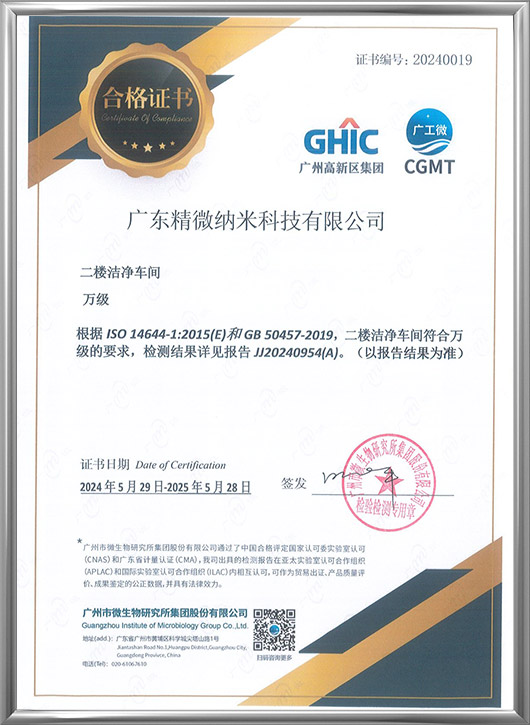
Class 10,000 cleanroom certification
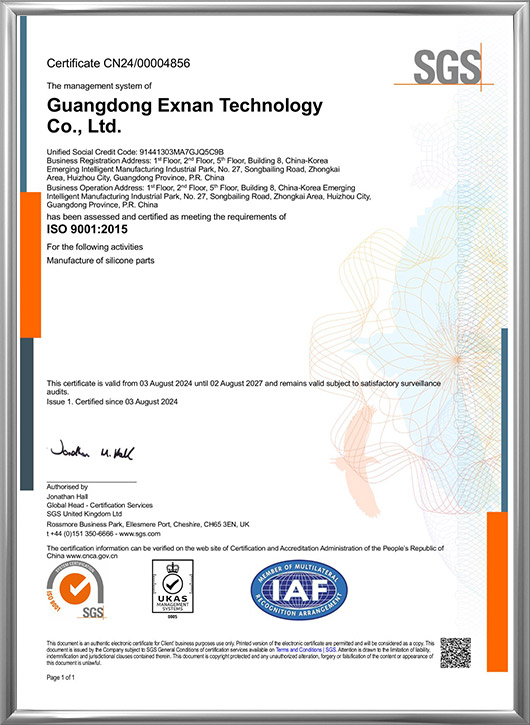
ISO 9001:2015
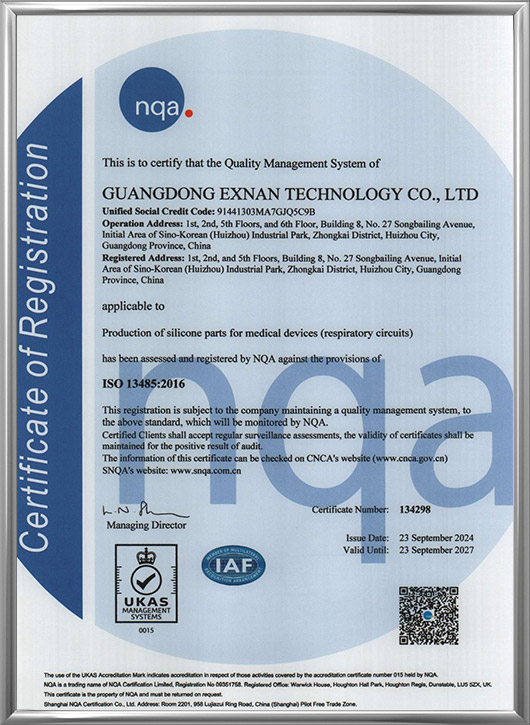
ISO 13485:2016
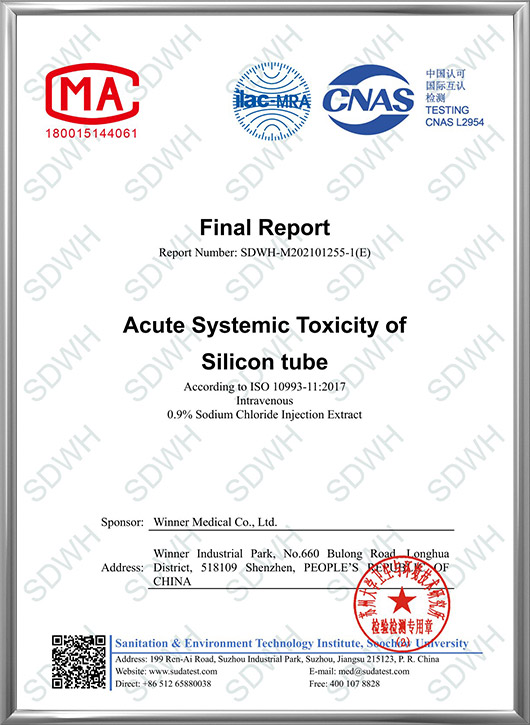
ISO 10993-11:2017 Tail vein injection
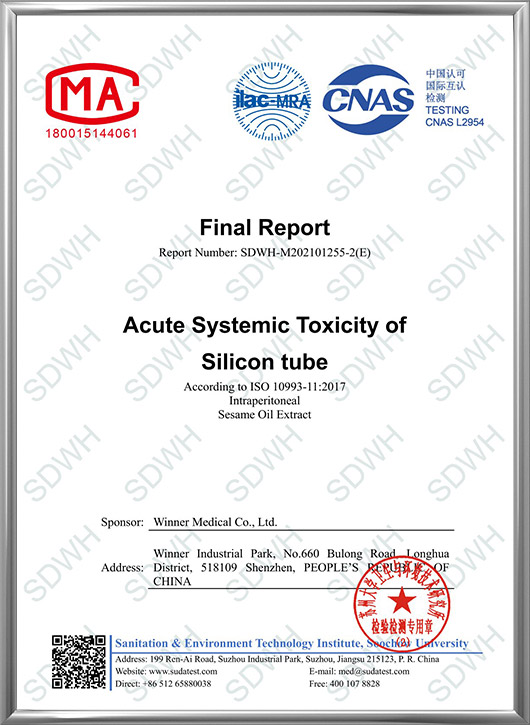
ISO 10993-11:2017 Intraperitoneal injection
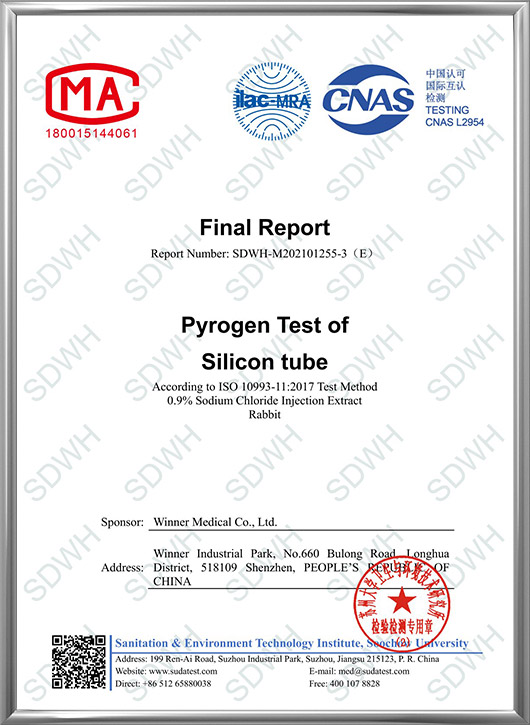
ISO 10993-11:2017 Pyrogens
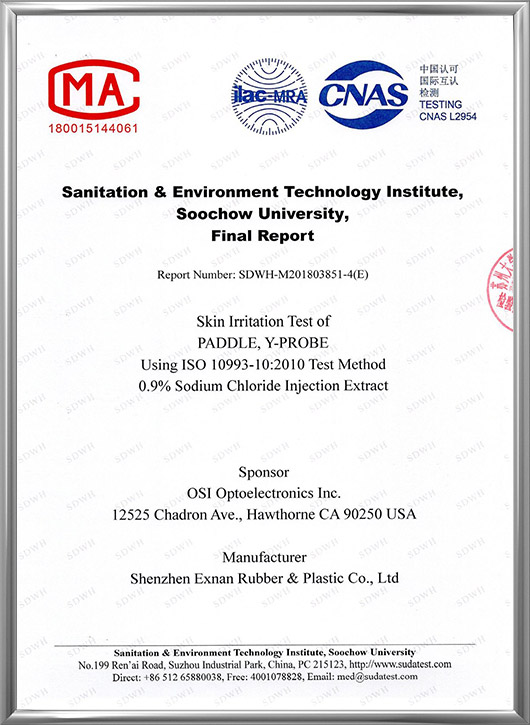
Skin irritation test for extract of 0.9% sodium chloride injection
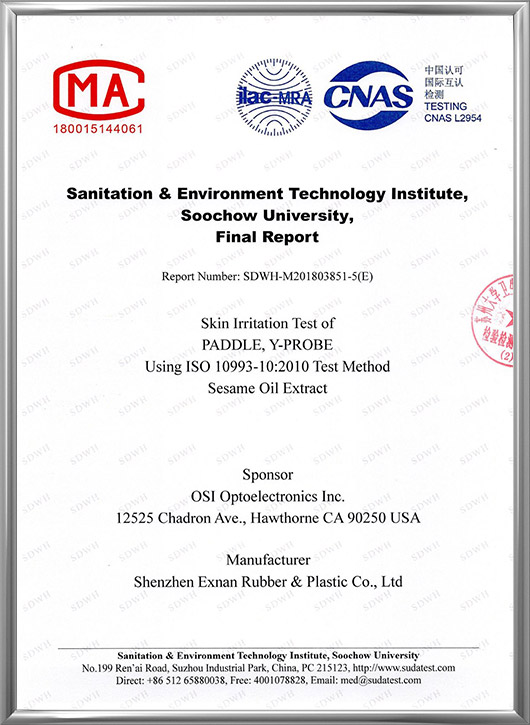
Skin irritation test for sesame oil extraction
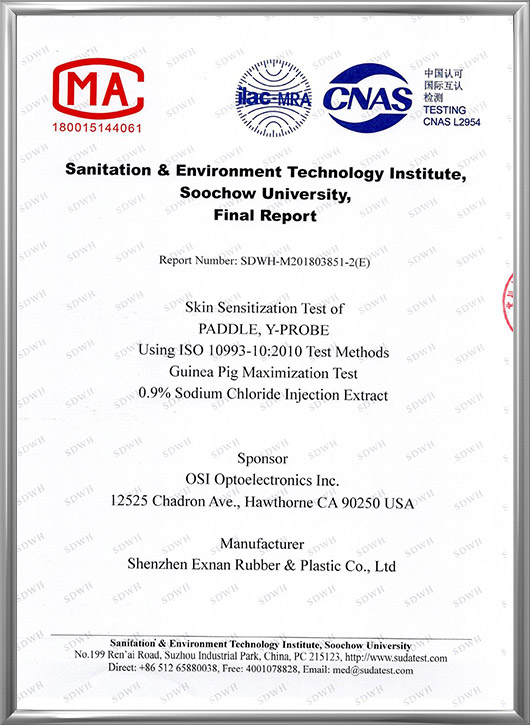
Skin sensitization test in guinea pigs using the maximization method with 0.9% sodium chloride injec
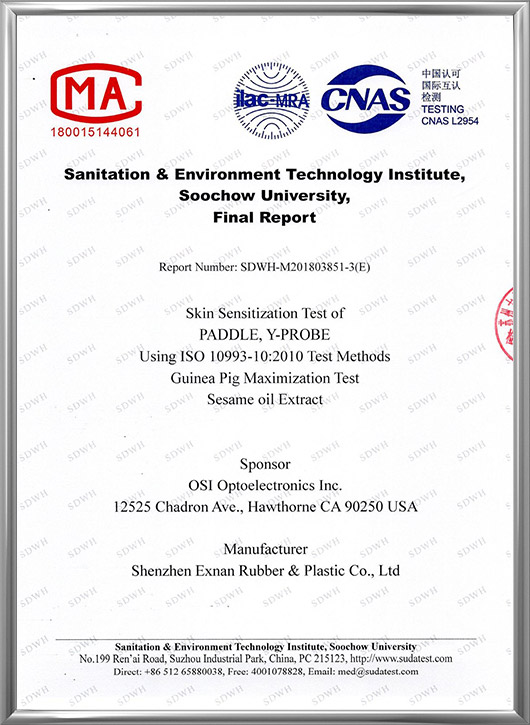
Skin sensitization test in guinea pigs:maximization method with sesame oil extraction
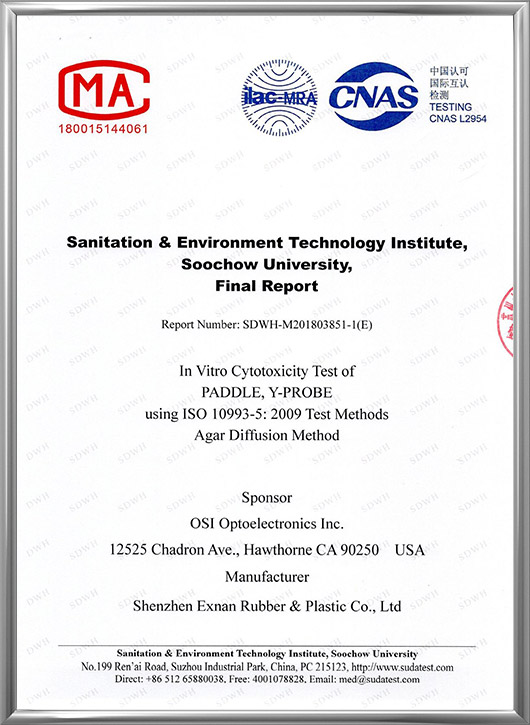
Cell toxicity test:agar diffusion method
Cooperating customers
Till now, Exnan products has been exports 35 countries, and more than 500 Medical equipment factory, health care companies, hospitals, clinics use our products, and win good reputation.



















New
Our silicone accessories meet international medical standards through strict quality control.
Ensure patient safety with our premium products. Explore our catalog today!
News
Our silicone accessories meet international medical standards through strict quality control.
Ensure patient safety with our premium products. Explore our catalog today!
Understanding the Manufacturing Process of Medical Silicone Device Parts
Time: 2024-10-16 09:28:31
Author: Guangdong Exnan Technology Co.,Ltd
Click:
This article delves into the meticulous manufacturing process of medical silicone device parts, highlighting key stages and quality considerations that ensure these devices meet the highest standards.

In the world of modern medicine, silicone plays a pivotal role, particularly in the manufacture of various medical devices. Its unique properties, such as biocompatibility, flexibility, and durability, make it an essential material in creating tools that are both safe and effective for patient care. This article delves into the meticulous manufacturing process of medical silicone device parts, highlighting key stages and quality considerations that ensure these devices meet the highest standards.
Material Selection
Selecting the right material is the cornerstone of manufacturing quality medical devices. Medical-grade silicone is prized for its high purity, non-toxicity, and hypoallergenic nature, making it ideal for medical applications where safety is paramount. Its biocompatibility ensures that it can interact with the human body without causing adverse reactions. Additionally, its chemical stability and mechanical performance provide the durability required for both short-term and long-term medical use.

Mold Design and Preparation
Once the appropriate silicone material is selected, the next phase involves mold design and preparation. This phase is critical as it determines the precision and functionality of the final product. Engineers use Computer-Aided Design (CAD) technology to create highly precise molds that capture every necessary detail, ensuring that each medical part meets specific dimensions and tolerances. The accuracy in mold creation directly impacts the quality and performance of the medical device parts.

Molding Processes
The molding process is the heart of silicone device manufacturing. There are several molding techniques employed depending on the complexity and size of the part:
- Injection Molding is ideal for creating high-precision and complex parts. It involves injecting heated liquid silicone into a mold, allowing for consistent replication of intricate designs.
- Compression Molding is best suited for larger, simpler parts. This process involves placing pre-measured silicone material into a mold and using heat and pressure to form the part.
- Transfer Molding serves as a hybrid method that offers better control over material flow, which is beneficial for parts requiring high detail.
Curing and Vulcanization
After molding, curing, and sometimes vulcanization, are performed to enhance the physical properties of the silicone. Curing can be done through thermal methods or by using a platinum catalyst, both providing the silicone with its final strength and elasticity. Vulcanization involves adding sulfur or other curatives to improve the rubbery-like resilience and environmental resistance necessary for many medical applications.

Post-Processing and Finishing
To meet stringent medical standards, each silicone part undergoes rigorous post-processing and finishing. Steps such as trimming and polishing remove any excess material and smooth surfaces, enhancing both performance and aesthetics. Additional coating or surface treatments may be applied to improve the device's biocompatibility or mechanical properties, further ensuring patient safety and device efficacy.
Quality Control and Testing
Quality control is integral in the manufacturing process of medical silicone devices. Precision tools like calipers and coordinate measuring machines (CMM) are utilized to verify dimensional accuracy. Furthermore, mechanical and biocompatibility testing ensures that each part adheres to strict safety and performance standards. Sterilization tests confirm that the devices can be safely used in clinical environments without risk of contamination or infection.

Applications of Medical Silicone Parts
Medical silicone parts find themselves in a variety of applications, from catheters and tubing to seals and implants. These components are crucial in devices such as heart valves and breast implants, where long-term implantation is needed. The future of medical silicone manufacturing is bright, with emerging technologies and innovations promising even more efficient and versatile applications.
Conclusion
Understanding the manufacturing process of medical silicone device parts reveals the complexity and precision required to produce safe, reliable, and effective medical tools. Each step, from material selection to quality testing, plays an essential role in ensuring that devices meet the high standards necessary for medical use. As material science and manufacturing technologies continue to advance, the potential for enhanced medical applications grows, paving the way for future innovations that will further improve patient care and outcomes.
For more detailed insights into the medical silicone manufacturing standards and guidelines, you can refer to resources from ISO.org.

点击右上角
分享给朋友吧







 Long by picture save/share
0
Prev : Medical Silicone Device Parts: Ensuring Safety and Efficacy in Patient Care
Next : The Benefit of Medical Silicone Devices in Modern Healthcare
文章推荐
Silicone Parts Fail After Sterilization: 5 Proven Fixes
Medical Silicone vs. TPE/TPU: Why Is Silicone Still the Preferred Material for Medical Consumables?
Medical Silicone Mold Design: The First Gateway to Product Precision
New Requirements of ISO13485:2016 for Medical Silicone Suppliers
Medical Silicone Consumables Market Sees New Growth: Respiratory Equipment Drives Demand for Precision Components
Related news recommendations —
Related Products —




News Products —
INQUIRY


Add Successfully

Hey there, I’m Steve!
15+ years in medical silicone accessories, linking manufacturers and healthcare providers for compliant, high-quality products. Trusted advisor focused on innovation and patient care. If you are looking for custom-made silicone rubber products, feel free to ask me any questions.
Hey there, I’m Steve!
15+ years in medical silicone accessories, linking manufacturers and healthcare providers for compliant, high-quality products. Trusted advisor focused on innovation and patient care. If you are looking for custom-made silicone rubber products, feel free to ask me any questions.
Welcome to contact us
If you have any questions, please fill in the relevant information. Weare very willing to provide more information and a full range ofservices for both you and your company
Welcome to contact us
If you have any questions, please fill in the relevant information. Weare very willing to provide more information and a full range ofservices for both you and your company
EXNAN
点击右上角
分享给朋友吧
Copyright © 2004-2024 Guangdong Exnan Technology Co.,Ltd
点击右上角
分享给朋友吧
Copyright © 2004-2024 Guangdong Exnan Technology Co.,Ltd

 +86-0752-3869959 / 3869960
 +86 180 0752 8206
 Building 8, China-Korea Emerging Intelligent Manufacturing Industrial Park, No.27, Songbailing Road, China-Korea (Huizhou) Industrial Park, Zhongkai Area, Huizhou City, Guangdong Province, China

WeChat scan
