

Contact Us
lf you have any queries, get in touch today! Don't hesitate, We try to take the extra step forour customer satisfaction.

Hey there, I’m Steve!
I’m the sales manager of exnan medical silicone. I have been in this field for more than ten years. If you are looking for custom-made silicone rubber products, feel free to ask me any questions.
"
Our certificate
Possess 800 square meters of Class 10,000 dust-free workshop, Passed ISO9001:2015 quality management system certification and ISO13485:2016 medical device quality management system, and its products have obtained multiple biocompatibility tests, US FDA and EU LFGB certifications.
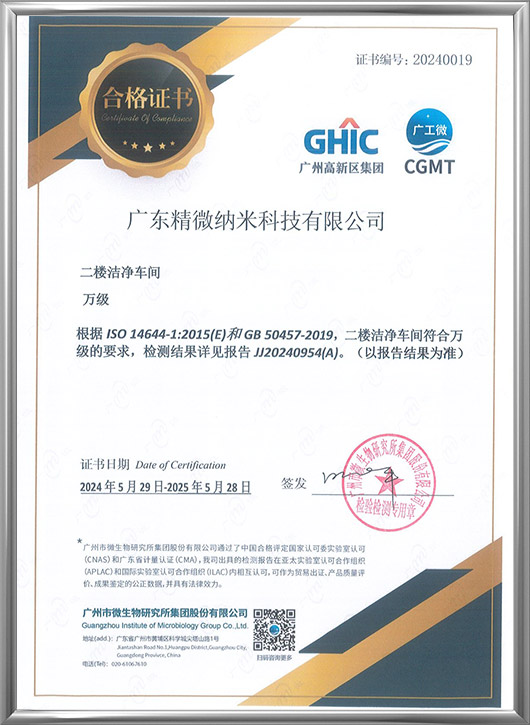
Class 10,000 cleanroom certification
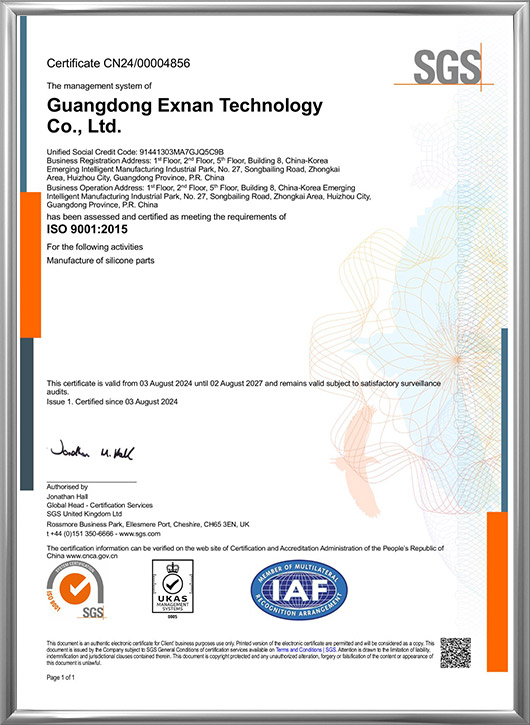
ISO 9001:2015
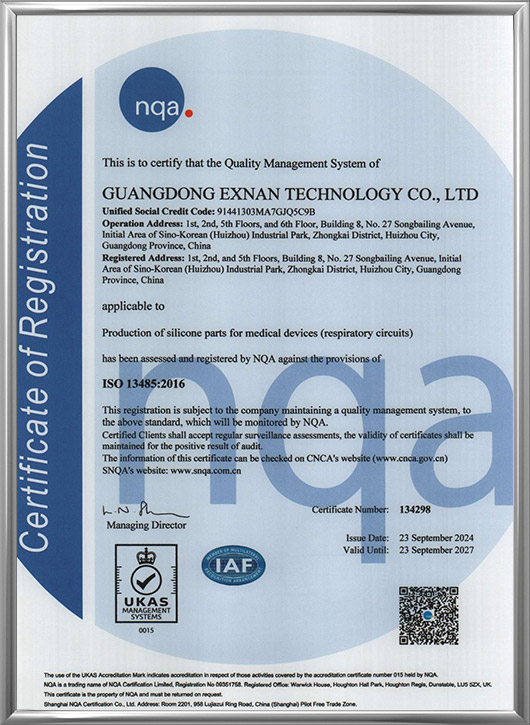
ISO 13485:2016
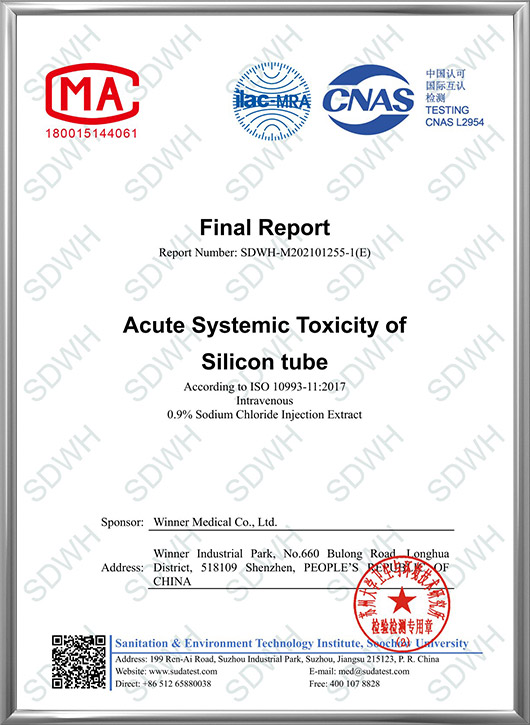
ISO 10993-11:2017 Tail vein injection
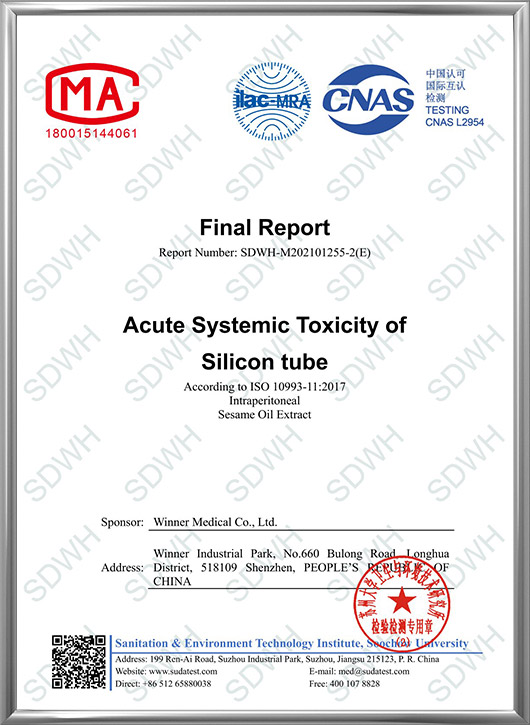
ISO 10993-11:2017 Intraperitoneal injection
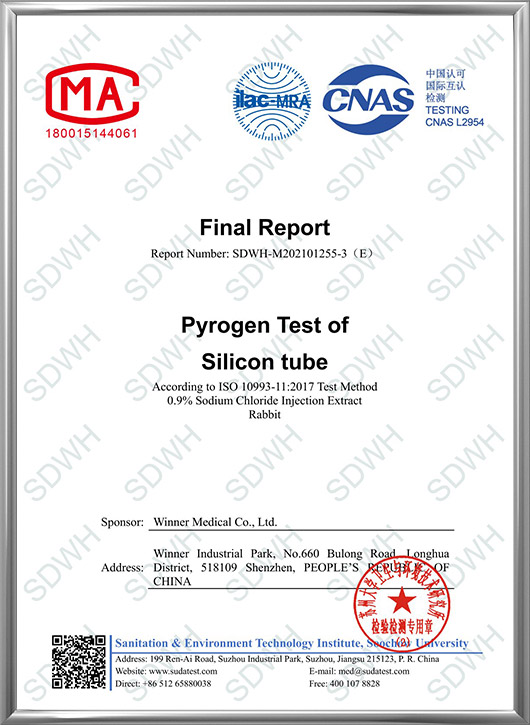
ISO 10993-11:2017 Pyrogens
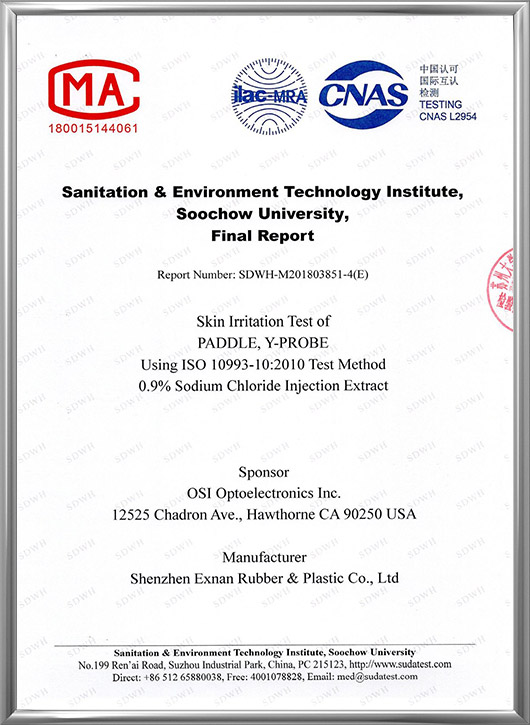
Skin irritation test for extract of 0.9% sodium chloride injection
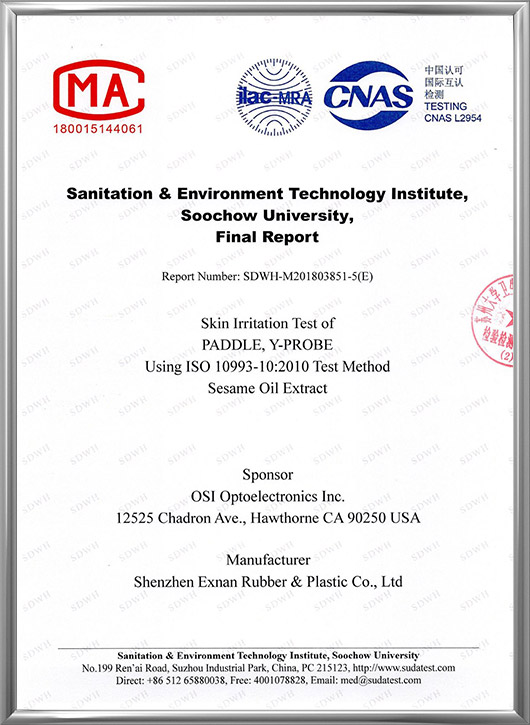
Skin irritation test for sesame oil extraction
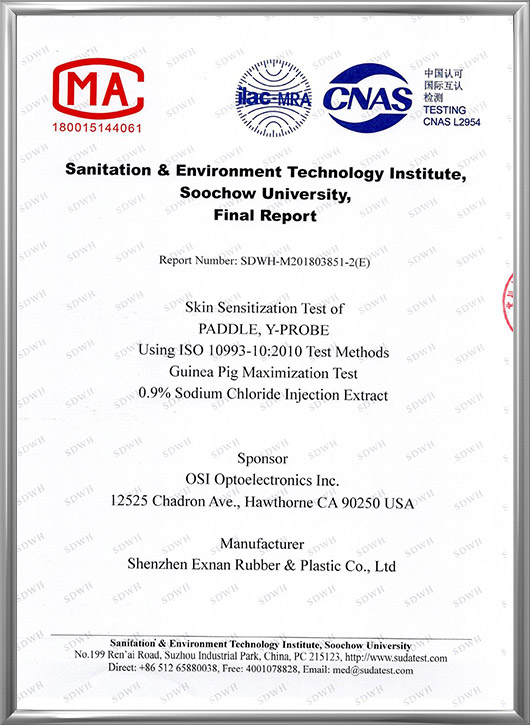
Skin sensitization test in guinea pigs using the maximization method with 0.9% sodium chloride injec
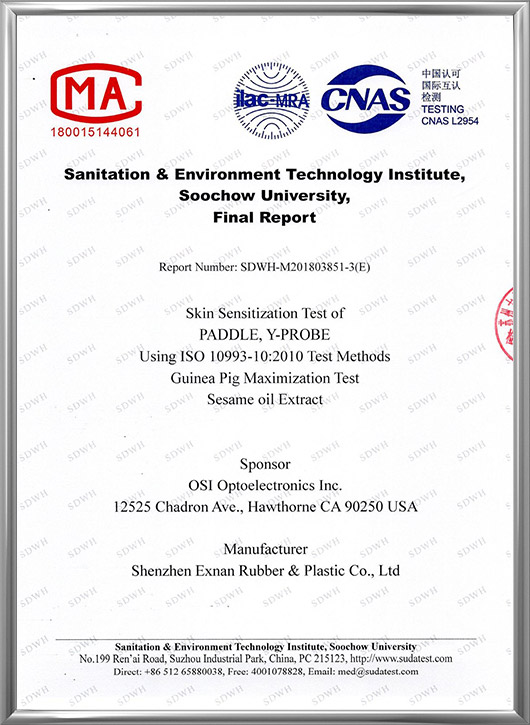
Skin sensitization test in guinea pigs:maximization method with sesame oil extraction
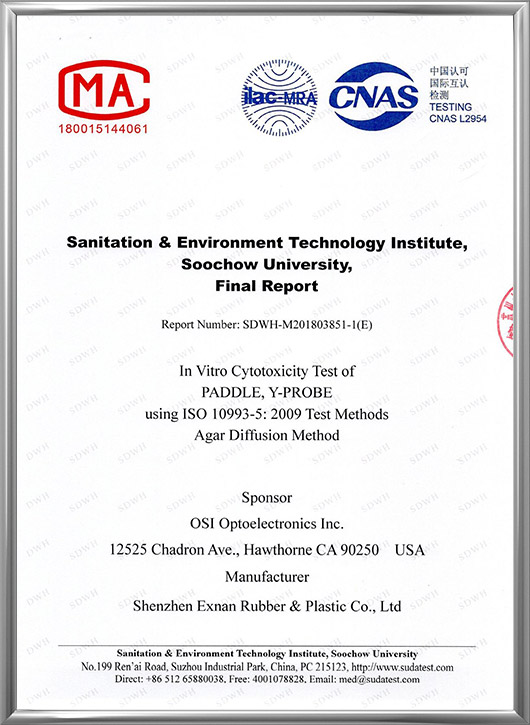
Cell toxicity test:agar diffusion method
Cooperating customers
Till now, Exnan products has been exports 35 countries, and more than 500 Medical equipment factory, health care companies, hospitals, clinics use our products, and win good reputation.




















New
Our silicone accessories meet international medical standards through strict quality control.
Ensure patient safety with our premium products. Explore our catalog today!
News
Our silicone accessories meet international medical standards through strict quality control.
Ensure patient safety with our premium products. Explore our catalog today!
Top 5 Medical Devices that Utilize Silicone for Superior Performance
Time: 2024-10-18 16:11:19
Author: Guangdong Exnan Technology Co.,Ltd
Click:
In the world of medical technology, choosing the right materials is crucial for ensuring safety, functionality, and comfort. Silicone has become a standout material in the medical field due to its exceptional qualities

In the world of medical technology, choosing the right materials is crucial for ensuring safety, functionality, and comfort. Silicone has become a standout material in the medical field due to its exceptional qualities. Its biocompatibility, flexibility, and resistance to extreme conditions make it an ideal choice for a wide range of medical devices. From implants to drug delivery systems, silicone continues to revolutionize the way we approach patient care. In this article, we’ll explore the top five medical devices that rely on silicone for superior performance, highlighting the significant benefits they offer to both patients and healthcare providers.
1. Silicone Implants
Silicone has long been the material of choice for medical implants, particularly in breast augmentation, facial reconstruction, and joint replacement. One of the primary reasons is silicone's ability to mimic the natural softness and flexibility of human tissue. This is especially important in cosmetic surgeries where a natural look and feel are essential.
Moreover, silicone implants are known for their biocompatibility, meaning they are less likely to cause adverse reactions within the body. This property ensures that patients experience fewer complications and can benefit from long-term durability. Whether for aesthetic or functional purposes, silicone implants have become indispensable in modern medicine. For example, advancements in EXNAN’s silicone implant technology provide patients with options that offer enhanced durability and comfort, giving surgeons and patients alike peace of mind.
For more information on the role of silicone in medical implants, you can visit Mayo Clinic’s overview on implants.

2. Catheters and Tubing
Silicone’s flexibility and softness make it an ideal material for catheters and tubing, devices widely used for fluid drainage, feeding, and oxygen delivery. Unlike other materials, silicone catheters reduce discomfort for patients due to their smooth and flexible nature. This is especially important for long-term use, such as in patients requiring chronic catheterization or those in critical care.
Additionally, silicone is highly resistant to chemicals, which means that these devices can safely remain in place for extended periods without degrading or posing a risk of infection. Silicone tubing from EXNAN takes this even further by offering enhanced chemical resistance, providing a safer and more durable solution for healthcare providers and patients alike.
For more insights into the benefits of silicone in medical tubing, check out Cleveland Clinic’s explanation of medical catheters.

3. Wound Dressings
Silicone-based wound dressings have dramatically improved the treatment of burns, ulcers, and post-surgical wounds. Traditional dressings can adhere to the wound surface, potentially causing pain and damage when removed. However, silicone wound dressings gently adhere to the skin without disrupting the healing process.
The breathable yet protective nature of silicone helps maintain a moist environment around the wound, which promotes faster healing while keeping harmful bacteria out. EXNAN’s advanced silicone wound dressings are specifically designed to optimize patient recovery, offering superior protection and comfort.
For an in-depth look at the role of silicone in wound healing, the National Library of Medicine offers an excellent resource on this topic.

4. Respiratory Masks and Seals
Silicone’s ability to create a tight, yet comfortable seal makes it an excellent material for respiratory devices like CPAP masks and anesthesia machine seals. In these devices, preventing air leakage is crucial for effective treatment, especially for patients with sleep apnea who rely on consistent airflow through CPAP masks. The hypoallergenic and soft nature of silicone ensures minimal skin irritation, even during prolonged use.
Moreover, silicone is heat-resistant and can withstand frequent sterilization, making it a reliable material for devices used in hospitals and clinics. EXNAN offers a range of silicone-based respiratory products that combine comfort with performance, ensuring that patients receive the care they need without compromise.
For more on CPAP masks and their materials, Sleep Foundation offers a comprehensive guide.

5. Drug Delivery Systems
Silicone has found a critical role in drug delivery systems, particularly in implants that offer slow and controlled release of medication. Devices like insulin pumps rely on silicone’s permeability to ensure precise dosing over time. This is crucial for patients with chronic conditions who need a reliable method of medication delivery without constant intervention.
The biocompatibility of silicone ensures that these devices remain safe inside the body, minimizing the risk of inflammation or other adverse reactions. Furthermore, silicone’s stability means that it can maintain its structure and function over long periods, offering patients a low-maintenance solution for medication management. EXNAN’s silicone drug delivery systems offer unmatched precision, helping improve the quality of life for patients with chronic medical conditions.
For more on the science behind drug delivery systems, visit FDA’s medical device guidelines.
Conclusion
Silicone has revolutionized the medical device industry by offering unique properties that enhance both patient comfort and safety. Whether in implants, tubing, wound care, or respiratory devices, silicone’s biocompatibility, flexibility, and durability make it the material of choice for critical medical applications. Companies like EXNAN are at the forefront of these innovations, providing cutting-edge silicone-based solutions that continue to push the boundaries of medical technology. As we look to the future, it’s clear that silicone will remain a cornerstone of medical advancements, offering new possibilities for patient care and device performance.
For more about EXNAN’s innovative silicone-based products, visit their website at EXNAN.com.

点击右上角
分享给朋友吧







 Long by picture save/share
0
Prev : The Benefit of Medical Silicone Devices in Modern Healthcare
Next : Understanding the Role of Silicone in Modern Medical Device Manufacturing
文章推荐
Silicone Parts Fail After Sterilization: 5 Proven Fixes
Medical Silicone vs. TPE/TPU: Why Is Silicone Still the Preferred Material for Medical Consumables?
Medical Silicone Mold Design: The First Gateway to Product Precision
New Requirements of ISO13485:2016 for Medical Silicone Suppliers
Medical Silicone Consumables Market Sees New Growth: Respiratory Equipment Drives Demand for Precision Components
Related news recommendations —
Related Products —




News Products —
INQUIRY


Add Successfully

Hey there, I’m Steve!
15+ years in medical silicone accessories, linking manufacturers and healthcare providers for compliant, high-quality products. Trusted advisor focused on innovation and patient care. If you are looking for custom-made silicone rubber products, feel free to ask me any questions.
Hey there, I’m Steve!
15+ years in medical silicone accessories, linking manufacturers and healthcare providers for compliant, high-quality products. Trusted advisor focused on innovation and patient care. If you are looking for custom-made silicone rubber products, feel free to ask me any questions.
Welcome to contact us
If you have any questions, please fill in the relevant information. Weare very willing to provide more information and a full range ofservices for both you and your company
Welcome to contact us
If you have any questions, please fill in the relevant information. Weare very willing to provide more information and a full range ofservices for both you and your company
EXNAN
点击右上角
分享给朋友吧
Copyright © 2004-2024 Guangdong Exnan Technology Co.,Ltd
点击右上角
分享给朋友吧
Copyright © 2004-2024 Guangdong Exnan Technology Co.,Ltd

 +86-0752-3869959 / 3869960
 +86 180 0752 8206
 Building 8, China-Korea Emerging Intelligent Manufacturing Industrial Park, No.27, Songbailing Road, China-Korea (Huizhou) Industrial Park, Zhongkai Area, Huizhou City, Guangdong Province, China

WeChat scan
