

Contact Us
lf you have any queries, get in touch today! Don't hesitate, We try to take the extra step forour customer satisfaction.

Hey there, I’m Steve!
I’m the sales manager of exnan medical silicone. I have been in this field for more than ten years. If you are looking for custom-made silicone rubber products, feel free to ask me any questions.
"
Our certificate
Possess 800 square meters of Class 10,000 dust-free workshop, Passed ISO9001:2015 quality management system certification and ISO13485:2016 medical device quality management system, and its products have obtained multiple biocompatibility tests, US FDA and EU LFGB certifications.
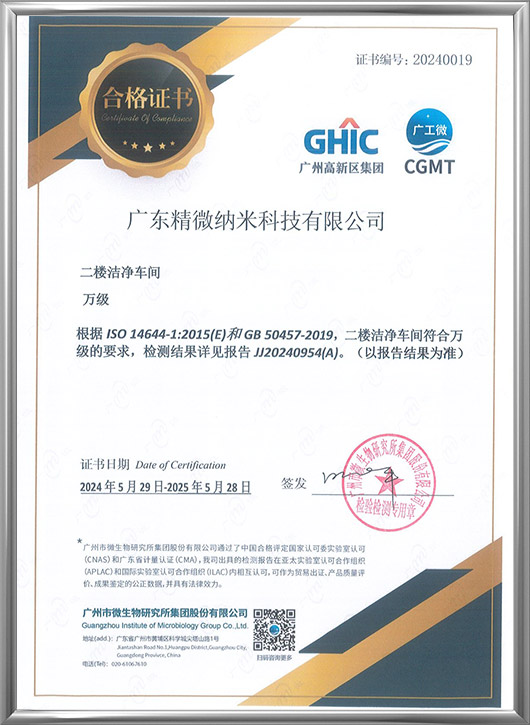
Class 10,000 cleanroom certification
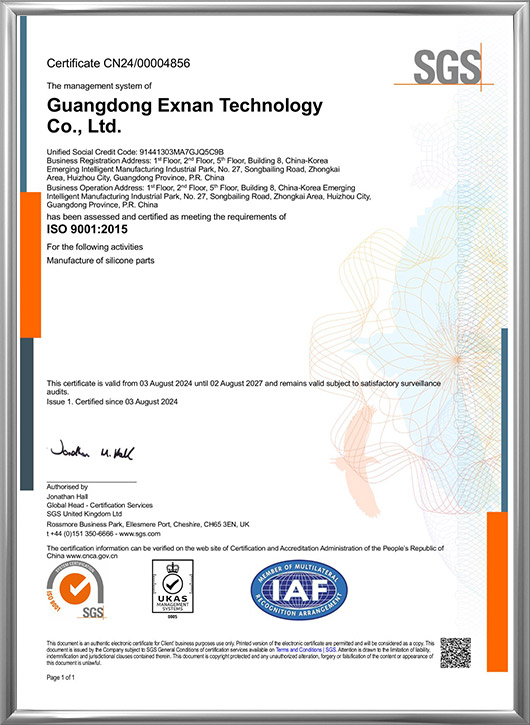
ISO 9001:2015
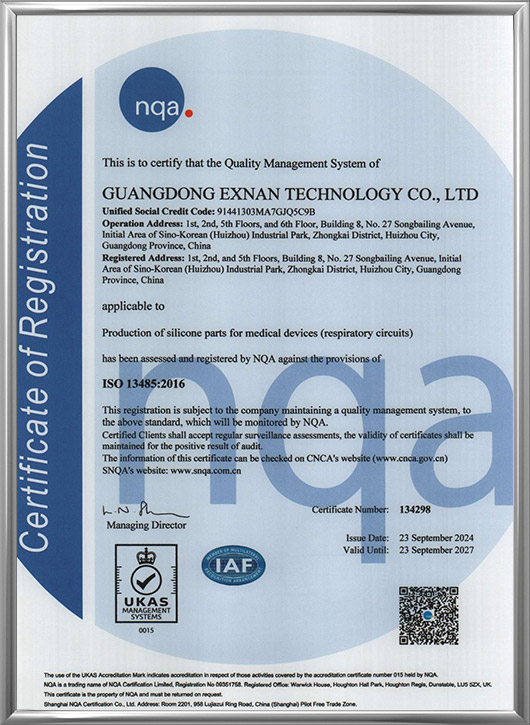
ISO 13485:2016
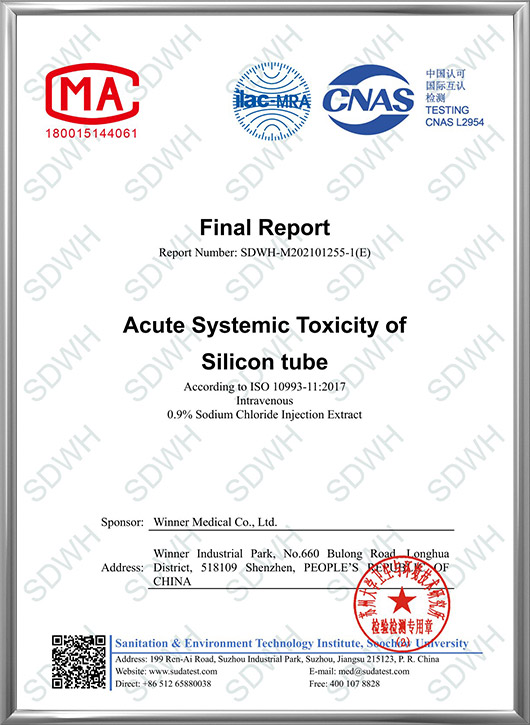
ISO 10993-11:2017 Tail vein injection
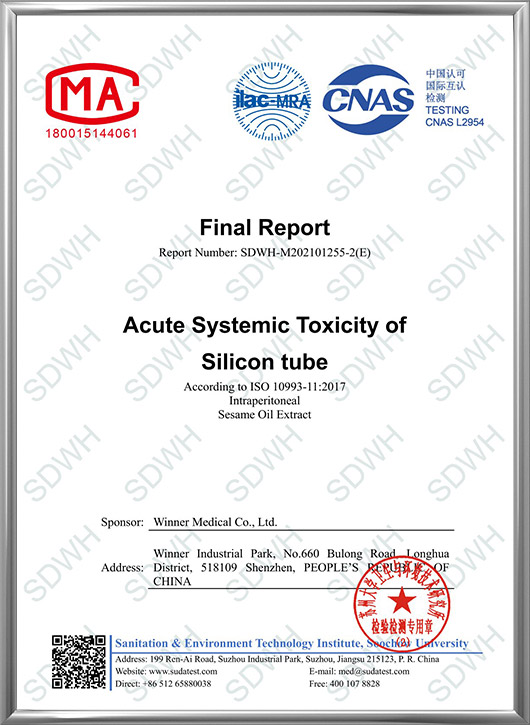
ISO 10993-11:2017 Intraperitoneal injection
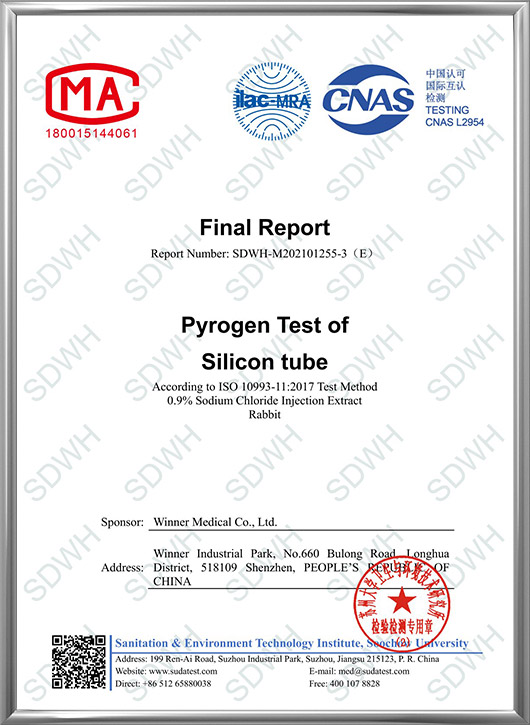
ISO 10993-11:2017 Pyrogens
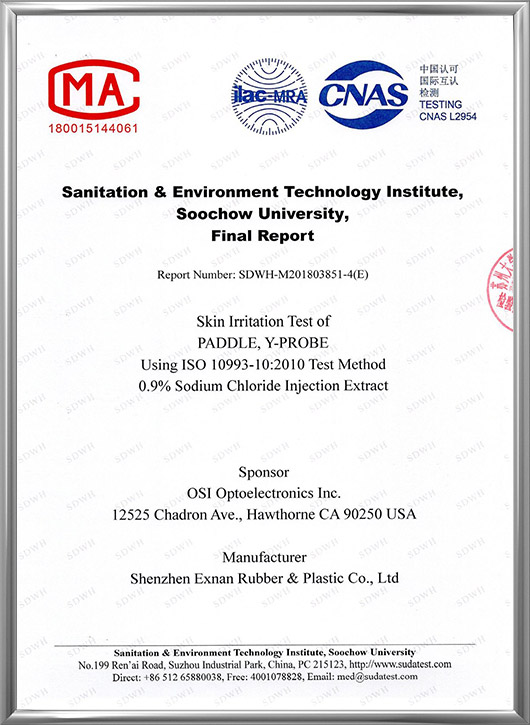
Skin irritation test for extract of 0.9% sodium chloride injection
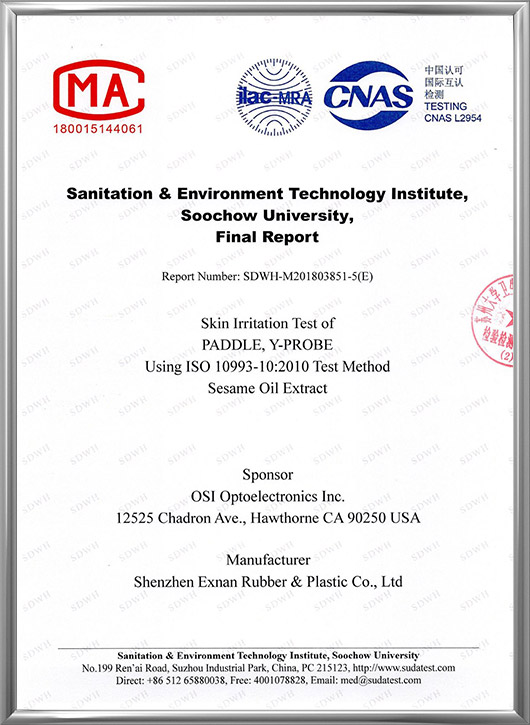
Skin irritation test for sesame oil extraction
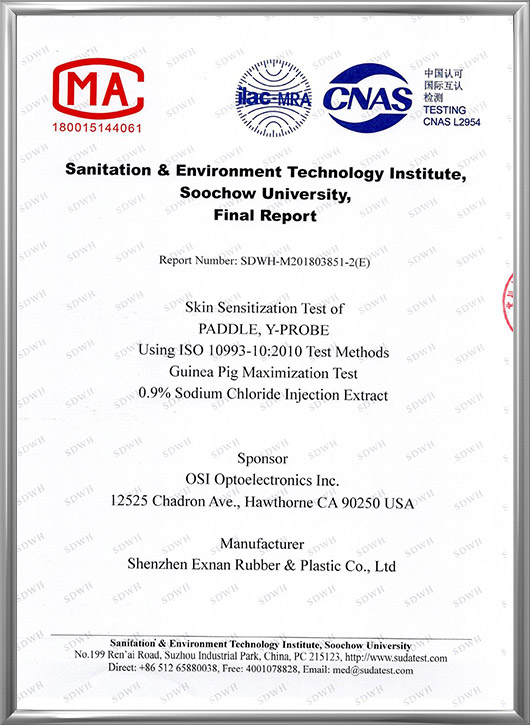
Skin sensitization test in guinea pigs using the maximization method with 0.9% sodium chloride injec
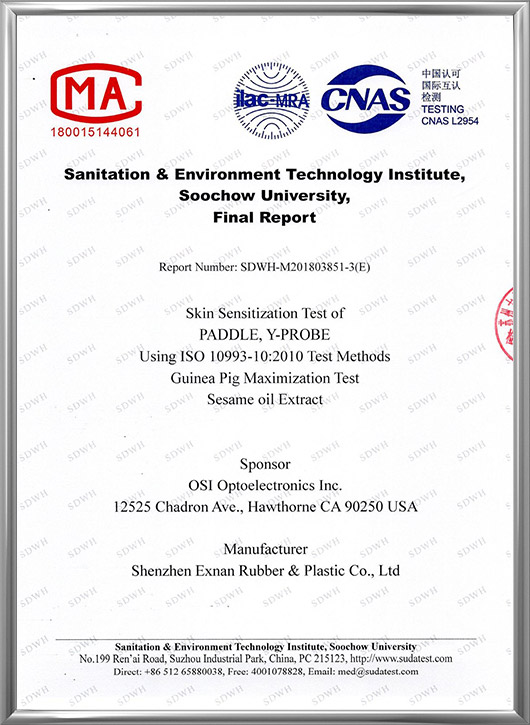
Skin sensitization test in guinea pigs:maximization method with sesame oil extraction
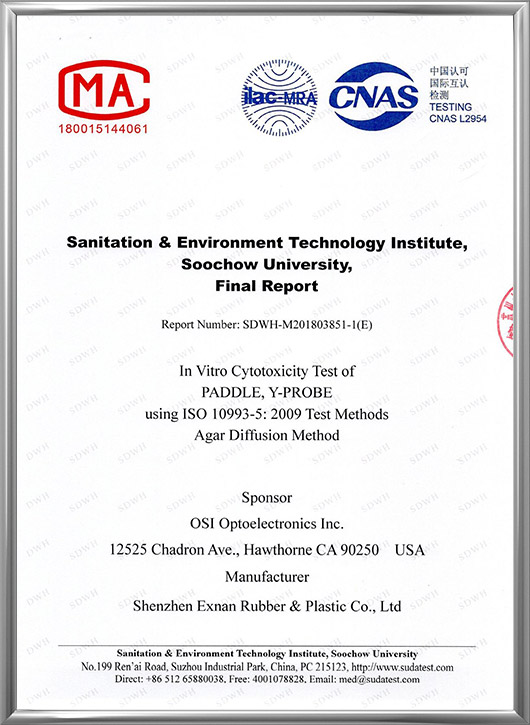
Cell toxicity test:agar diffusion method
Cooperating customers
Till now, Exnan products has been exports 35 countries, and more than 500 Medical equipment factory, health care companies, hospitals, clinics use our products, and win good reputation.



















New
Our silicone accessories meet international medical standards through strict quality control.
Ensure patient safety with our premium products. Explore our catalog today!
News
Our silicone accessories meet international medical standards through strict quality control.
Ensure patient safety with our premium products. Explore our catalog today!
The Benefits of Medical Silicone for Scars
Time: 2024-09-23 15:57:49
Author: Guangdong Exnan Technology Co.,Ltd
Click:
Scars are more than just a mark on the skin—they can affect a person’s self-esteem and confidence, serving as a constant reminder of injuries, surgeries, or other life-changing events.

Introduction
Scars are more than just a mark on the skin—they can affect a person’s self-esteem and confidence, serving as a constant reminder of injuries, surgeries, or other life-changing events. Did you know that an estimated 100 million people develop scars each year after surgical procedures alone? Among these, many will seek treatments to minimize their appearance, which can have a profound impact on daily life.
Medical silicone has emerged as a powerful, first-line treatment in the world of scar care. But what exactly is it, and how does it work? In this blog, we’ll explore the benefits of medical silicone for scars and why it’s a popular choice for both medical professionals and individuals alike.

What is Medical Silicone?
Definition
Medical silicone is a biocompatible, flexible material widely used in healthcare due to its safety and versatility. It’s made from siloxane, a polymer that consists of silicon, oxygen, and sometimes other elements like carbon and hydrogen.
Composition
The unique structure of medical silicone allows it to form a breathable, protective layer over the skin. This thin barrier not only keeps moisture in but also regulates the production of collagen—one of the main factors behind scar formation.
Common Uses
Beyond scar treatment, medical silicone is used in many medical applications, including wound dressings, implants, and even in certain drug delivery systems. Its hypoallergenic properties make it ideal for sensitive skin, which is why it’s trusted in so many fields of medicine.
How Scars Form
Understanding how scars form can help us appreciate why medical silicone is so effective.
Types of Scars
There are various types of scars, including:
- Hypertrophic scars: Raised, red scars that stay within the boundaries of the original wound.
- Keloid scars: Raised scars that extend beyond the original injury site, often growing uncontrollably.
- Atrophic scars: Sunken scars, often caused by acne or chickenpox.

Scar Formation Process
Scars form when the skin is damaged deeply enough to affect the dermis, the thick layer beneath the surface of the skin. As part of the healing process, the body sends fibroblasts to produce collagen, a protein that helps close the wound. However, when too much collagen is produced, it leads to the formation of a raised, often discolored scar.(National Institutes of Health, NIH)
Factors Influencing Scar Development
The appearance of scars can be influenced by various factors, including genetics, skin type, and the type of injury. People with darker skin tones, for example, may be more prone to keloids, while those with fair skin may develop more visible hypertrophic scars.

How Medical Silicone Works on Scars
Mechanism of Action
Medical silicone works by creating a protective layer over the scar that retains moisture and helps regulate the skin’s healing processes. It softens the skin and flattens the scar by controlling collagen production, preventing it from becoming excessive. Additionally, it protects the scarred area from bacteria, which can worsen scarring.
Scientific Evidence
Numerous studies support the efficacy of medical silicone for scar treatment. In one study, silicone gel sheets reduced scar height by 68%, texture by 86%, and color by 84% (PubMed). These results have made silicone one of the most recommended treatments by dermatologists and plastic surgeons.
Types of Silicone Products
Medical silicone is available in various forms, including sheets, gels, and creams. Sheets are ideal for covering large areas, while gels and creams can be easily applied to irregular or sensitive areas, such as the face or joints.

Benefits of Using Medical Silicone for Scars
Effectiveness
Medical silicone has been proven to reduce the size, color, and texture of scars. Whether dealing with a new or old scar, regular use of silicone products can visibly improve the appearance within weeks or months.
Safety
Medical silicone is hypoallergenic and safe for all skin types, including sensitive skin and children. Its biocompatibility ensures it won’t irritate the skin or cause allergic reactions, making it suitable for long-term use.
Ease of Use
One of the biggest advantages of medical silicone is its ease of use. Whether it’s a gel you can apply twice a day or a sheet you leave on overnight, it easily integrates into your routine without any hassle.
Cost-Effectiveness
Compared to more invasive treatments like laser therapy or surgery, silicone scar treatments are relatively affordable. They provide significant improvements in scar appearance at a fraction of the cost.
How to Use Medical Silicone for Scar Treatment
Application Instructions
Using medical silicone is straightforward:
1. Clean the scarred area with mild soap and water.
2. Apply a thin layer of silicone gel or place a silicone sheet directly on the scar.
3. Repeat the process once or twice daily, depending on the product instructions.
Duration of Treatment
For best results, silicone should be used consistently for several weeks to months. New scars may respond faster, while older scars may take longer to show visible improvements.
Tips for Best Results
- Make sure the area is clean and dry before applying silicone.
- Use the product consistently for the recommended duration.
- Avoid using harsh chemicals or scrubbing the scarred area during treatment.
Real-Life Success Stories
Many individuals have successfully used medical silicone to reduce the appearance of scars. One such case involves a woman who applied silicone gel to a surgical scar on her cheek. Within just seven weeks, the scar had significantly faded, becoming flatter and less noticeable. Her confidence soared, proving the life-changing benefits of this simple treatment.

Frequently Asked Questions (FAQs)
Common Concerns
- Will medical silicone work on old scars? Yes, silicone is effective on both old and new scars, though older scars may take longer to improve.
- Is it safe for sensitive skin? Absolutely. Medical silicone is hypoallergenic and gentle, making it safe for even the most sensitive skin.
Expert Opinions
Dermatologists and plastic surgeons widely recommend medical silicone as a safe, non-invasive way to improve scar appearance, often citing it as a first-line treatment for managing scars. (American Society of Plastic Surgeons, ASPS)
Conclusion
Medical silicone is a game-changer in scar treatment. Its ability to soften, flatten, and fade scars while being safe, easy to use, and affordable makes it a top choice for anyone looking to improve the appearance of their scars. Whether you’re dealing with a new injury or a long-standing scar, medical silicone offers a proven path to better skin.
Why not give it a try and see the difference it can make in your life? Visit our store or consult with a healthcare provider to find the right silicone product for your needs.

点击右上角
分享给朋友吧







 Long by picture save/share
0
Prev : Food Grade vs. Medical Grade Silicone: What’s the Difference?
Next : Applications of Liquid Silicone Rubber in Medical Devices
文章推荐
Silicone Parts Fail After Sterilization: 5 Proven Fixes
Medical Silicone vs. TPE/TPU: Why Is Silicone Still the Preferred Material for Medical Consumables?
Medical Silicone Mold Design: The First Gateway to Product Precision
New Requirements of ISO13485:2016 for Medical Silicone Suppliers
Medical Silicone Consumables Market Sees New Growth: Respiratory Equipment Drives Demand for Precision Components
Related news recommendations —
Related Products —

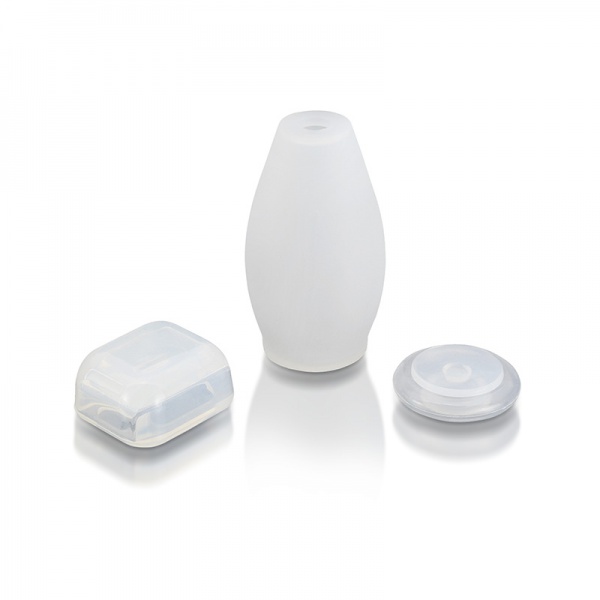
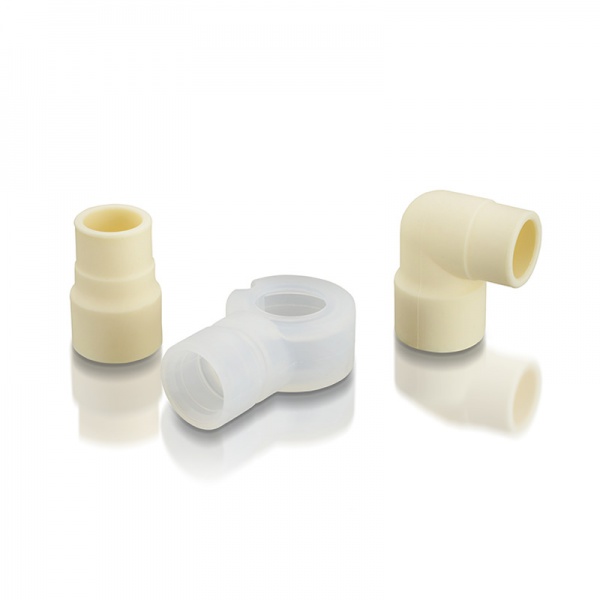

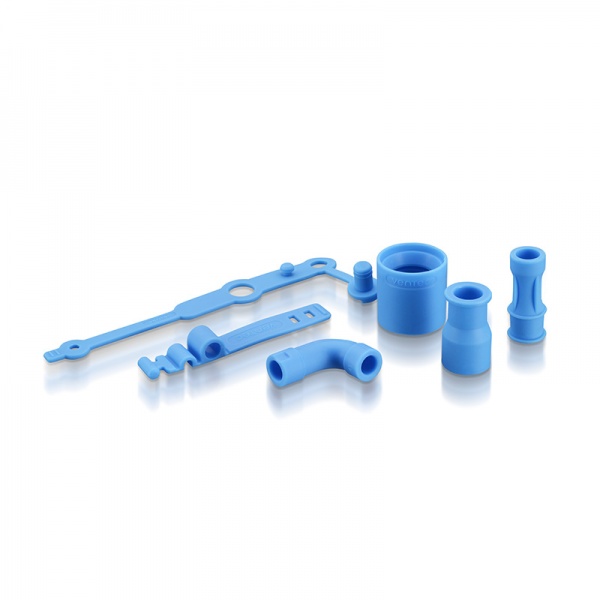

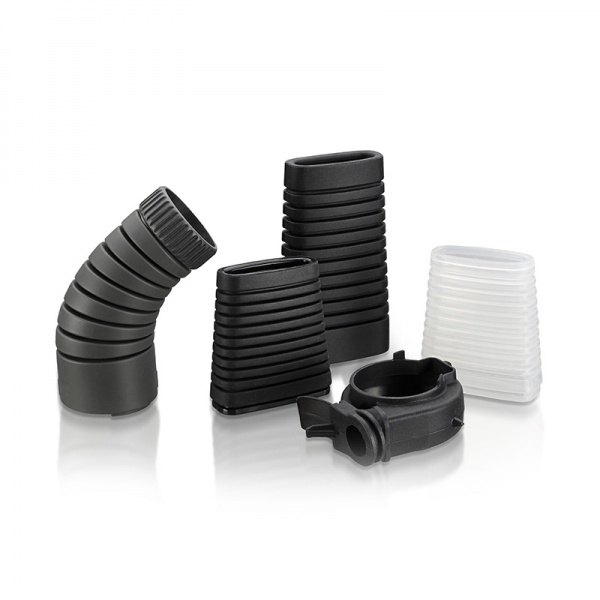

News Products —
INQUIRY


Add Successfully

Hey there, I’m Steve!
15+ years in medical silicone accessories, linking manufacturers and healthcare providers for compliant, high-quality products. Trusted advisor focused on innovation and patient care. If you are looking for custom-made silicone rubber products, feel free to ask me any questions.
Hey there, I’m Steve!
15+ years in medical silicone accessories, linking manufacturers and healthcare providers for compliant, high-quality products. Trusted advisor focused on innovation and patient care. If you are looking for custom-made silicone rubber products, feel free to ask me any questions.
Welcome to contact us
If you have any questions, please fill in the relevant information. Weare very willing to provide more information and a full range ofservices for both you and your company
Welcome to contact us
If you have any questions, please fill in the relevant information. Weare very willing to provide more information and a full range ofservices for both you and your company
EXNAN
点击右上角
分享给朋友吧
Copyright © 2004-2024 Guangdong Exnan Technology Co.,Ltd
点击右上角
分享给朋友吧
Copyright © 2004-2024 Guangdong Exnan Technology Co.,Ltd

 +86-0752-3869959 / 3869960
 +86 180 0752 8206
 Building 8, China-Korea Emerging Intelligent Manufacturing Industrial Park, No.27, Songbailing Road, China-Korea (Huizhou) Industrial Park, Zhongkai Area, Huizhou City, Guangdong Province, China

WeChat scan
