

Contact Us
lf you have any queries, get in touch today! Don't hesitate, We try to take the extra step forour customer satisfaction.

Hey there, I’m Steve!
I’m the sales manager of exnan medical silicone. I have been in this field for more than ten years. If you are looking for custom-made silicone rubber products, feel free to ask me any questions.
"
Our certificate
Possess 800 square meters of Class 10,000 dust-free workshop, Passed ISO9001:2015 quality management system certification and ISO13485:2016 medical device quality management system, and its products have obtained multiple biocompatibility tests, US FDA and EU LFGB certifications.
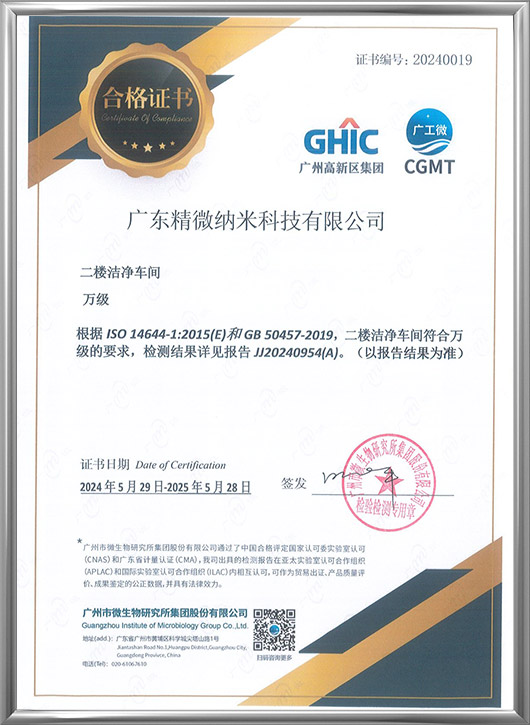
Class 10,000 cleanroom certification
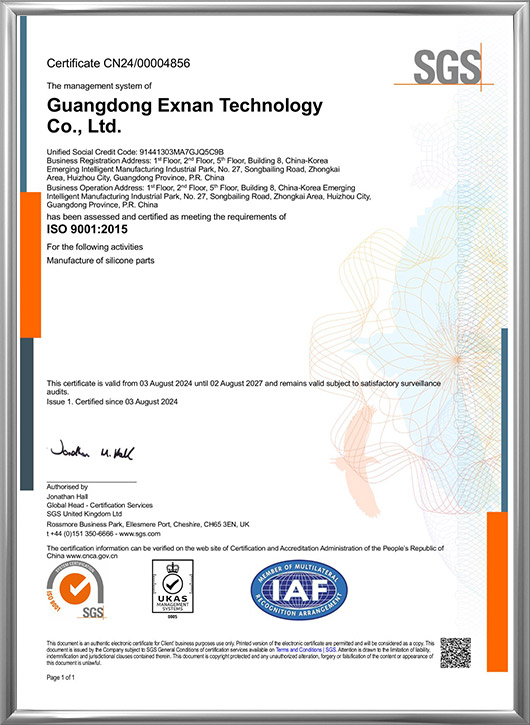
ISO 9001:2015
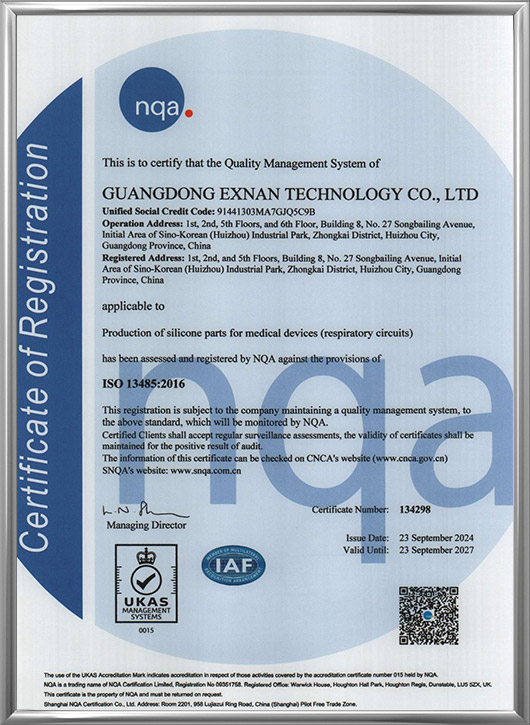
ISO 13485:2016
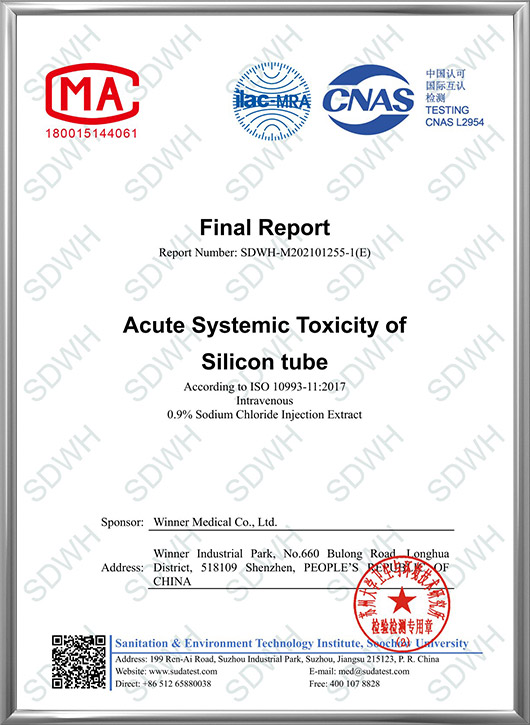
ISO 10993-11:2017 Tail vein injection
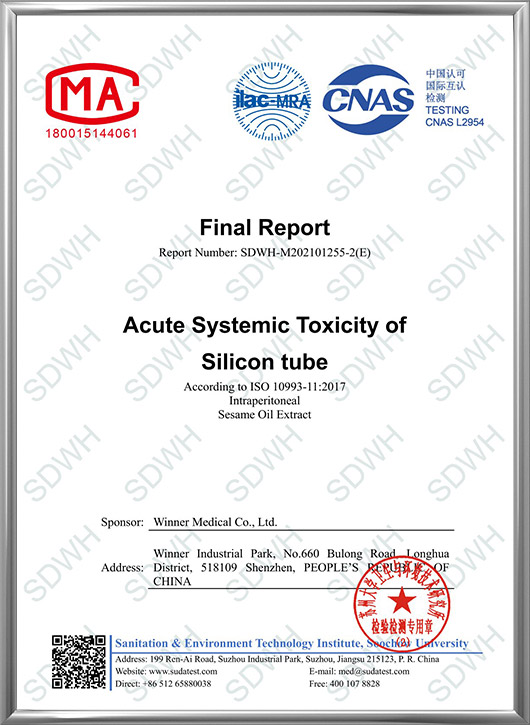
ISO 10993-11:2017 Intraperitoneal injection
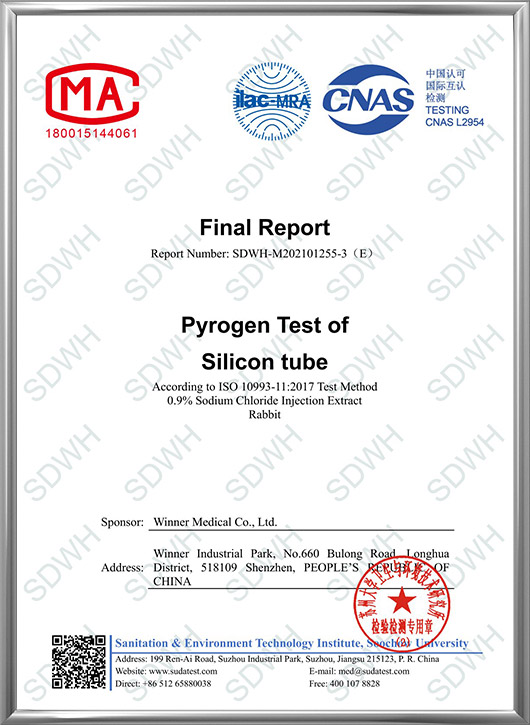
ISO 10993-11:2017 Pyrogens
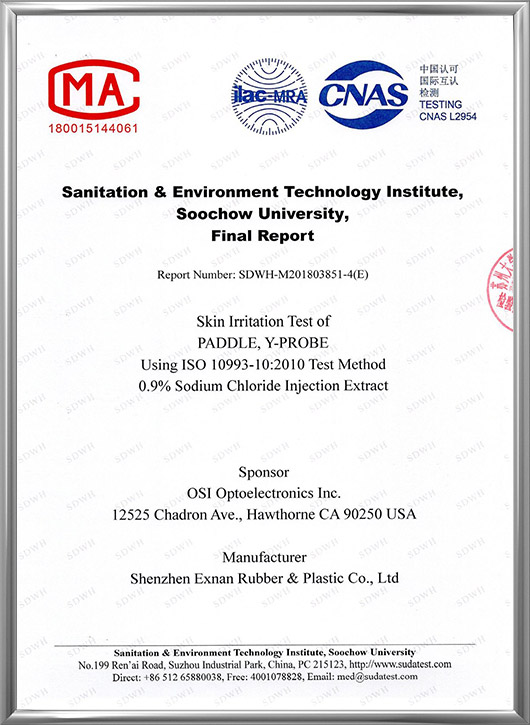
Skin irritation test for extract of 0.9% sodium chloride injection
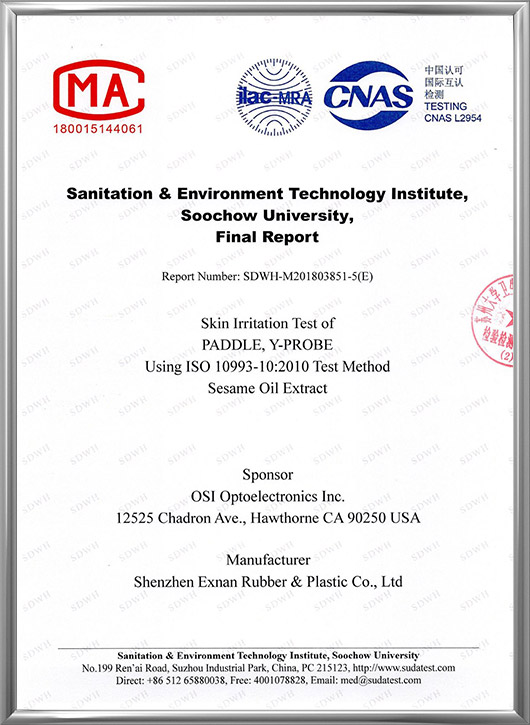
Skin irritation test for sesame oil extraction
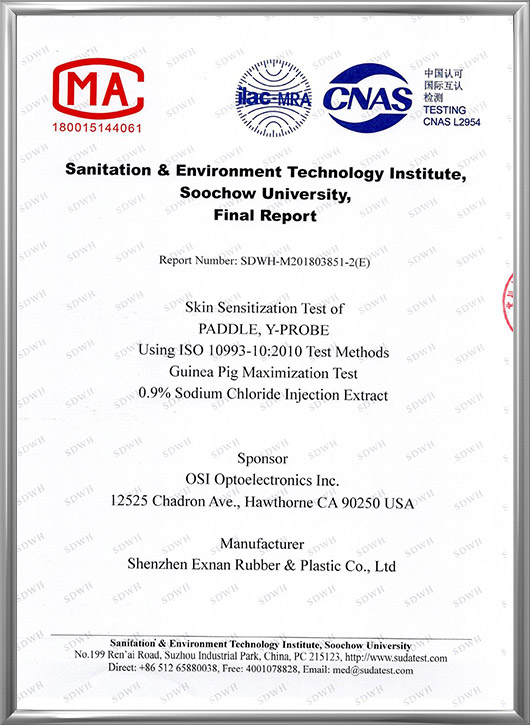
Skin sensitization test in guinea pigs using the maximization method with 0.9% sodium chloride injec
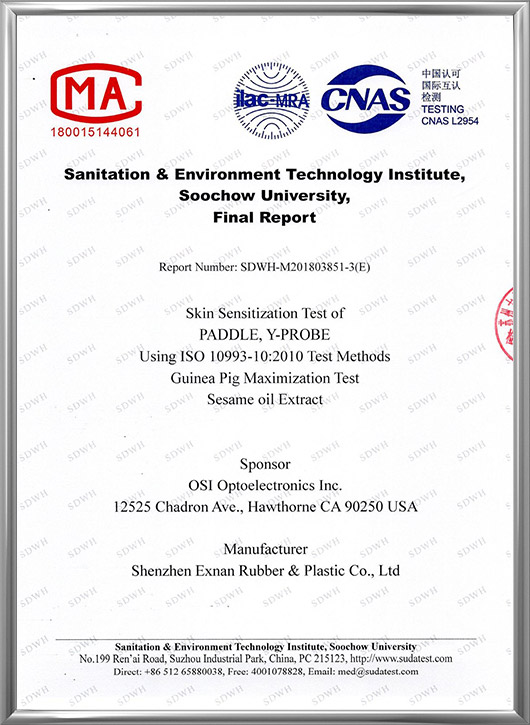
Skin sensitization test in guinea pigs:maximization method with sesame oil extraction
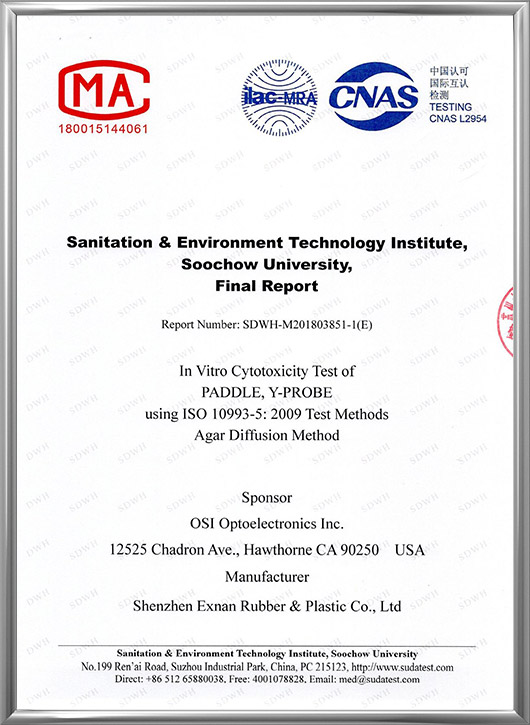
Cell toxicity test:agar diffusion method
Cooperating customers
Till now, Exnan products has been exports 35 countries, and more than 500 Medical equipment factory, health care companies, hospitals, clinics use our products, and win good reputation.




















New
Our silicone accessories meet international medical standards through strict quality control.
Ensure patient safety with our premium products. Explore our catalog today!
News
Our silicone accessories meet international medical standards through strict quality control.
Ensure patient safety with our premium products. Explore our catalog today!
Multifunctional Uses of Silicone in Medical Devices
Time: 2025-01-17 14:06:58
Author: Guangdong Exnan Technology Co.,Ltd
Click:
Hey there, welcome to our exploration of how silicone is revolutionizing the world of medical devices! Medical devices are a crucial part of healthcare and medical research, ranging from simple tools to complex systems.

Introduction
Hey there, welcome to our exploration of how silicone is revolutionizing the world of medical devices! Medical devices are a crucial part of healthcare and medical research, ranging from simple tools to complex systems. They play a vital role in enhancing patient care, improving diagnostic accuracy, and advancing medical treatments. Let's dive into what makes silicone such a multifunctional and indispensable material in this field.
Overview of Medical Devices
Medical devices can be anything from a basic thermometer to advanced surgical robots. They are designed to diagnose, treat, or prevent medical conditions. In recent years, the demand for medical devices has skyrocketed due to the increasing complexity of healthcare needs and the push for more personalized and wearable technologies.
Introduction to Silicone
Silicone is a synthetic polymer made from silicon, oxygen, and other elements. It's known for its unique properties, such as chemical and thermal stability, biocompatibility, and elasticity. These features make it a go-to material for a wide range of medical applications, from small implants to large wearable devices.
Properties of Silicone
Chemical Stability
- Resistance to Chemicals and Solvents**: Silicone can withstand exposure to various chemicals and solvents without degrading, making it ideal for medical environments.
- Long-term Stability**: It maintains its properties over time, even when exposed to harsh conditions.
Thermal Stability
- High Heat Resistance: Silicone can handle high temperatures, which is crucial for sterilization processes.
- Low Thermal Conductivity: It insulates well, making it suitable for devices that need to maintain temperature control.
Biocompatibility
- Suitable for Skin Contact and Mucous Membranes: Silicone is non-toxic and hypoallergenic, making it safe for direct contact with the human body.
- ISO Standards: It meets international standards such as ISO 10993-1:2018, ensuring it is safe for medical use. [Link to ISO 10993-1:2018]
Elasticity
- High Flexibility and Stretchability: Silicone can be formulated to be very soft and elastic, which is essential for devices that need to conform to the body.
- Ability to Return to Original Shape: It can stretch and flex without losing its shape, ensuring consistent performance.
Electrical Insulation
- Excellent Dielectric Properties: Silicone is a great insulator, which is crucial for medical devices with electrical components.
- Suitable for Electrical Components: It can be used in electrosurgical devices and other equipment that require electrical insulation and heat resistance.
Types of Silicone Used in Medical Devices
Silicone Elastomers
- Liquid Silicone Rubbers (LSR)
- High Performance and Precision: LSR offers excellent performance and can be precisely molded to exact specifications.
- Liquid Injection Molding: This process is efficient and well-suited for producing high-quality medical devices.
- High Temperature Vulcanized (HTV) Silicones
- Great Temperature and Aging Resistance: HTV silicones are highly stable and resistant to aging.
- Shaping by Extrusion or Compression Molding: They can be shaped using various methods, making them versatile for different applications.
- Room Temperature Vulcanized (RTV) Silicones
- Easier to Process: RTV silicones can be cured at room temperature, making them convenient for small-scale production.
- Suitable for Gaskets and Medical Devices: They are often used in sealing applications and small medical devices.

Specific Forms of RTV Silicones
- Silicone 40A Resin
- One-part RTV Silicone Resin: This type of silicone is easy to use and has excellent elasticity.
- Excellent Chemical Resistance: It can withstand exposure to body fluids and other environmental factors, making it ideal for wearable devices.
- RTV Liquid Silicone
- Two-part or Single-part with a Catalyst: RTV liquid silicone can be formulated in different ways to meet specific needs.
- Curing Time and Stability: The curing time can vary, but the stability is consistent.
- Polydimethylsiloxane (PDMS)
- Chemically Distinct RTV Liquid Silicone: PDMS is a specific type of RTV silicone that is highly transparent and can capture fine textures.
- High Optical Transparency and Micro-scale Texture Capture: It is often used in research and development for its high precision.
- Silicone Putty
- Two-part Putty Blended by Hand: Silicone putty is versatile and can be used for mold-making and prototyping.
- Commonly Used for Mold-making and Prototyping: It is easy to handle and can create detailed molds.
Applications of Silicone in Medical Devices
Wearable Devices
- Continuous Glucose Monitors (CGMs)
- Soft and Flexible for Comfort: CGMs need to be comfortable and unobtrusive for patients.
- Resistance to Body Fluids and Environmental Factors: Silicone's resistance to body fluids and environmental factors ensures the device's longevity and performance. [Link to EXNAN's CGM Accessories]
- Fitness Trackers
- Durability and Comfort Against Skin: Fitness trackers are worn for extended periods, so comfort and durability are crucial.
- Water Resistance and Flexibility: Silicone's water-resistant and flexible properties make it an excellent choice for these devices.
Implantable Devices
- Catheters
- Biocompatibility and Chemical Resistance: Silicone catheters are biocompatible and can resist bodily fluids, reducing the risk of infection.
- Flexibility and Ease of Insertion: They are soft and flexible, making them easy to insert and comfortable for patients.
- Breast Implants
- Soft and Natural Feel: Silicone breast implants mimic the feel of natural tissue, improving patient satisfaction.
- Long-term Biocompatibility and Safety: They are extensively tested for long-term safety and biocompatibility. [Link to EXNAN's Implant Accessories]

Surgical Tools and Equipment
- Gaskets and Seals
- High Tear Strength and Chemical Stability: Gaskets and seals need to be strong and stable to prevent leaks and ensure safety.
- Resistance to Sterilization Processes: Silicone can withstand high temperatures and sterilization methods without degrading.
- Insulators
- Electrical Insulation and Heat Resistance: Insulators are essential for electrosurgical devices to prevent electrical shocks.
- Suitable for Electrosurgical Devices: Silicone's properties make it an ideal material for these high-precision tools.
Drug Delivery Systems
- Patches
- Adhesion and Flexibility: Drug delivery patches need to adhere to the skin and flex with the patient's movements.
- Controlled Drug Release: Silicone can be formulated to control the release of drugs over time.
- Pumps
- Chemical and Solvent Resistance: Pumps need to be able to handle a variety of chemicals and solvents without degrading.
- High Performance and Reliability: Silicone ensures the pump operates efficiently and reliably over long periods.
Patient Comfort and Safety
- Softness and Flexibility: Silicone's soft and flexible nature makes it comfortable for patients to wear.
- Non-toxic and Hypoallergenic: It is safe and gentle on the skin, reducing the risk of allergic reactions.
Durability and Longevity
- Resistance to Wear and Tear: Silicone can withstand repeated use without breaking down.
- Long-term Stability: Its properties remain consistent over time, ensuring the device's performance.
Ease of Processing
- Various Methods for Shaping and Curing: Silicone can be processed using a variety of methods, making it suitable for both large-scale and small-batch production.
- Cost-effective for Different Applications: Whether you need a few prototypes or thousands of units, silicone is a cost-effective option.
Customization and Versatility
- Wide Range of Formulations and Hardness Levels: Silicone can be formulated to meet specific hardness and flexibility requirements.
- Ability to Create Complex Geometries: Its moldability allows for intricate designs, which is crucial for many medical applications.

Challenges and Considerations
Biocompatibility Testing
- Importance of Meeting ISO Standards: Rigorous testing is necessary to ensure that silicone meets the required ISO standards, such as ISO 10993-1:2018.[Link to ISO 10993-1:2018]
- Potential Issues and Solutions: Some potential issues include leaching and bacterial growth, but these can be mitigated through proper formulation and testing. [Link to ISO 10993-1:2018]
Manufacturing Costs
- Comparison of Different Processing Methods: Liquid injection molding, extrusion, and compression molding each have their own cost implications.
- Cost-effectiveness for Different Applications: Choosing the right method can significantly impact the overall cost of production.
Environmental Impact
- Sustainability and Recycling Options: Silicone is generally considered environmentally friendly, but recycling can be a challenge.
- Regulations and Compliance: Ensuring compliance with environmental regulations is essential for responsible manufacturing. [Link to Environmental Impact Report]
Future Trends and Innovations
Advanced Formulations
- New Developments in Silicone Chemistry: Researchers are constantly working on new formulations to enhance silicone's properties.
- Enhanced Properties for Specific Medical Applications: These developments aim to make silicone even more suitable for specialized medical needs.
3D Printing
- Integration with 3D Printing Technologies: 3D printing is becoming a popular method for producing silicone medical devices, allowing for customization and rapid prototyping.
- Customized and Personalized Medical Devices: Tailored devices can improve patient outcomes and satisfaction. [Link to 3D Printing in Medical Devices]

Nanotechnology
- Nanoscale Silicone Materials for Improved Functionality: Nanoscale silicone can enhance the performance of medical devices, such as improved drug delivery systems.
- Applications in Drug Delivery and Tissue Engineering: These materials have the potential to revolutionize how drugs are delivered and how tissues are engineered.
Conclusion
Summary of Key Points
- Versatility and Performance of Silicone: Silicone's unique properties make it an excellent choice for a wide range of medical devices.
- Benefits and Considerations for Its Use: While it offers many advantages, careful consideration of testing and manufacturing processes is essential.
Final Thoughts
- Potential for Future Advancements: The future looks bright for silicone in medical devices, with ongoing innovations and new applications.
- Importance of Continued Research and Development: Continued research will help address challenges and further enhance the material's capabilities.
References
- ISO Standards
- Research Articles
- Article 1: Biocompatibility of Silicone in Medical Devices
- Article 2: Advancements in Silicone Materials for Drug Delivery
- Industry Reports
- Report 1: Global Market for Silicone Medical Devices
- Report 2: Environmental Impact of Silicone Production
Table: Comparison of Silicone Elastomers
| Type of Silicone | Processing Method | Key Properties | Applications |
| Liquid Silicone Rubbers (LSR) | Liquid Injection Molding | High performance, precision | Catheters, CGMs, fitness trackers |
| High Temperature Vulcanized (HTV) Silicones | Extrusion, Compression Molding | Great temperature and aging resistance | Breast implants, surgical tools |
| Room Temperature Vulcanized (RTV) Silicones | Room Temperature Curing | Easy to process, flexible | Gaskets, seals, small devices |
| Silicone 40A Resin | 3D Printing | Excellent elasticity, chemical resistance | Wearable devices, prototyping |
| RTV Liquid Silicone | Two-part or Single-part with a Catalyst | High optical transparency, micro-scale texture capture | Research, drug delivery patches |
| Polydimethylsiloxane (PDMS) | Two-part with a Catalyst | Chemically distinct, high transparency | Tissue engineering, drug delivery systems |
| Silicone Putty | Hand Blending | Two-part putty, versatile | Mold-making, prototyping |
Chart: Temperature Range and Hardness of Silicone
| Material Property | Silicone 40A Resin | BioMed Elastic 50A Resin | TPU 90A Powder |
| Shore durometer | 40A | 50A | 90A |
| Elongation at break | 230% | 150% | 310% (X/Y), 110% (Z) |
| Ultimate tensile strength | 7.2 MPa | 2.3 MPa | 8.7 MPa (X/Y), 7.2 MPa (Z) |
| Stress at 100% elongation | 4.5 MPa | 1.3 MPa | 7.2 MPa (X/Y), 7.0 MPa (Z) |
| Temperature range | -25 °C to 125 °C | -25 °C to 125 °C | -25 °C to 125 °C |
External Links
- 3D Printing in Medical Devices
I hope you found this article informative and helpful in understanding the multifunctional uses of silicone in medical devices. If you have any questions or need more information, feel free to reach out to EXNAN for high-quality medical silicone accessories and solutions. Stay safe and keep innovating!

点击右上角
分享给朋友吧







 Long by picture save/share
0
Prev : Cleaning and Sterilization Guidelines for Medical Device Silicone Parts
Next : Cost-Benefit Analysis of Silicone Parts in Medical Devices
文章推荐
Silicone Parts Fail After Sterilization: 5 Proven Fixes
Medical Silicone vs. TPE/TPU: Why Is Silicone Still the Preferred Material for Medical Consumables?
Medical Silicone Mold Design: The First Gateway to Product Precision
New Requirements of ISO13485:2016 for Medical Silicone Suppliers
Medical Silicone Consumables Market Sees New Growth: Respiratory Equipment Drives Demand for Precision Components
Related news recommendations —
Related Products —




News Products —
INQUIRY


Add Successfully

Hey there, I’m Steve!
15+ years in medical silicone accessories, linking manufacturers and healthcare providers for compliant, high-quality products. Trusted advisor focused on innovation and patient care. If you are looking for custom-made silicone rubber products, feel free to ask me any questions.
Hey there, I’m Steve!
15+ years in medical silicone accessories, linking manufacturers and healthcare providers for compliant, high-quality products. Trusted advisor focused on innovation and patient care. If you are looking for custom-made silicone rubber products, feel free to ask me any questions.
Welcome to contact us
If you have any questions, please fill in the relevant information. Weare very willing to provide more information and a full range ofservices for both you and your company
Welcome to contact us
If you have any questions, please fill in the relevant information. Weare very willing to provide more information and a full range ofservices for both you and your company
EXNAN
点击右上角
分享给朋友吧
Copyright © 2004-2024 Guangdong Exnan Technology Co.,Ltd
点击右上角
分享给朋友吧
Copyright © 2004-2024 Guangdong Exnan Technology Co.,Ltd

 +86-0752-3869959 / 3869960
 +86 180 0752 8206
 Building 8, China-Korea Emerging Intelligent Manufacturing Industrial Park, No.27, Songbailing Road, China-Korea (Huizhou) Industrial Park, Zhongkai Area, Huizhou City, Guangdong Province, China

WeChat scan
