

Contact Us
lf you have any queries, get in touch today! Don't hesitate, We try to take the extra step forour customer satisfaction.

Hey there, I’m Steve!
I’m the sales manager of exnan medical silicone. I have been in this field for more than ten years. If you are looking for custom-made silicone rubber products, feel free to ask me any questions.
"
Our certificate
Possess 800 square meters of Class 10,000 dust-free workshop, Passed ISO9001:2015 quality management system certification and ISO13485:2016 medical device quality management system, and its products have obtained multiple biocompatibility tests, US FDA and EU LFGB certifications.
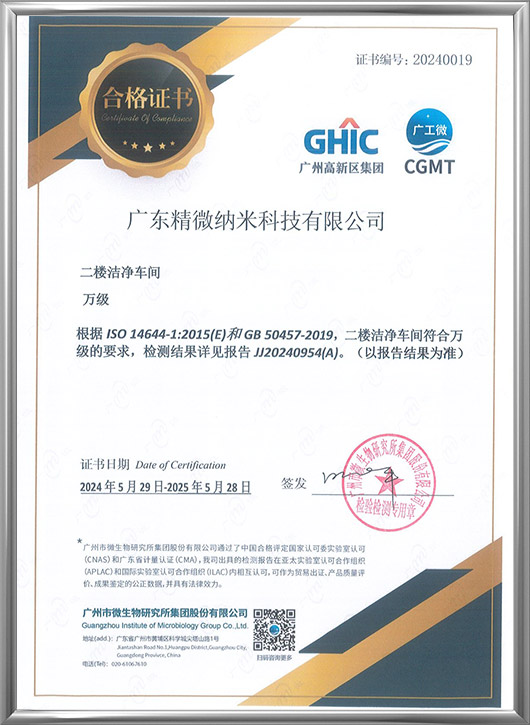
Class 10,000 cleanroom certification
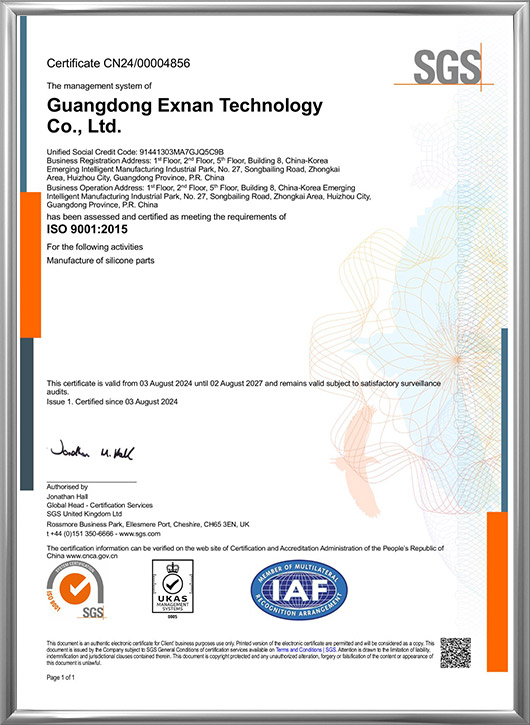
ISO 9001:2015
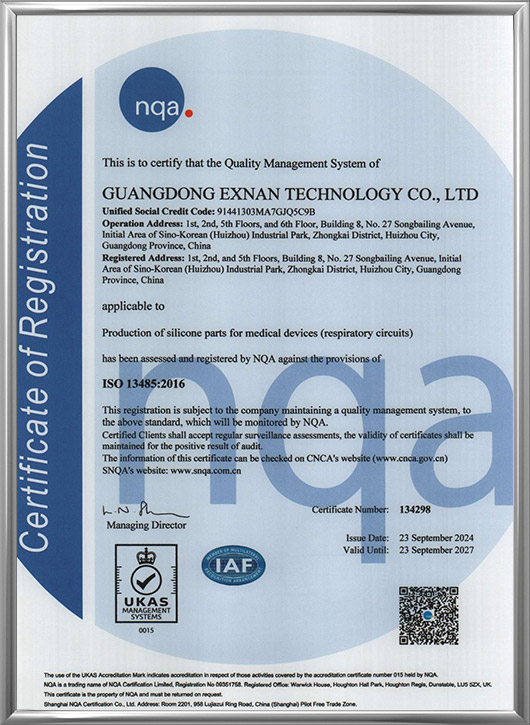
ISO 13485:2016
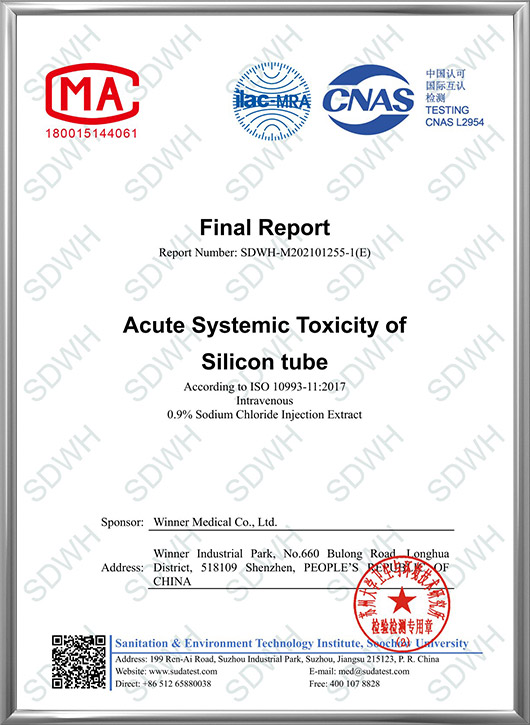
ISO 10993-11:2017 Tail vein injection
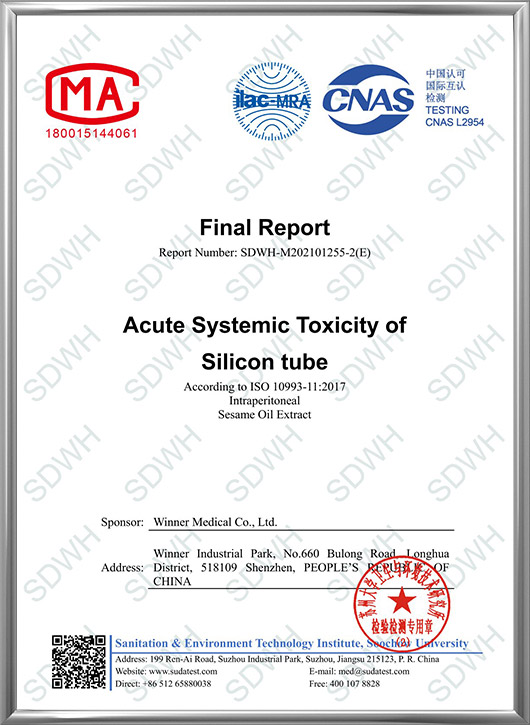
ISO 10993-11:2017 Intraperitoneal injection
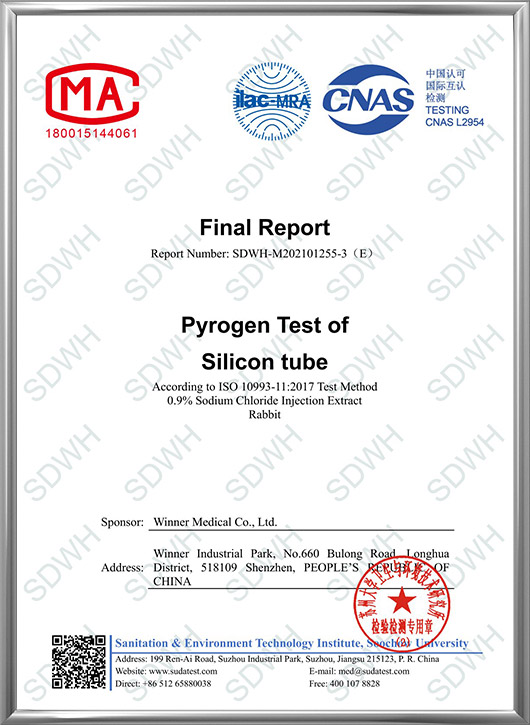
ISO 10993-11:2017 Pyrogens
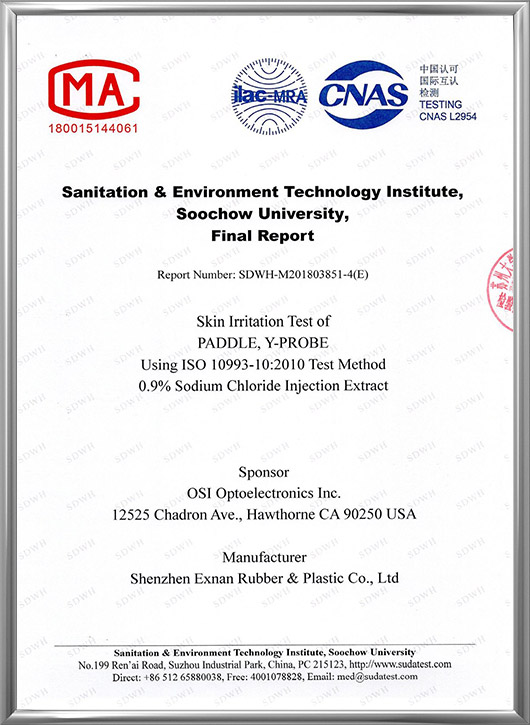
Skin irritation test for extract of 0.9% sodium chloride injection
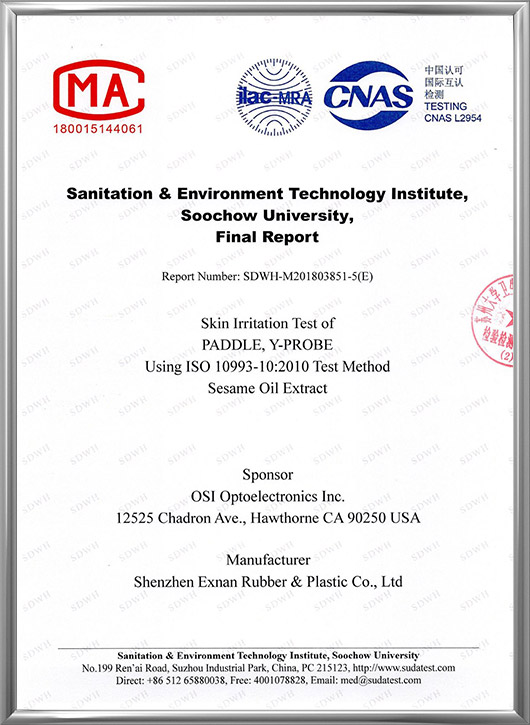
Skin irritation test for sesame oil extraction
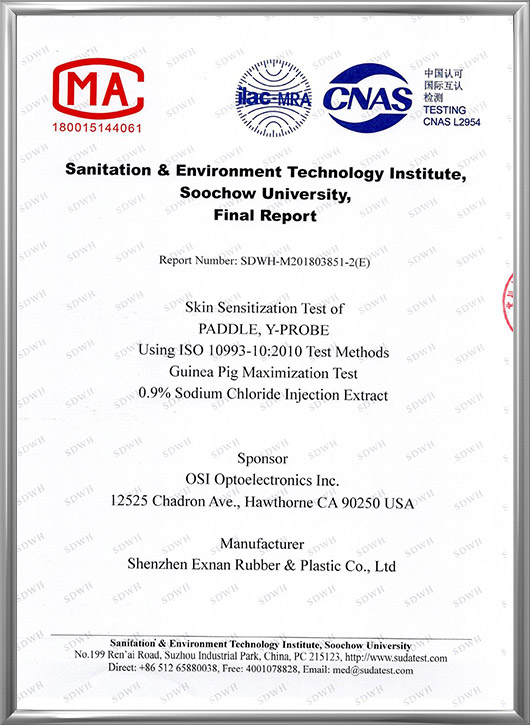
Skin sensitization test in guinea pigs using the maximization method with 0.9% sodium chloride injec
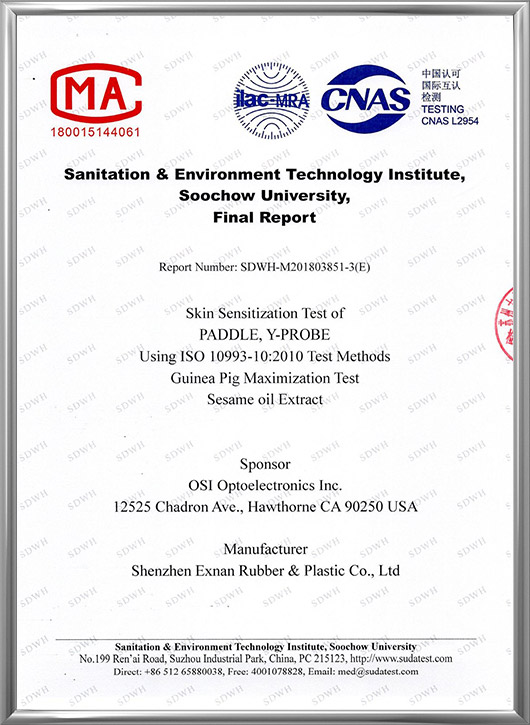
Skin sensitization test in guinea pigs:maximization method with sesame oil extraction
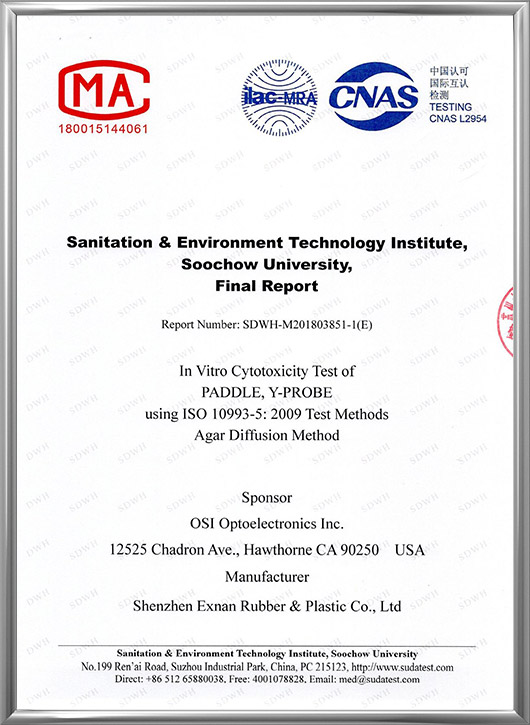
Cell toxicity test:agar diffusion method
Cooperating customers
Till now, Exnan products has been exports 35 countries, and more than 500 Medical equipment factory, health care companies, hospitals, clinics use our products, and win good reputation.




















New
Our silicone accessories meet international medical standards through strict quality control.
Ensure patient safety with our premium products. Explore our catalog today!
News
Our silicone accessories meet international medical standards through strict quality control.
Ensure patient safety with our premium products. Explore our catalog today!
Medical Silicone vs TPE: What Are the Differences?
Time: 2024-09-26 14:01:52
Author: Guangdong Exnan Technology Co.,Ltd
Click:
When you dive into the world of materials used in various industries—from healthcare to consumer electronics—you'll frequently come across silicone and TPE (Thermoplastic Elastomer).

Introduction
In the realm of modern materials, both silicone and thermoplastic elastomer (TPE) play pivotal roles. These materials have carved out essential niches in various industries, from medicine and baby products to automotive and consumer goods. But what truly sets them apart? We'll explore the fundamental differences between silicone and TPE, to help you make the best choice for your specific needs.
Material Overview
Silicone
Silicone is a synthetic polymer primarily composed of silicon, oxygen, carbon, and hydrogen. Known for its versatility, it comes in forms like Liquid Silicone Rubber (LSR) and High-Temperature Vulcanized (HTV) silicone. Its ability to maintain flexibility and resilience in extreme conditions makes it invaluable for numerous applications.
Thermoplastic Elastomer (TPE)
TPE combines the characteristics of rubber with the processing advantages of plastics. This class of polymers includes types like Thermoplastic Rubber (TPR) and Thermoplastic Polyurethane (TPU). TPEs are celebrated for their elasticity, wide range of hardness, and ease of processing, making them highly adaptable.
Physical and Chemical Properties Comparison
Temperature Resistance
Silicone shines with its high-temperature resistance, enduring temperatures from -55°C to 300°C (-67°F to 572°F). This makes it ideal for applications exposed to extreme heat. In contrast, TPE's temperature range is more limited, suitable for less extreme environmental conditions. For more on material properties, check out MatWeb.

Chemical Resistance
Silicone boasts superior chemical stability, which means it is less likely to degrade when exposed to aggressive chemicals. This makes it a preferred choice in environments where contact with various chemicals is inevitable. TPE, while flexible, is more chemically reactive, which can limit its use in certain circumstances.
Flexibility and Hardness
Silicone is renowned for its exceptional flexibility and compression strength, making it perfect for products like seals and gaskets. On the other hand, TPE offers excellent elasticity and stretchability, beneficial in applications requiring a combination of stretch and strength. For an in-depth look at these materials, refer to ScienceDirect.
Production Process Differences
Silicone Production Process
The production of silicone involves several meticulous steps:
1. Raw Material Preparation: Mixing silicone components with a catalyst.
2. Mold Design and Manufacturing: Custom molds are tailored to specific product needs.
3. Curing Process: Depending on the type, silicone is vulcanized at either low or high temperatures.
4. Post-Processing and Quality Control: Rigorous testing ensures products meet high-quality standards.
For more details on silicone production, Silicone Engineering offers comprehensive insights.

TPE Production Process
TPE production is somewhat different:
1. Raw Material Preparation: Melting and mixing TPE components.
2. Injection or Extrusion Molding: The molten TPE is shaped using injection or extrusion methods.
3. Cooling and Solidification: The formed articles are cooled to achieve their final shape.
4. Post-Processing and Quality Control: Ensuring the products adhere to stringent quality criteria.
Explore more about TPE processing at ResearchGate.
Processing and Production
Production Costs
Silicone often involves higher production costs due to the complex mold and curing processes. Meanwhile, TPE stands out for its cost-effectiveness and ease of processing, making it the economical choice for large-scale production.
Production Efficiency
While silicone's production cycle can be lengthy, particularly during curing, TPE excels with its rapid production rates, enabling high-volume manufacturing.

Lifespan and Recyclability
Lifespan
Silicone products are celebrated for their longevity, often lasting over ten years. In comparison, TPE products generally have a shorter lifespan of around 3-5 years, which can vary based on usage conditions.
Recyclability
Silicone is not easily recyclable, though it can be repurposed creatively. TPE, however, boasts excellent recyclability, which positions it as a more sustainable choice. For more on recycling, visit Recycling Resources.

Application Areas Comparison
Medical Industry
In the medical field, silicone reigns supreme. Its biocompatibility makes it ideal for catheters, medical inserts, and surgical instruments. TPE also finds its place in the medical sector, particularly in flexible applications like gloves and tubing.
Consumer Products
Silicone is ubiquitous in kitchenware and baby products, thanks to its safety and durability. Think of those heat-resistant baking mats and baby bottle nipples. TPE, conversely, shines in personal care items, phone cases, and flexible electronic accessories.
For top-notch medical-grade silicone components, consider exploring EXNAN's range of products. Known for their reliability and quality, EXNAN’s offerings meet the stringent demands of medical applications. Visit EXNAN for more information.
Summary and Recommendations
Silicone and TPE each have their unique strengths and applications. For high-stress, temperature-intensive environments or direct human contact, silicone is often the better choice. TPE, with its flexibility, ease of processing, and recyclability, excels in a diverse array of applications from automotive parts to consumer electronics. It’s crucial to evaluate your specific needs to choose the most appropriate material.

Conclusion
Understanding the differences between silicone and TPE ensures you select the right material for your application, balancing safety, functionality, and cost. As material science advances, we can expect even more innovative solutions to emerge, broadening the horizons for both of these remarkable materials.
By evaluating the properties and production processes of silicone and TPE, you can make informed decisions that enhance product performance and longevity, contributing to sustainable practices and improved usability.
Remember, when it comes to medical-grade silicone products, EXNAN stands out as a trusted provider, offering reliable and high-quality components tailored to meet the most stringent standards. For more details, visit EXNAN Medical Silicone.

点击右上角
分享给朋友吧







 Long by picture save/share
1
Prev : Top 10 Medical Grade Silicone Manufacturers and Suppliers in China
Next : The Benefits of Medical Silicone Device Parts: Why They Matter in Healthcare
文章推荐
Silicone Parts Fail After Sterilization: 5 Proven Fixes
Medical Silicone vs. TPE/TPU: Why Is Silicone Still the Preferred Material for Medical Consumables?
Medical Silicone Mold Design: The First Gateway to Product Precision
New Requirements of ISO13485:2016 for Medical Silicone Suppliers
Medical Silicone Consumables Market Sees New Growth: Respiratory Equipment Drives Demand for Precision Components
Related news recommendations —
Related Products —




News Products —
INQUIRY


Add Successfully

Hey there, I’m Steve!
15+ years in medical silicone accessories, linking manufacturers and healthcare providers for compliant, high-quality products. Trusted advisor focused on innovation and patient care. If you are looking for custom-made silicone rubber products, feel free to ask me any questions.
Hey there, I’m Steve!
15+ years in medical silicone accessories, linking manufacturers and healthcare providers for compliant, high-quality products. Trusted advisor focused on innovation and patient care. If you are looking for custom-made silicone rubber products, feel free to ask me any questions.
Welcome to contact us
If you have any questions, please fill in the relevant information. Weare very willing to provide more information and a full range ofservices for both you and your company
Welcome to contact us
If you have any questions, please fill in the relevant information. Weare very willing to provide more information and a full range ofservices for both you and your company
EXNAN
点击右上角
分享给朋友吧
Copyright © 2004-2024 Guangdong Exnan Technology Co.,Ltd
点击右上角
分享给朋友吧
Copyright © 2004-2024 Guangdong Exnan Technology Co.,Ltd

 +86-0752-3869959 / 3869960
 +86 180 0752 8206
 Building 8, China-Korea Emerging Intelligent Manufacturing Industrial Park, No.27, Songbailing Road, China-Korea (Huizhou) Industrial Park, Zhongkai Area, Huizhou City, Guangdong Province, China

WeChat scan
