

Contact Us
lf you have any queries, get in touch today! Don't hesitate, We try to take the extra step forour customer satisfaction.

Hey there, I’m Steve!
I’m the sales manager of exnan medical silicone. I have been in this field for more than ten years. If you are looking for custom-made silicone rubber products, feel free to ask me any questions.
"
Our certificate
Possess 800 square meters of Class 10,000 dust-free workshop, Passed ISO9001:2015 quality management system certification and ISO13485:2016 medical device quality management system, and its products have obtained multiple biocompatibility tests, US FDA and EU LFGB certifications.
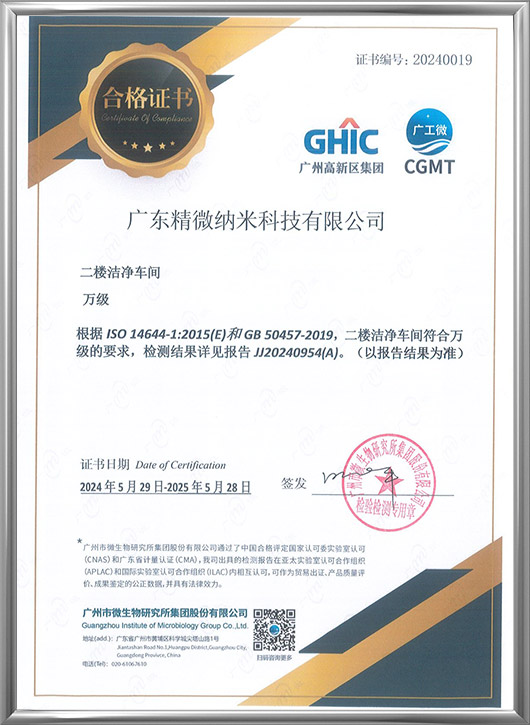
Class 10,000 cleanroom certification
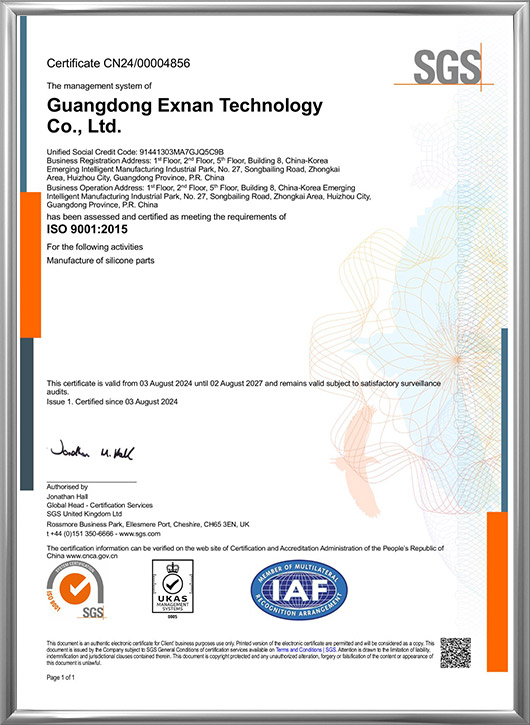
ISO 9001:2015
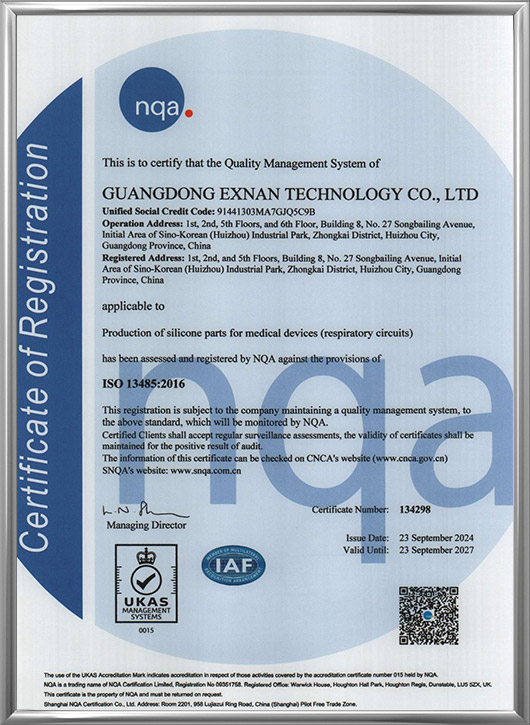
ISO 13485:2016
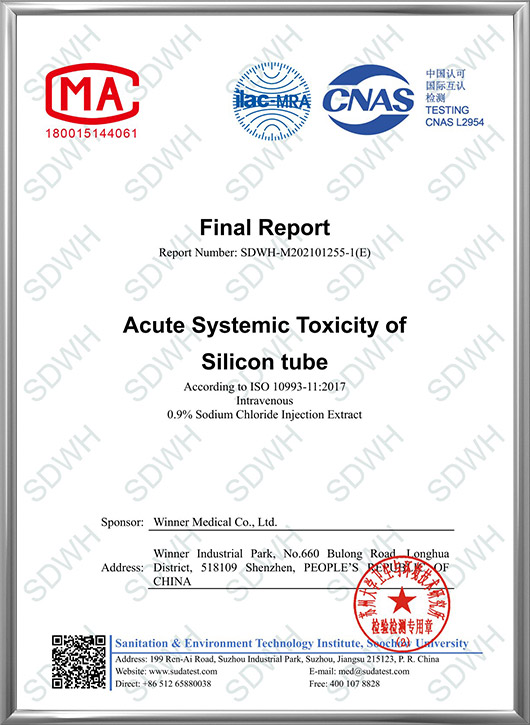
ISO 10993-11:2017 Tail vein injection
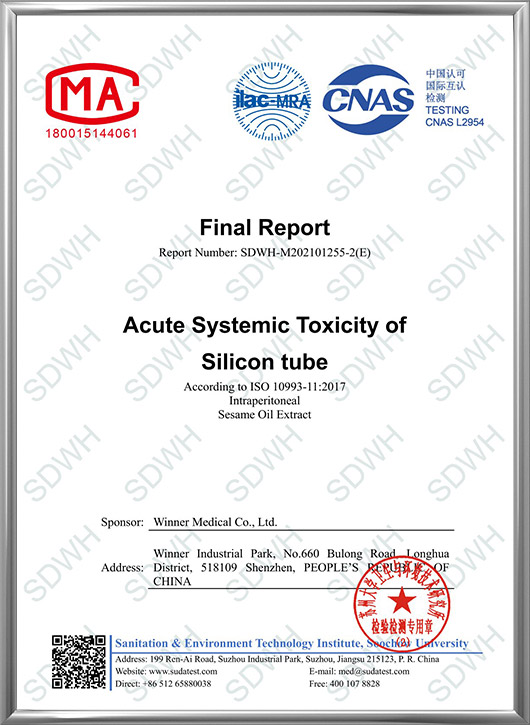
ISO 10993-11:2017 Intraperitoneal injection
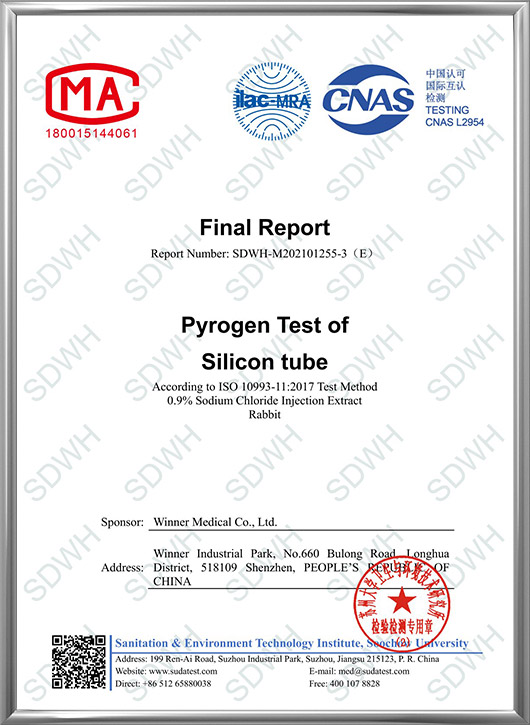
ISO 10993-11:2017 Pyrogens
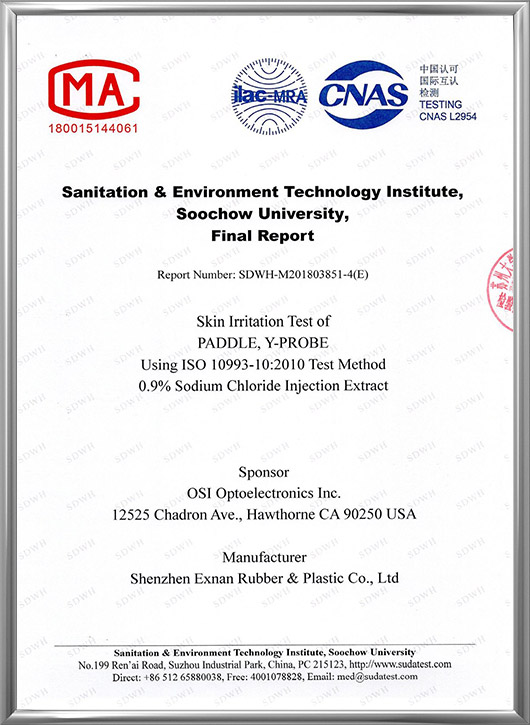
Skin irritation test for extract of 0.9% sodium chloride injection
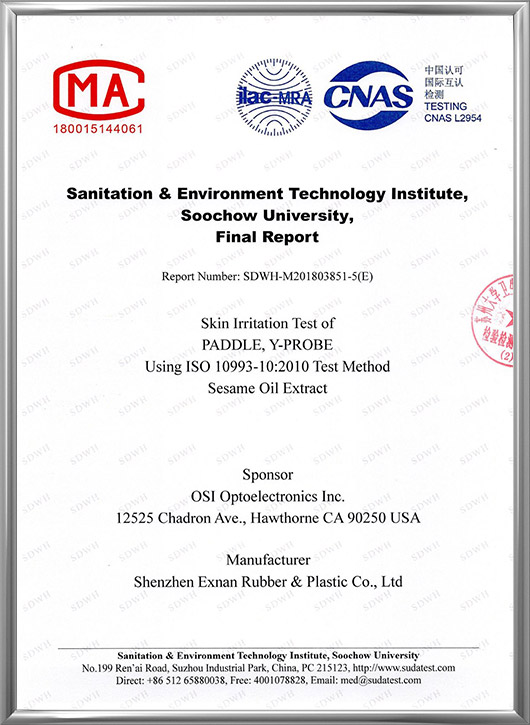
Skin irritation test for sesame oil extraction
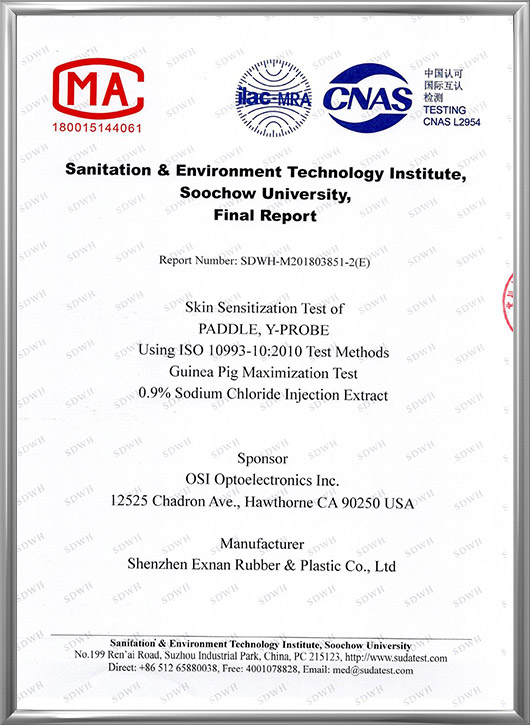
Skin sensitization test in guinea pigs using the maximization method with 0.9% sodium chloride injec
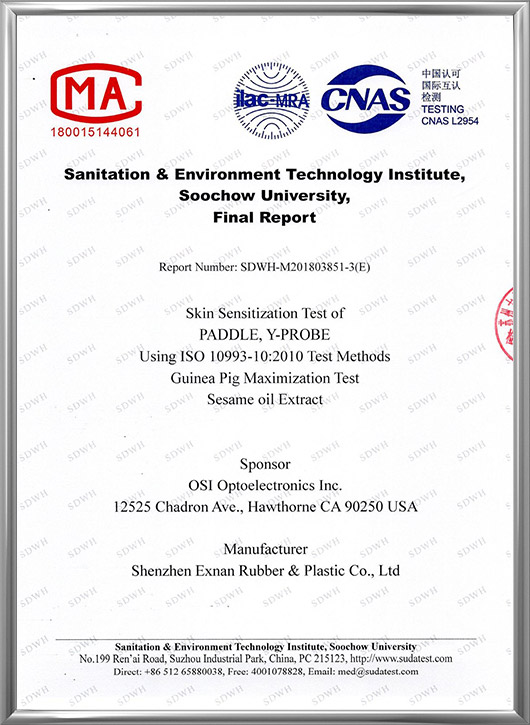
Skin sensitization test in guinea pigs:maximization method with sesame oil extraction
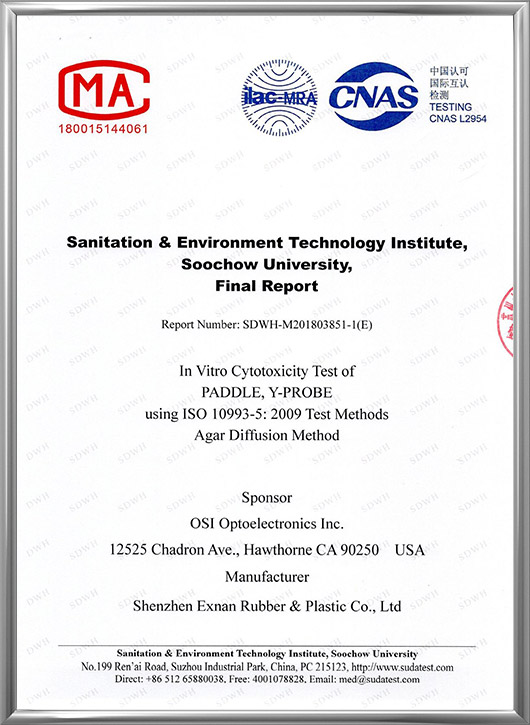
Cell toxicity test:agar diffusion method
Cooperating customers
Till now, Exnan products has been exports 35 countries, and more than 500 Medical equipment factory, health care companies, hospitals, clinics use our products, and win good reputation.



















New
Our silicone accessories meet international medical standards through strict quality control.
Ensure patient safety with our premium products. Explore our catalog today!
News
Our silicone accessories meet international medical standards through strict quality control.
Ensure patient safety with our premium products. Explore our catalog today!
Is Medical Silicone Safe? Understanding Its Applications and Safety Standards
Time: 2024-10-24 10:03:11
Author: Guangdong Exnan Technology Co.,Ltd
Click:
Medical silicone is a versatile material widely used in healthcare due to its stability, flexibility, and compatibility with the human body. From life-saving devices like heart valves and catheters to everyday medical supplies such as wound dressings and prosthetics, medical silicone plays an essential role in modern medicine. Its ability to withstand extreme temperatures and remain inert within the body makes it an ideal choice for various applications.

Introduction
Medical silicone is a versatile material widely used in healthcare due to its stability, flexibility, and compatibility with the human body. From life-saving devices like heart valves and catheters to everyday medical supplies such as wound dressings and prosthetics, medical silicone plays an essential role in modern medicine. Its ability to withstand extreme temperatures and remain inert within the body makes it an ideal choice for various applications.
Given its extensive use in devices that often have close and prolonged contact with human tissue, evaluating the safety of medical silicone is of paramount importance. Ensuring that medical-grade silicone meets stringent safety standards is critical not only for patient safety but also for maintaining trust in medical advancements. Understanding these safety standards helps healthcare professionals and patients make informed decisions about the products they use and rely on.
What is Medical Silicone?
Medical silicone is a specialized form of silicone designed for use in medical applications. It is a high-purity polymer made primarily of silicon, oxygen, hydrogen, and carbon. This composition gives it a remarkable combination of flexibility, durability, and resistance to degradation, making it suitable for various medical environments and uses.
The distinction between medical-grade silicone and other types of silicone materials lies in the rigorous manufacturing and testing processes it undergoes. Medical-grade silicone is specifically formulated and processed to meet the stringent requirements of the healthcare industry. It is subjected to comprehensive biocompatibility testing to ensure it can safely interact with human tissue without causing adverse reactions. In contrast, other types of silicone may not meet such thorough standards and are typically used in consumer products where the same level of safety is not required.

Applications of Medical Silicone
Medical silicone is integral to various applications across the healthcare sector, thanks to its versatility and biocompatibility.
Medical Devices
- Implants: Medical silicone is commonly used in implants, including breast implants and joint replacement components. Its inert nature minimizes the risk of rejection and adverse reactions, making it ideal for long-term use in the body.
- Catheters and Tubing: Silicone catheters and tubing are widely utilized due to their flexibility, non-reactivity, and ability to maintain structural integrity over time. These properties are crucial for devices that require frequent handling or repositioning.
Pharmaceutical and Biotechnology Industries
- In these industries, medical silicone is often used in the fabrication of components for drug delivery systems and bioprocessing equipment. Its chemical stability ensures that it does not interact with pharmaceuticals, preserving the integrity and efficacy of medications.
- Silicone is also used in the production of vials, seals, and stoppers, providing a contaminant-free environment for sensitive biotechnological processes.
Prosthetics and Orthotics
- Prosthetics: Medical silicone is used to create comfortable and durable prosthetic liners, which cushion and protect the skin for amputees. Its flexibility allows for a better fit and improved mobility.
- Orthotics: In orthotic devices, silicone provides support and cushioning, improving patient comfort and compliance. Its adaptability enables customized solutions for diverse orthopedic needs.
Medical silicone’s unique properties make it an essential material in advancing healthcare technologies, enhancing patient outcomes across various applications.

Safety Standards and Regulations
The safety and efficacy of medical silicone are paramount, and several regulatory bodies globally oversee its use to ensure patient safety. These organizations establish rigorous standards and guidelines that manufacturers must follow to classify silicone as medical-grade.
Regulatory Bodies
- FDA (U.S. Food and Drug Administration): In the United States, the FDA regulates medical devices, including those made with medical silicone. The FDA requires manufacturers to adhere to stringent quality and safety standards through its approval processes, such as the 510(k) or PMA (Premarket Approval), depending on the device's risk classification.
- EU Regulations: In the European Union, medical devices are regulated under the MDR (Medical Device Regulation), which replaced the former MDD (Medical Device Directive). This regulation ensures a high level of safety and performance. Products must be CE marked to indicate compliance with EU safety standards.
Testing and Certification Process
To achieve medical-grade certification, silicone products must undergo extensive testing and evaluation, including:
- Biocompatibility Testing: Products must be tested for their interaction with human tissues to ensure non-toxicity and the absence of byproducts that could cause adverse reactions.
- Chemical and Physical Testing This includes assessing the material's stability, durability, and resistance to environmental factors such as temperature and pressure.
- Sterility Assurance: Ensuring that the material can be effectively sterilized without compromising its integrity is crucial for many medical applications.
Criteria for Medical-Grade Classification
Medical-grade silicone is classified based on fulfilling specific criteria, which include:
- Purity: High-purity formulations to avoid reactions with body tissues.
- Biocompatibility: Proven through rigorous testing according to international standards, such as ISO 10993.
- Performance Standards: Meeting durability, flexibility, and functional requirements specific to medical applications.
Adherence to these regulatory standards and testing procedures is essential for ensuring the safety and effectiveness of medical silicone products used in healthcare settings.
Benefits of Medical Silicone
Medical silicone is a preferred material in the healthcare sector due to its numerous advantageous properties, which include:
Biocompatibility and Non-Toxicity
- Biocompatibility: Medical silicone is highly biocompatible, meaning it can coexist with human tissues without causing adverse reactions. This makes it suitable for long-term implants and devices that come in direct contact with skin or mucous membranes.
- Non-Toxicity: The material is chemically inert, which prevents it from interacting negatively with body fluids or tissues. This non-reactive nature ensures patient safety during prolonged use.

Durability and Flexibility
- Durability: Silicone is resistant to environmental factors such as temperature extremes, moisture, and UV light, which helps maintain its integrity over extended periods. This durability is crucial for medical devices that require long-term stability and reliability.
- Flexibility: Medical silicone is highly flexible, allowing it to adapt to various shapes and movements. This property is particularly beneficial for applications like catheters and tubing, where flexibility is essential for patient comfort and device functionality.
Hypoallergenic Properties
- Hypoallergenic: Medical silicone is less likely to cause allergic reactions compared to other materials. Its hypoallergenic nature is beneficial for patients with sensitive skin or allergies, providing a safer option for a wide range of medical applications.
These benefits make medical silicone an essential material in developing advanced medical devices and improving patient outcomes across numerous healthcare settings.
Potential Risks and Considerations
While medical silicone is widely used due to its safety and effectiveness, it's important to be aware of potential risks and considerations:
Known Risks or Side Effects
- Inflammatory Reactions: In rare cases, individuals may experience inflammatory reactions to silicone-based implants or devices. This could manifest as redness, swelling, or discomfort at the site of placement.
- Silicone Leakage or Rupture: Implants, particularly those with silicone shells, like breast implants, carry a risk of leakage or rupture over time. This can lead to silicone migration within the body, potentially requiring medical intervention.
- Allergic Reactions: Although uncommon, some individuals may have allergic reactions to silicone materials. It's essential to monitor for signs of itching, rash, or irritation.
Importance of Choosing Certified and Tested Products
- Regulatory Compliance: Ensuring that silicone products meet regulatory standards set by bodies like the FDA or EU is crucial. Certified products undergo rigorous testing to verify their safety and efficacy.
- Quality Assurance: Choosing products from reputable manufacturers that provide documentation of testing and certification helps minimize risks associated with inferior quality materials.
- Post-Market Surveillance: It's important that manufacturers engage in ongoing monitoring and reporting of product performance and any adverse events to further ensure safety.
By selecting certified and thoroughly tested medical silicone products, healthcare providers and patients can mitigate risks and enhance the safety and effectiveness of medical treatments and devices.

Conclusion
Medical silicone is a cornerstone material in the healthcare industry, known for its exceptional safety and reliability. Its biocompatibility, non-toxicity, durability, flexibility, and hypoallergenic properties make it ideal for a wide range of medical applications, including implants, prosthetics, and medical devices. These attributes ensure that medical silicone can perform reliably over extended periods, providing both clinical and patient benefits.
When it comes to selecting medical silicone products, it's crucial to prioritize quality and certification. Ensuring that products meet regulatory standards and are tested rigorously for safety and effectiveness can significantly reduce potential risks. Choosing products from reputable manufacturers who offer transparency about their testing and certification processes is vital for healthcare providers and patients alike.
In summary, medical silicone's proven safety and versatility underscore its integral role in modern medicine. By conscientiously selecting high-quality, certified products, stakeholders can maximize the material's advantages while minimizing any associated risks, ultimately safeguarding patient health and enhancing medical outcomes.

点击右上角
分享给朋友吧







 Long by picture save/share
0
文章推荐
Silicone Parts Fail After Sterilization: 5 Proven Fixes
Medical Silicone vs. TPE/TPU: Why Is Silicone Still the Preferred Material for Medical Consumables?
Medical Silicone Mold Design: The First Gateway to Product Precision
New Requirements of ISO13485:2016 for Medical Silicone Suppliers
Medical Silicone Consumables Market Sees New Growth: Respiratory Equipment Drives Demand for Precision Components
Related news recommendations —
Related Products —




News Products —
INQUIRY


Add Successfully

Hey there, I’m Steve!
15+ years in medical silicone accessories, linking manufacturers and healthcare providers for compliant, high-quality products. Trusted advisor focused on innovation and patient care. If you are looking for custom-made silicone rubber products, feel free to ask me any questions.
Hey there, I’m Steve!
15+ years in medical silicone accessories, linking manufacturers and healthcare providers for compliant, high-quality products. Trusted advisor focused on innovation and patient care. If you are looking for custom-made silicone rubber products, feel free to ask me any questions.
Welcome to contact us
If you have any questions, please fill in the relevant information. Weare very willing to provide more information and a full range ofservices for both you and your company
Welcome to contact us
If you have any questions, please fill in the relevant information. Weare very willing to provide more information and a full range ofservices for both you and your company
EXNAN
点击右上角
分享给朋友吧
Copyright © 2004-2024 Guangdong Exnan Technology Co.,Ltd
点击右上角
分享给朋友吧
Copyright © 2004-2024 Guangdong Exnan Technology Co.,Ltd

 +86-0752-3869959 / 3869960
 +86 180 0752 8206
 Building 8, China-Korea Emerging Intelligent Manufacturing Industrial Park, No.27, Songbailing Road, China-Korea (Huizhou) Industrial Park, Zhongkai Area, Huizhou City, Guangdong Province, China

WeChat scan
