

Contact Us
lf you have any queries, get in touch today! Don't hesitate, We try to take the extra step forour customer satisfaction.

Hey there, I’m Steve!
I’m the sales manager of exnan medical silicone. I have been in this field for more than ten years. If you are looking for custom-made silicone rubber products, feel free to ask me any questions.
"
Our certificate
Possess 800 square meters of Class 10,000 dust-free workshop, Passed ISO9001:2015 quality management system certification and ISO13485:2016 medical device quality management system, and its products have obtained multiple biocompatibility tests, US FDA and EU LFGB certifications.
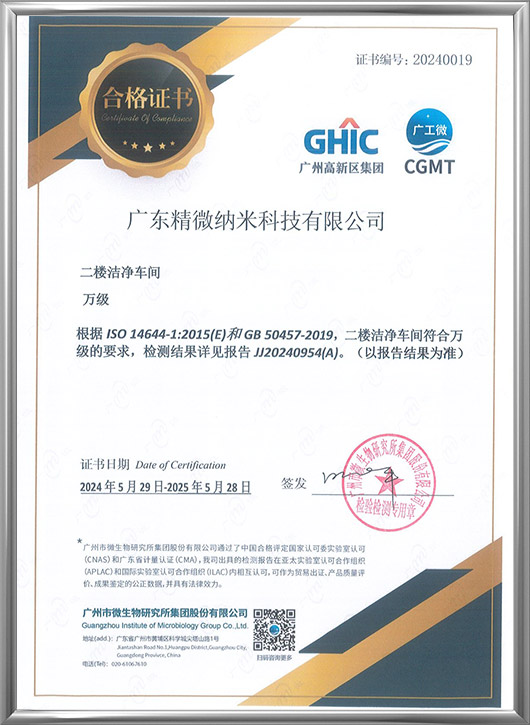
Class 10,000 cleanroom certification
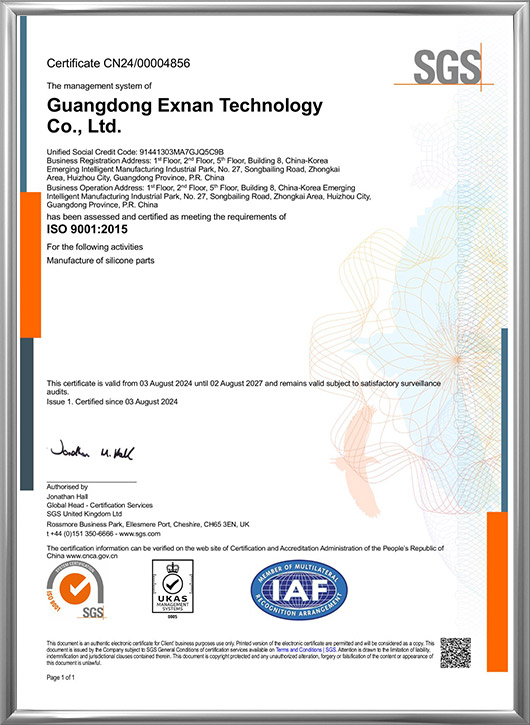
ISO 9001:2015
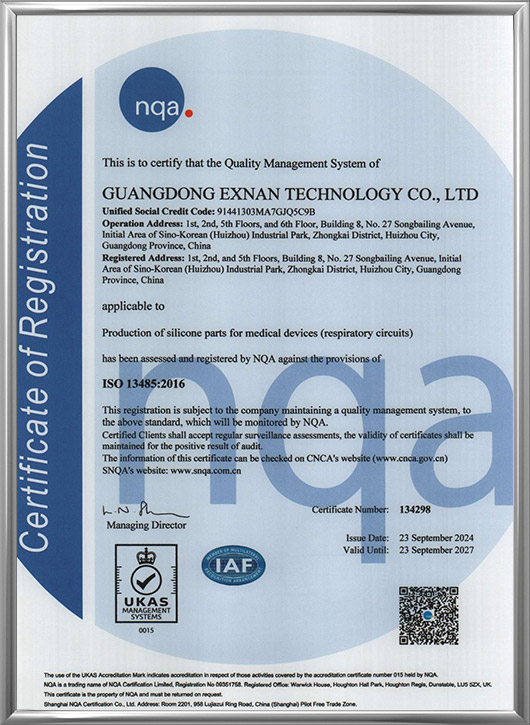
ISO 13485:2016
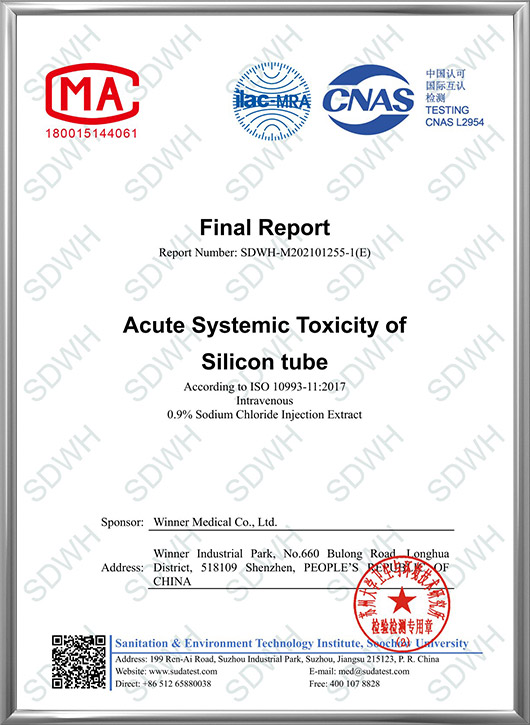
ISO 10993-11:2017 Tail vein injection
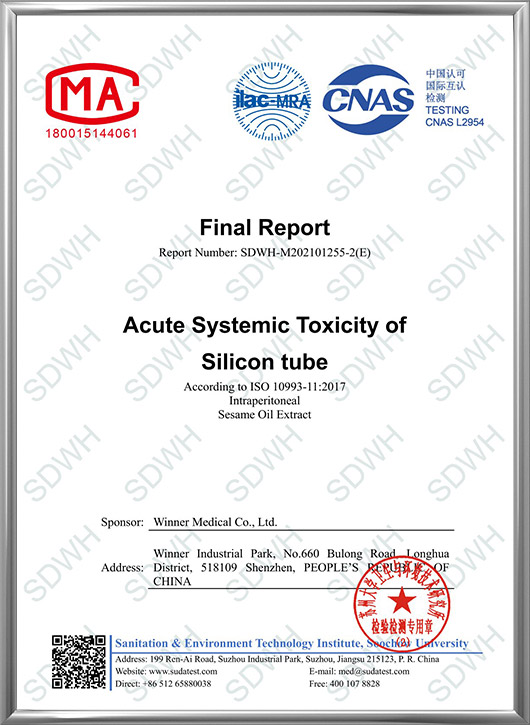
ISO 10993-11:2017 Intraperitoneal injection
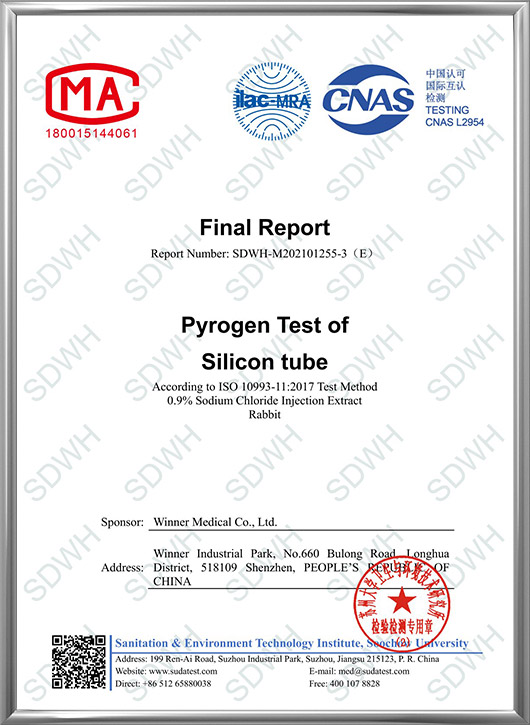
ISO 10993-11:2017 Pyrogens
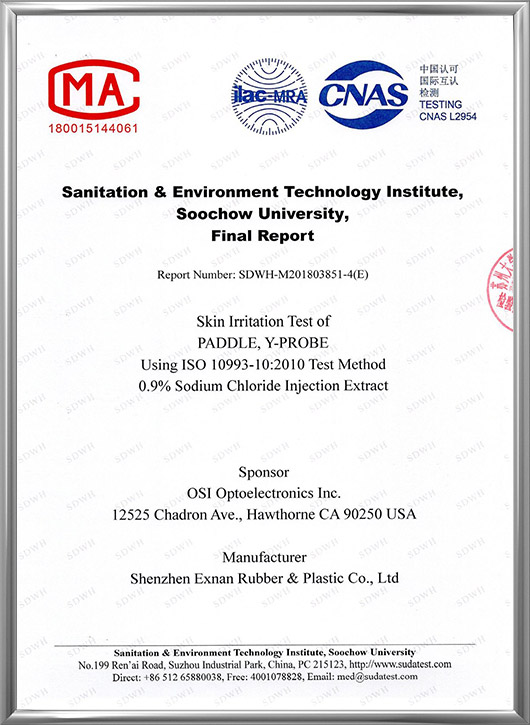
Skin irritation test for extract of 0.9% sodium chloride injection
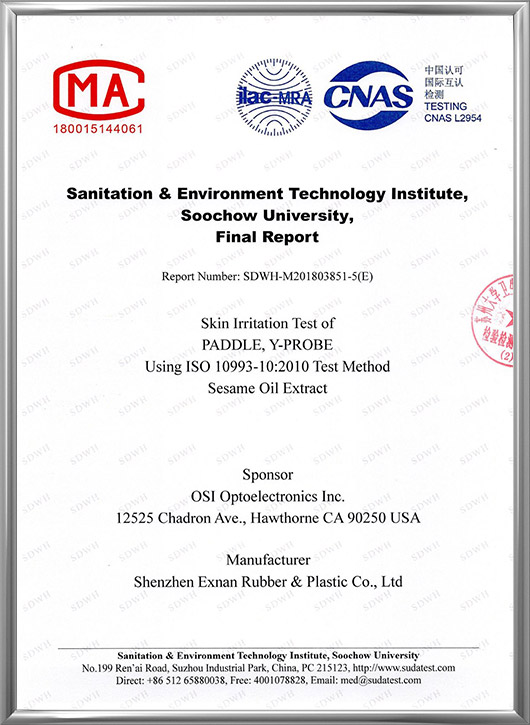
Skin irritation test for sesame oil extraction
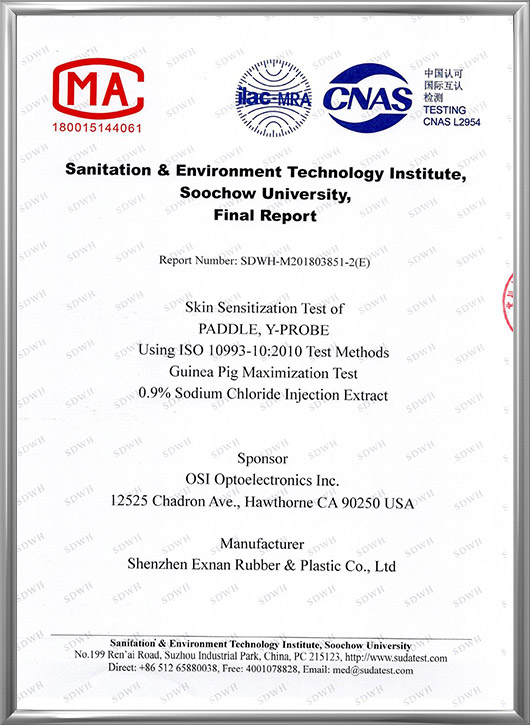
Skin sensitization test in guinea pigs using the maximization method with 0.9% sodium chloride injec
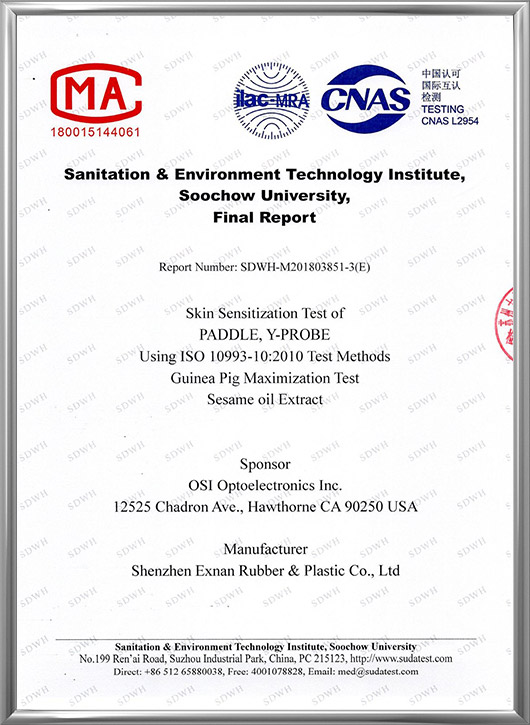
Skin sensitization test in guinea pigs:maximization method with sesame oil extraction
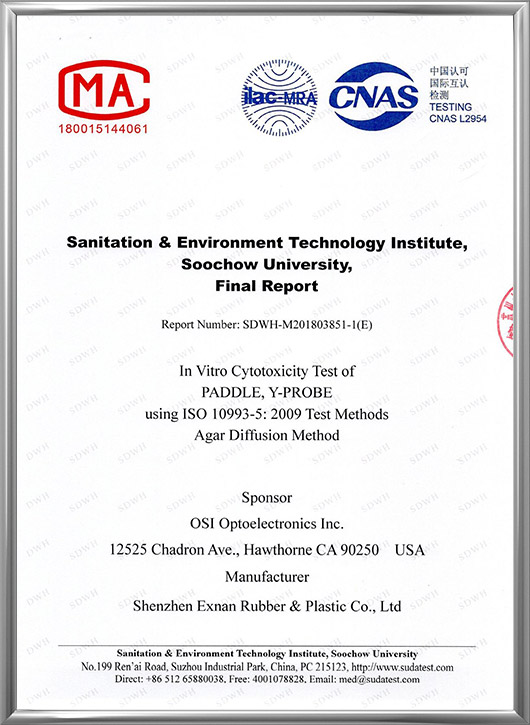
Cell toxicity test:agar diffusion method
Cooperating customers
Till now, Exnan products has been exports 35 countries, and more than 500 Medical equipment factory, health care companies, hospitals, clinics use our products, and win good reputation.




















New
Our silicone accessories meet international medical standards through strict quality control.
Ensure patient safety with our premium products. Explore our catalog today!
News
Our silicone accessories meet international medical standards through strict quality control.
Ensure patient safety with our premium products. Explore our catalog today!
Applications of 3D Printing in Manufacturing Medical Silicone Parts
Time: 2025-02-25 00:00:00
Author: Guangdong Exnan Technology Co.,Ltd
Click:
Hey! If you’re in the medical device industry, you’ve probably heard about 3D printing. Did you know it’s changing how we make silicone parts? Let’s talk about why this technology is important for medical applications. I’ll also share how EXNAN is leading in this area. Ready? Let’s start!

Hey! If you’re in the medical device industry, you’ve probably heard about 3D printing. Did you know it’s changing how we make silicone parts? Let’s talk about why this technology is important for medical applications. I’ll also share how EXNAN is leading in this area. Ready? Let’s start!
I. Introduction
- A. Overview of 3D Printing Technology
3D printing isn’t just for plastic toys. It’s now used to make complex, precise parts, especially in the medical field.
- B. Importance of Silicone in Medical Applications
Silicone is a great material for healthcare. It’s safe for the body, flexible, and durable. It’s used in implants and wearable devices.
- C. Purpose of the Article
Today, we’ll look at how 3D printing is changing the way medical silicone parts are made and why it matters to you.

II. Properties of Silicone in Medical Applications
- A. Biocompatibility
Silicone is safe for the human body. It’s used in implants and devices that touch tissues.
- B. Flexibility and Durability
It can handle repeated stress and movement. This is important for prosthetics and wearables.
- C. Resistance to High Temperatures and Chemicals
Silicone doesn’t break down in extreme conditions. It stays reliable over time.
- D. Sterilization Compatibility
It can be sterilized without falling apart. This is key for surgical tools and implants.

III. Advantages of 3D Printing in Medical Silicone Part Manufacturing
- A. Customization and Personalization
Need a custom implant? 3D printing can do it.
- B. Rapid Prototyping and Iterative Design
You can test and improve designs quickly.
- C. Complex Geometries and Intricate Designs
It can make parts that traditional methods can’t.
- D. Reduced Waste and Cost Efficiency
It uses less material and saves money in the long run.

IV. Key Applications of 3D Printed Medical Silicone Parts
- A. Prosthetics and Orthotics
1. Custom-Fit Prosthetic Limbs: Made to fit the patient’s body for better comfort and function.
2. Orthopedic Supports and Braces: Lightweight and perfectly fitted.
- B. Surgical Tools and Implants
1. Patient-Specific Surgical Guides: Help with accuracy in complex surgeries.
2. Soft Tissue Implants: Act like natural tissue for better integration.
- C. Wearable Medical Devices
1. Skin-Adhesive Sensors: Monitor health without irritating the skin.
2. Drug Delivery Patches: Release medicine in a controlled way.
- D. Anatomical Models for Training and Planning
1. Surgical Simulation Models: Let surgeons practice on realistic models.
2. Patient-Specific Anatomical Replicas: Help plan surgeries with precision.

V. Challenges and Limitations
- A. Material Limitations
Silicone is versatile, but options for colors and properties are still growing.
- B. Size Constraints
Bigger parts are harder to print with current technology.
- C. Regulatory and Quality Assurance Considerations
Meeting medical standards is important but not always easy.
- D. High Initial Costs and Technical Expertise
Starting out requires investment in equipment and training.
VI. Future Trends and Innovations
- A. Development of Advanced Silicone Materials
New types of silicone are expanding what’s possible.
- B. Integration of AI and Machine Learning
AI can help optimize designs and predict outcomes.
- C. Expansion of Point-of-Care Manufacturing
Parts can be printed where they’re needed, like in hospitals.
- D. Sustainability and Recycling
New methods are making 3D printing more eco-friendly.
VII. Case Studies
- A. Successful Implementation in Prosthetics
A prosthetics company cut production time by 40% using 3D printing.
- B. Use in Surgical Planning and Training
Surgeons at a top hospital improved success rates with 3D-printed models.
- C. Adoption in Wearable Medical Devices
A startup made a breakthrough skin-adhesive sensor with 3D-printed silicone.
Why EXNAN?
At EXNAN, we’re not just following trends—we’re setting them. Our 3D printing technology and high-quality silicone materials are trusted by top medical device makers. Let us help you with your next project.
Get in touch with us now and see how EXNAN can improve your medical silicone parts.
References:
1. 3D Printing in Healthcare: A Comprehensive Guide
2. The Future of Medical Silicone: Innovations and Applications
3. EXNAN’s 3D Printing Solutions

点击右上角
分享给朋友吧







 Long by picture save/share
0
Prev : Medical Silicone Parts: Trends in Eco-Friendly and Sustainable Material Choices
Next : How AI & Automation Are Reshaping Medical Silicone Parts Manufacturing
文章推荐
Silicone Parts Fail After Sterilization: 5 Proven Fixes
Medical Silicone vs. TPE/TPU: Why Is Silicone Still the Preferred Material for Medical Consumables?
Medical Silicone Mold Design: The First Gateway to Product Precision
New Requirements of ISO13485:2016 for Medical Silicone Suppliers
Medical Silicone Consumables Market Sees New Growth: Respiratory Equipment Drives Demand for Precision Components
Related news recommendations —
Related Products —




News Products —
INQUIRY


Add Successfully

Hey there, I’m Steve!
15+ years in medical silicone accessories, linking manufacturers and healthcare providers for compliant, high-quality products. Trusted advisor focused on innovation and patient care. If you are looking for custom-made silicone rubber products, feel free to ask me any questions.
Hey there, I’m Steve!
15+ years in medical silicone accessories, linking manufacturers and healthcare providers for compliant, high-quality products. Trusted advisor focused on innovation and patient care. If you are looking for custom-made silicone rubber products, feel free to ask me any questions.
Welcome to contact us
If you have any questions, please fill in the relevant information. Weare very willing to provide more information and a full range ofservices for both you and your company
Welcome to contact us
If you have any questions, please fill in the relevant information. Weare very willing to provide more information and a full range ofservices for both you and your company
EXNAN
点击右上角
分享给朋友吧
Copyright © 2004-2024 Guangdong Exnan Technology Co.,Ltd
点击右上角
分享给朋友吧
Copyright © 2004-2024 Guangdong Exnan Technology Co.,Ltd

 +86-0752-3869959 / 3869960
 +86 180 0752 8206
 Building 8, China-Korea Emerging Intelligent Manufacturing Industrial Park, No.27, Songbailing Road, China-Korea (Huizhou) Industrial Park, Zhongkai Area, Huizhou City, Guangdong Province, China

WeChat scan
